![Best ReactJS Companies in Poland for Scale-Ups [2026 Review]](https://todaynews.co.uk/wp-content/uploads/2026/04/Man-Data-Coding-360x180.jpg)






















![5 Best CFD Brokers for Beginners [UK, 2026]](https://todaynews.co.uk/wp-content/uploads/2026/03/Invest-360x180.jpg)




























Your skin is your body’s largest organ. It protects you, regulates temperature, supports your immune system and reflects your overall health. Yet many people are unsure what a dermatologist actually does, or when they should consider seeing one.
A dermatologist is a medically qualified doctor who specialises in diagnosing and treating conditions affecting the skin, hair and nails. Unlike general skincare practitioners, dermatologists complete years of additional hospital-based training in medical dermatology, skin surgery and skin disease management. Their role goes far beyond cosmetic concerns. They are trained to recognise early signs of skin cancer, manage complex inflammatory conditions and treat chronic skin disorders that can significantly affect quality of life.


Understanding what a dermatologist does can help people make informed decisions about their skin health and know when specialist advice is appropriate.
Diagnosing And Managing Skin Conditions
One of the core responsibilities of a dermatologist is diagnosing skin disease. This might include common conditions such as acne, eczema and psoriasis, but also less common or more complex disorders.
Many skin conditions can look similar to the untrained eye. For example, a persistent rash could be eczema, contact dermatitis, fungal infection, rosacea or an autoimmune condition. Accurate diagnosis is essential because treatment approaches differ significantly. A dermatologist is trained to assess subtle differences in appearance, distribution and medical history in order to reach a clear diagnosis.
They may prescribe prescription-only topical treatments, oral medications, biologic therapies or recommend further investigation where needed. In some cases, they will arrange blood tests, swabs or biopsies to confirm a diagnosis.
Detecting And Treating Skin Cancer
Dermatologists play a vital role in the early detection of skin cancer. In the UK, rates of melanoma and non-melanoma skin cancers have increased over recent decades. Early identification dramatically improves outcomes.
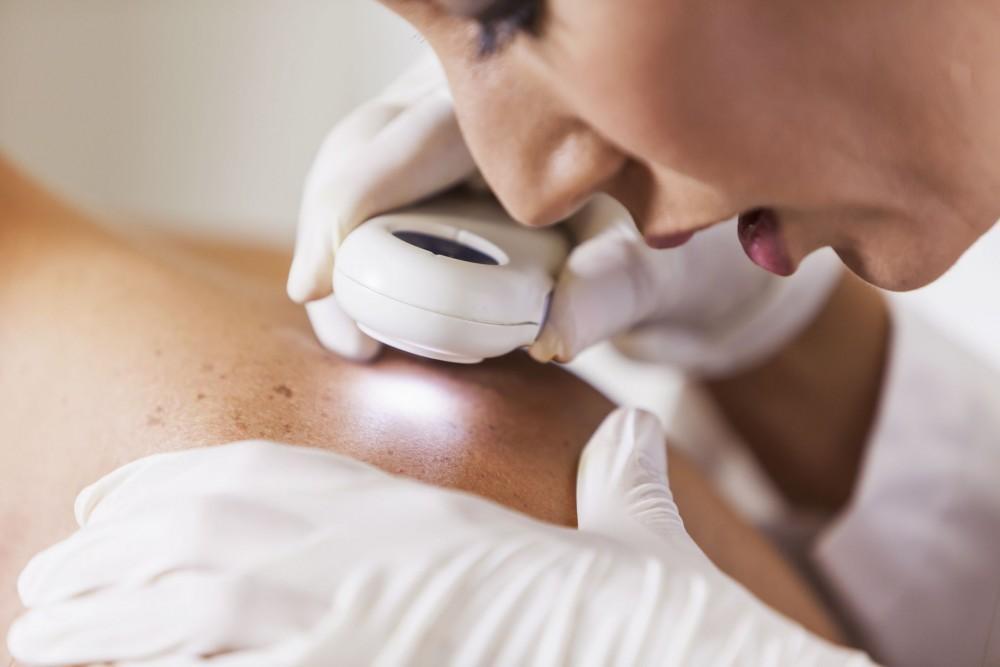
During a skin assessment, a dermatologist examines moles and pigmented lesions using clinical expertise and, where appropriate, dermoscopy. Dermoscopy is a specialised magnification tool that allows detailed evaluation of structures beneath the skin’s surface.
If a lesion appears suspicious, a dermatologist may recommend biopsy or surgical removal. They are trained in performing minor skin surgery under local anaesthetic and managing the aftercare. For confirmed cancers, they coordinate treatment and follow-up, ensuring patients receive appropriate care.
Treating Chronic Inflammatory Conditions
Conditions such as psoriasis, eczema and rosacea can be physically uncomfortable and emotionally distressing. Dermatologists help patients manage flare-ups, reduce symptoms and improve long-term control.
For example:
- Psoriasis may require topical therapy, phototherapy or advanced biologic medications.
- Eczema often involves identifying triggers, strengthening the skin barrier and reducing inflammation.
- Rosacea treatment may include prescription creams, oral antibiotics or laser therapy depending on severity.
A dermatologist creates an evidence-based management plan tailored to the individual, rather than relying solely on over-the-counter solutions.
Managing Acne And Acne Scarring
Acne is often dismissed as a teenage concern, yet many adults struggle with persistent breakouts. Dermatologists treat acne at all stages, from mild comedonal acne to severe inflammatory or cystic forms.
Treatment options may include prescription topical retinoids, antibiotics, hormonal therapies or isotretinoin in appropriate cases. The aim is not only to control active acne but to prevent long-term scarring.
For those already experiencing scarring, dermatologists may offer medical treatments such as microneedling, laser therapy or other regenerative approaches, depending on the individual’s skin type and scarring pattern.
Investigating Hair And Nail Disorders
Dermatology also covers conditions affecting hair and nails. This includes:
- Hair loss, including alopecia areata and androgenetic alopecia
- Scalp conditions such as seborrhoeic dermatitis
- Nail infections and inflammatory nail disorders
Hair thinning or sudden hair shedding can sometimes indicate underlying medical conditions. A dermatologist can assess patterns, take a detailed history and arrange investigations if necessary.
Performing Minor Skin Surgery
Dermatologists are trained in minor surgical procedures. These may include:
- Mole removal
- Cyst removal
- Skin biopsies
- Removal of benign growths
Procedures are typically carried out under local anaesthetic in a clinical setting. The focus is on safety, accurate diagnosis and minimising scarring wherever possible.
Offering Preventative Skin Health Advice
Prevention is a significant part of dermatology. This includes advising on sun protection, mole monitoring, management of chronic conditions and reducing risk factors for flare-ups.
For example, individuals living in coastal regions or spending significant time outdoors may require tailored guidance on UV protection. Cumulative sun exposure plays a major role in premature ageing and skin cancer risk.
A dermatologist also helps patients understand which skincare products are appropriate for their skin type and medical history, avoiding irritation or unnecessary treatments.
When Should You See A Dermatologist?
Many people wait months or even years before seeking specialist advice. It may be appropriate to see a dermatologist if you experience:
- A changing mole or new pigmented lesion
- A rash that does not improve with standard treatment
- Persistent acne that leaves marks or scars
- Sudden or unexplained hair loss
- Chronic skin conditions affecting daily life
Early assessment often leads to simpler treatment and better outcomes.
Medically Led Dermatology Care In The South West
Access to consultant-led dermatology can provide reassurance and clarity when skin concerns feel uncertain or ongoing. Clinics such as Azthetics offer medically led dermatology services in Bristol, with a focus on evidence-based care and personalised treatment plans.
Whether the concern is medical, cosmetic or preventative, understanding what a dermatologist does highlights the importance of specialist training in achieving safe and effective results. Skin health is not simply about appearance. It is about diagnosis, protection and long-term wellbeing.
If you are unsure about a skin concern, seeking expert advice is often the most straightforward step towards peace of mind and appropriate treatment.