




















































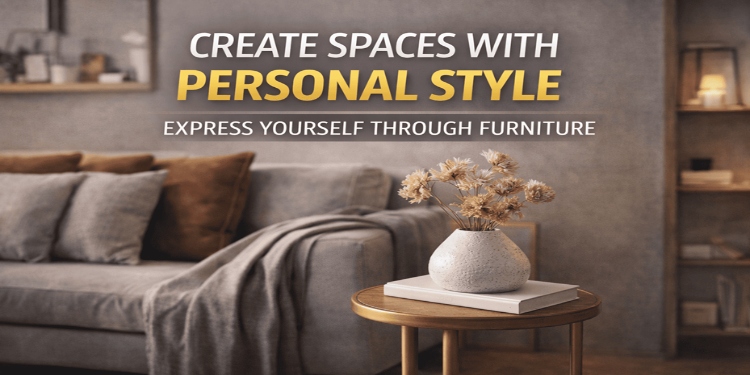
Interior design is no longer just about aesthetics. Today, furniture plays a central role in how people experience their homes, influencing comfort, productivity, and even emotional well-being. As lifestyles evolve, so do expectations for living spaces, and furniture design has adapted to meet these changing needs.
Modern homes often serve multiple purposes at once. A living room might double as a workspace, while a dining area becomes a place for socializing, relaxing, or even creative work. In this context, furniture must be both functional and visually balanced. Clean lines, adaptable forms, and carefully chosen materials help create spaces that feel open without sacrificing warmth.


Another noticeable shift is the growing demand for timeless design. Instead of chasing short-term trends, many homeowners prefer pieces that age well and remain relevant over time. Neutral tones, natural textures, and well-proportioned shapes allow furniture to blend seamlessly into different interiors, even as decor styles change.
Sustainability has also become a key consideration. Buyers are increasingly interested in where materials come from and how products are made. Well-crafted furniture not only lasts longer but also reduces the need for frequent replacements, making quality design a more responsible choice.
Platforms like Design Furniture Market make it easier to explore a wide range of furniture styles and concepts in one place. By showcasing thoughtfully designed pieces for different spaces, they help people make informed decisions when shaping their interiors. You can explore modern furniture solutions and design inspiration at https://designfurnituremarket.com/.
In the end, furniture is more than just an object in a room. It defines how a space feels and how people interact with it. Thoughtful design transforms everyday environments into places that support comfort, creativity, and long-term living.