

















































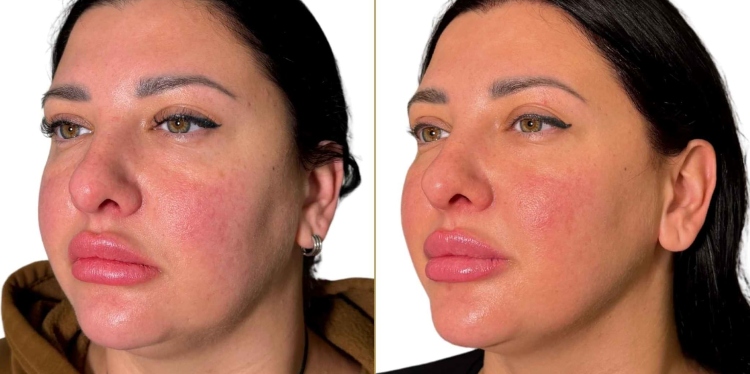
The demand for aesthetic procedures across the United Kingdom continues its sustained growth, yet industry data confirms a significant shift. Patients are increasingly favouring treatments that offer strong clinical foundations but avoid the commitment and recovery time of a traditional surgical facelift.
This movement towards minimally invasive options has brought the Endolift® laser-based treatment into the spotlight. Endolift is gaining notable momentum by offering improved skin laxity and stimulated collagen production without requiring incisions or prolonged downtime.


This report examines why the procedure is becoming a preferred non-surgical alternative for Britons seeking firmer skin and improved jawline definition. It details the mechanism of this unique laser treatment, what patients can expect regarding progressive improvements, and the crucial importance of clinical oversight when seeking skin tightening solutions.
The UK Shift: Demand for Non-Surgical Alternatives
The current aesthetic climate across the UK is defined by caution and a strong preference for progressive, controlled results. Increased screen time and the ubiquity of video calls have heightened public awareness of facial ageing, particularly concerning the lower face and jawline definition.
This environment is fuelling the sustained growth of minimally invasive treatments. Patients are demonstrating greater caution regarding irreversible cosmetic decisions, increasingly seeking a non-surgical facelift alternative that avoids the commitment and recovery associated with a traditional surgical facelift.
Procedures like Endolift treatment appeal widely due to their significantly lower risk profiles and reduced downtime. They offer a sophisticated solution for individuals experiencing mild sagging or moderate sagging, such as early jowls and loose jawline definition caused by skin laxity.
Endolift has emerged as a key non-surgical alternative in this landscape, promising significant rejuvenation through targeted laser treatment while ensuring outcomes remain natural in appearance.
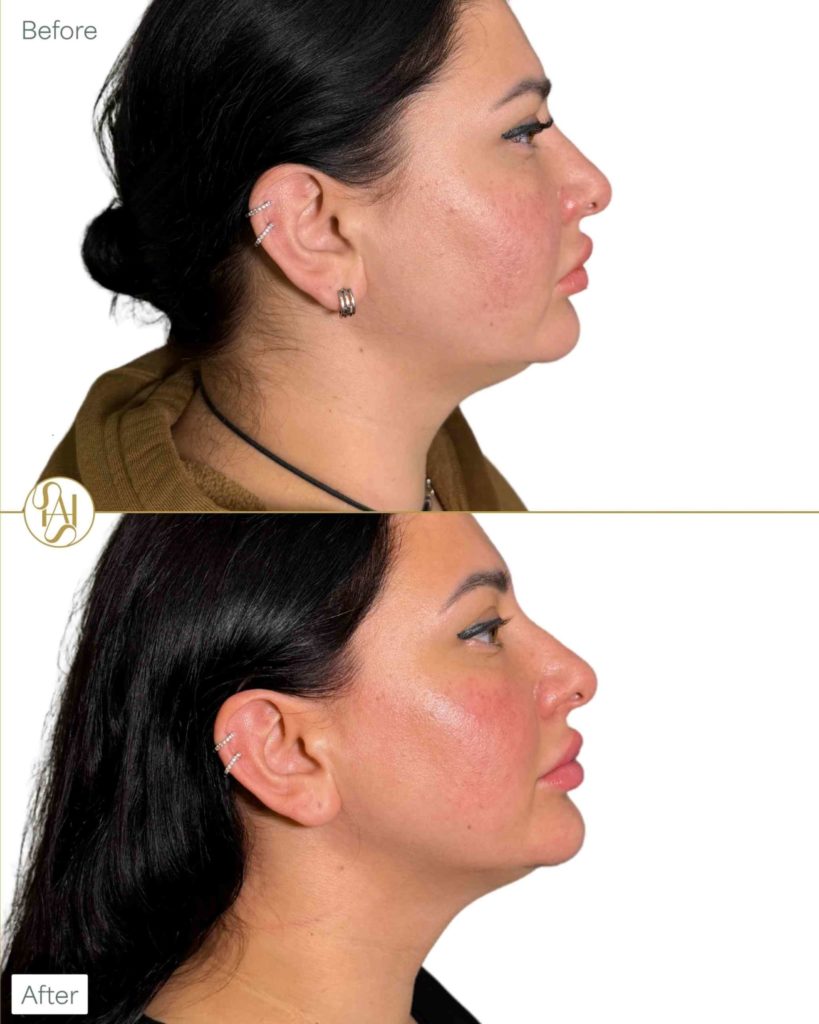
Defining Endolift: How the Laser Technology Works
Endolift is a laser-based, minimally invasive treatment designed to address skin laxity without the need for surgical incisions. The procedure utilises ultra-thin, single-use micro-fibre laser filaments. These filaments are carefully inserted into the superficial hypodermis, or the subdermal layers, beneath the skin’s surface.
Conducted under local anaesthetic, the Endolift treatment typically requires under an hour to complete, allowing patients to minimise downtime compared to traditional methods.
Mechanism: Controlled Energy Delivery and Collagen Production
The core mechanism of Endolift relies on the precise delivery of controlled energy via the micro-fibre laser filament. This energy targets the deeper tissues, achieving simultaneous aesthetic goals.
First, the thermal stimulation causes immediate mechanical contraction of existing collagen fibres and connective septums, resulting in internal skin tightening. Secondly, the heat activates neocollagenesis, significantly boosting long-term production of collagen and elastin.
This stimulation of collagen production is progressive, with noticeable lifting and progressive improvements developing over three to six months following the procedure. This gradual change contributes to the natural appearance of the results, unlike the abrupt changes sometimes seen with a surgical facelift.
Targeting Skin Laxity and Localised Fat
The laser’s energy also selectively targets water and fat cells. This process, often referred to as fat melting, helps to remodel small, localised fat deposits that contribute to concerns such as a double chin and heaviness in the early jowls.
This dual action (connective tissue tightening combined with fat reduction) makes Endolift highly effective for defining the jawline and treating mild to moderate sagging in the lower face and neck. The laser treatment is also suitable for addressing skin laxity in body areas like the knees, arms, and abdomen.
Endolift vs. Surgical Facelift: Understanding the Alternatives
Endolift is positioned as a highly effective non-surgical alternative for individuals seeking significant improvements without the commitment of surgery. It is not a substitute for a surgical facelift in cases of severe sagging requiring deeper tissue repositioning.
However, for patients with mild sagging or moderate sagging, the benefits are compelling. Data shows Endolift costs typically start lower than a surgical facelift, and while surgical results may last up to 10 years, Endolift results can last up to three to five years with significantly less downtime.
While a surgical facelift requires two to six weeks of recovery, Endolift patients typically experience minor swelling or tenderness for only a few days to a week, with a return to normal activities usually within one to three days. This faster recovery time is a key driver of its popularity in the UK aesthetic market.
Endolift Versus the Traditional Surgical Facelift
Endolift is positioned as a highly effective non-surgical alternative, but medical experts emphasise the importance of understanding its role relative to a surgical facelift. This minimally invasive treatment is ideally suited for individuals presenting with mild to moderate sagging, early jowls, and general skin laxity.
The Endolift treatment focuses on stimulating collagen production and achieving jawline definition without requiring major incisions. This offers a balanced option for patients seeking noticeable, natural results without the commitment of surgery.
However, specialists agree that Endolift is not a substitute for a surgical facelift in cases of severe sagging or where deep tissue repositioning is necessary. A surgical facelift remains the gold standard for patients requiring extensive lifting.
“For the right candidate seeking skin tightening and improved lower face definition, Endolift offers a progressive non-surgical alternative. It provides improvements that are subtler and more natural in appearance than surgical intervention, appealing strongly to patients seeking minimal interruption and reduced downtime.”
The table below outlines key differences between the laser treatment and traditional surgical procedures, providing factual context derived from UK industry data.
| Feature | Endolift Treatment (Non-Surgical Alternative) | Traditional Surgical Facelift |
| Invasiveness | Minimally invasive, no incisions, performed under local anaesthetic using a micro-fibre laser. | Invasive surgery, typically requiring general anaesthetic. |
| Downtime (Recovery) | 7 to 14 days (return to work often within 1 to 3 days). | 2 to 6 weeks. |
| Longevity of Results | Typically 1 to 3 years (up to 5 years reported, supported by continued collagen production). | Up to 10 years. |
| Cost (Average UK Estimate) | From £1,349 to £3,500 per area. | £9,000 and above. |
| Ideal Candidate | Mild sagging, early jowls, loose jawline, and skin laxity. | Severe sagging, significant tissue repositioning needed. |
The appeal of Endolift lies in its ability to target skin quality and achieve fat melting in areas like the double chin, delivering controlled energy to the subdermal layers. This mechanism ensures that while results are progressive improvements, the associated downtime is significantly reduced compared to surgery.
Crucially, the treatment stimulates collagen over several months, meaning the full results of the skin tightening procedure continue to develop long after the initial one-hour session.
The Endolift Mechanism: Precision, Procedure, and Recovery
The Endolift treatment is defined by its precision and efficiency. Following the application of local anaesthetic, the practitioner introduces a hair-thin micro-fibre laser filament directly into the subdermal layers. This process delivers controlled energy, targeting both small fat deposits and connective tissue tightening.
The procedure typically takes between one and two hours, positioning Endolift as a true minimally invasive treatment. Crucially, the primary appeal for many patients choosing this non-surgical facelift alternative is the significantly reduced downtime compared to traditional surgery.
Patients are often able to return to non-strenuous daily activities within 24 to 48 hours.
Recovery and Side Effects
Post-treatment, patients should anticipate mild redness, swelling, or minor tenderness, which usually subsides within a few days to a week. Risks are minimal, generally limited to temporary numbness or minor bruising at the fibre entry points.
For individuals seeking improvement in mild to moderate sagging, the rapid recovery profile makes Endolift highly attractive compared to the weeks required for a surgical facelift.
Progressive Improvements and Collagen Stimulation
While some patients report noticing immediate results due to the mechanical contraction of tissues, the true lifting and tightening effects are progressive. The primary goal is long-term collagen and elastin production, which continues over several months within the lower face and neck lift areas.
Initial improvements in skin tightening and jawline definition are usually visible within four to eight weeks. The full cosmetic effect, showcasing improved skin quality and firmness following the laser treatment, is typically observed at the three to six-month mark.
This gradual change ensures outcomes appear natural, avoiding the abrupt look associated with some more aggressive interventions.
Longevity and Sustained Results
The long-term success of the Endolift treatment is directly linked to the body’s sustained, natural response to the thermal stimulation. This minimally invasive process drives significant collagen production, which progressively improves the skin’s underlying architecture and firmness over several months.
While some patients report immediate results, the true benefits (including noticeable skin tightening and improved jawline definition) develop gradually. Full progressive improvements are typically visible between three and six months post-treatment.
Clinical data suggests that the results from a single Endolift session can last up to three to five years. However, this longevity depends heavily on the individual’s natural ageing process, genetics, and lifestyle factors.
To sustain optimal outcomes and combat future skin laxity, specialists often recommend maintenance sessions. These follow-up laser treatments may be scheduled every one to three years to prolong the effects and support ongoing collagen production.
Clinical Standards: Why Expertise is Non-Negotiable
Endolift is a powerful, FDA-approved, laser-based treatment that must be classified as a regulated medical procedure, not a standard beauty treatment. While the technology uses a sophisticated micro-fibre laser filament to deliver controlled energy into the subdermal layers, the outcome depends less on the device itself and more on the skill, precision, and clinical judgment of the practitioner performing the treatment.
The Endolift mechanism is designed to address skin laxity by tightening connective tissue and stimulating long-term collagen production. This minimally invasive treatment also offers targeted fat melting, which is crucial for improving areas like the double chin or early jowls. However, its effectiveness hinges entirely on accurate patient selection.
Endolift is an ideal non-surgical alternative for individuals presenting with mild to moderate sagging. It is not a substitute for a surgical facelift in cases of severe skin laxity. Therefore, a robust clinical pre-treatment assessment is mandatory to ensure the procedure is appropriate and safe for the patient’s specific ageing patterns.
Selecting a Reputable Endolift Clinic in London
For optimal consumer outcomes and public safety, readers considering Endolift treatment in London or elsewhere in the UK should seek clinics that adhere to stringent medical standards. These factors consistently correlate with better patient satisfaction and safer outcomes:
- Clinics led by GMC-registered doctors who oversee the entire procedural plan, ensuring medical oversight.
- A mandatory, in-person pre-treatment assessment to determine suitability for the procedure, particularly for the lower face and neck lift areas.
- Transparent discussion of expected results, potential risks, swelling, and recovery protocols, including anticipated downtime.
- Structured aftercare, monitoring, and follow-up support to manage the period of progressive improvements.
Real Results: Patient Experience and Clinical Oversight
The standard of care is exemplified by medically led practices. At Dr Hass Clinic, a London-based practice, Endolift is performed by Dr Hasaneen Al Janabi, a GMC-registered aesthetics doctor and member of the Royal College of Surgeons. This approach prioritises procedural precision and continuous patient monitoring throughout the recovery phase.
The clinic’s philosophy is to integrate Endolift within a broader rejuvenation strategy, rather than treating it as a standalone solution. This ensures the treatment targets specific concerns, such as improving jawline definition and addressing early jowls, based on the individual’s skin condition and specific signs of sagging skin.
Patient testimonials frequently highlight both the efficacy of the skin tightening and the quality of clinical care. One patient, seeking a non-surgical facelift effect for a loose jawline, reported seeing noticeable improvement immediately after treatment. The individual noted that the results continued to develop over the following months, adding that the outcome had exceeded expectations three months on, driven by the sustained collagen stimulation.
Another patient described the procedure as “quick and far more comfortable than expected,” citing the calm, professional clinical environment as highly reassuring. These reviews underscore the importance of expert execution in delivering predictable, natural-looking results through this advanced laser treatment.
Should You Consider Endolift?
Endolift offers a sophisticated, minimally invasive treatment for those seeking significant skin rejuvenation and improved facial contouring without the risks or extended downtime associated with major surgery.
It is positioned as an excellent non-surgical alternative for addressing early jowls, mild sagging, and loose skin around the neck and lower face.
Identifying the Ideal Candidate
Endolift is specifically designed for individuals presenting with mild to moderate sagging skin or skin laxity. It is highly effective in improving jawline definition and reducing small fat deposits that contribute to a double chin.
While the treatment is powerful, it is not a substitute for a surgical facelift. Patients with severe sagging requiring significant tissue repositioning are generally better suited to traditional surgical methods.
Endolift Versus the Surgical Facelift
The choice between Endolift and a surgical facelift depends heavily on the degree of correction required and the patient’s tolerance for downtime.
A surgical facelift targets deeper underlying connective tissue, costing upwards of £9,000 and offering results lasting up to ten years, but requiring two to six weeks of recovery.
In contrast, Endolift is a laser-based treatment focusing on skin tightening and collagen production in the subdermal layers. It typically costs from £1,349, delivers results lasting one to three years, and requires minimal downtime, often allowing a return to normal activities within seven to 14 days.
Patients seeking progressive improvements and a more natural, subtle lift often favour this non-surgical alternative.
Understanding the Results and Longevity
The Endolift treatment uses a micro-fibre laser filament to deliver controlled energy deep beneath the skin. This immediate action results in connective tissue tightening and fat melting, offering some immediate results.
Crucially, the treatment stimulates long-term collagen and elastin production. Studies show that visible lifting and firmness continue to develop over three to six months post-procedure, with results potentially lasting up to five years with appropriate lifestyle management.
Prioritising Expertise in Clinic Selection
When considering this sophisticated laser treatment, potential patients must prioritise medical expertise. The precise targeting and controlled energy delivery required to achieve safe and satisfying outcomes necessitate an experienced operator.
As the UK aesthetic market continues to grow, seeking out a reputable Endolift clinic in London, such as Dr Hass Clinic, ensures that the procedure is managed under rigorous clinical standards by a GMC-registered doctor.
Ultimately, Endolift offers an effective solution for those aiming to combat mild to moderate sagging skin and enhance lower face contouring without committing to invasive surgery.
Frequently Asked Questions About Endolift
What exactly is Endolift and how does the treatment work?
Endolift is a cutting-edge, laser-based treatment classified as a minimally invasive procedure. It is designed for skin tightening and contour improvement without the need for surgical incisions.
The mechanism relies on inserting a micro-fibre laser filament, thinner than a strand of hair, directly into the subdermal layers of the skin. This micro-fibre laser delivers precise, controlled energy, targeting water and fat.
This controlled energy delivery achieves two primary goals: it causes localised fat melting, particularly effective for areas like the double chin, and it instantly tightens connective tissue. Crucially, it initiates long-term collagen and elastin production, which leads to progressive improvements in skin laxity and firmness over several months.
Who is the ideal candidate for Endolift?
Endolift is an excellent non-surgical alternative for individuals experiencing mild to moderate sagging, early jowls, or a loose jawline. It is specifically suited for those who desire natural-looking skin tightening and improved jawline definition without undergoing a major operation.
Patients who have severe sagging requiring significant tissue repositioning are typically better suited for a traditional surgical facelift.
Which areas of the face and body can be targeted?
While often discussed as a non-surgical facelift, Endolift treatment is highly versatile. It is most commonly used to address the lower face, providing jawline definition, reducing the appearance of early jowls, and performing a non-surgical neck lift.
It is also highly effective for reducing small fat deposits contributing to a double chin. Beyond the face, the laser treatment can be used for skin tightening on the body, including the arms, knees, thighs, and abdomen.
How does Endolift compare to a traditional Surgical Facelift?
Endolift and a surgical facelift serve different purposes. Endolift is a minimally invasive treatment offering subtler, progressive results with significantly less downtime. A surgical facelift involves deep tissue repositioning and provides the most dramatic, long-lasting results for severe cases of skin laxity.
In terms of recovery, the typical downtime for Endolift is seven to fourteen days of mild redness and swelling, compared to two to six weeks for surgery. Financially, Endolift costs typically start from approximately £1,349, with results lasting one to three years, whereas a surgical facelift often costs £9,000 or more with results lasting up to ten years.
How long does the Endolift procedure take and when will I see results?
The procedure is often referred to as a “one-hour lift” because it typically takes between one and two hours to complete, depending on the area treated. It is performed under local anaesthesia for patient comfort.
While some patients report immediate firmness immediately after the treatment due to the initial connective tissue tightening, the full benefits develop over time. Initial skin tightening and improvement are usually visible within four to eight weeks, with the full effects of collagen production visible between three and six months post-treatment.
What is the recovery period and what side effects should I expect?
The downtime associated with Endolift is minimal compared to surgical options. Most patients experience mild swelling, tenderness, or redness in the treated areas, which generally subsides within a few days to a week.
Patients can typically return to their normal daily activities within one to three days. Minor risks include temporary numbness, minor bruising, or tiny entry marks where the micro-fibre laser was inserted. Choosing a clinic that provides a thorough pre-treatment assessment and structured aftercare is critical for managing these risks.
How long do Endolift results last?
The results achieved through Endolift treatment can be long-lasting. Because the procedure stimulates collagen production and remodels the skin’s structure, the improvements are considered permanent. However, the natural ageing process continues.
On average, the aesthetic benefits of improved skin tightening and jawline definition typically last between three and five years. Some patients opt for maintenance sessions every few years to prolong the progressive improvements achieved.
Is Endolift safe, and why is clinical oversight so important?
Endolift is considered safe when performed by experienced, trained medical professionals. The technology is FDA-approved for use in aesthetic medicine.
However, the quality of outcome and patient safety depend heavily on the operator, not just the device. Because this is a laser-based treatment that involves inserting a micro-fibre laser filament into the subdermal layers, it requires precision and medical expertise.
Selecting a reputable Endolift clinic in London that prioritises a detailed pre-treatment assessment and is led by GMC-registered doctors ensures the safest possible environment and the best chance for optimal results.
What is the Ideal Candidate Profile for Endolift?
Endolift treatment is specifically tailored as a non-surgical alternative for individuals experiencing mild to moderate skin laxity. While candidates typically range from their late 30s through to their 50s, suitability depends more on the degree of ageing than age itself.
The procedure is highly effective for targeting specific signs of facial ageing, including early jowls, a loose jawline, and subtle sagging in the lower face. The goal is definition and skin tightening, achieved through the targeted delivery of controlled energy via the micro-fibre laser.
Endolift is not, however, a substitute for a full surgical facelift. Patients presenting with severe sagging, significant excess skin, or those requiring deep tissue repositioning will likely still need a surgical solution. Endolift excels as a minimally invasive treatment for those seeking progressive improvements without the significant downtime associated with surgery.
The ideal patient seeks natural-looking results, prioritises minimal downtime, and understands that the full effects of increased collagen production develop gradually over several months.
What Does the Endolift Treatment Involve, and What is the Downtime?
The Endolift procedure is classified as a minimally invasive treatment and does not require general anaesthesia. Instead, the area is thoroughly numbed using a local anaesthetic applied directly to the treatment zones.
Patients report feeling little to no pain during the process, often describing a warming sensation or light pressure as the ultra-thin micro-fibre laser filament is inserted beneath the skin. This controlled energy delivery ensures maximum comfort while targeting the subdermal layers to achieve skin tightening.
Typically, the Endolift treatment takes between one and two hours, depending on the extent of the area being addressed, such as the lower face, jawline definition, or neck lift. Since the procedure is minimally invasive, the associated downtime is significantly reduced compared to a surgical facelift.
Most patients experience mild redness, swelling, or tenderness immediately following the treatment. These effects generally subside within a few days to a week. A key benefit of this non-surgical alternative is the rapid recovery; patients can usually return to their normal daily activities within one to three days.
While the immediate results provide some initial improvement, the true effects of the Endolift laser treatment (driven by long-term collagen production and connective tissue tightening) develop progressively over the following three to six months.
How Long Do Endolift Results Last?
The Endolift treatment is engineered to deliver results that are considered long-lasting because the mechanism relies on sustained biological changes rather than temporary volume addition.
The laser-based treatment uses the micro-fibre laser filament to deliver controlled energy deep into the subdermal layers. This process melts targeted fat deposits and initiates significant collagen and elastin production, fundamentally improving skin quality and firmness.
While some immediate results from connective tissue tightening are often observed, the full effect of the Endolift treatment develops gradually. Patients typically report progressive improvements continuing for up to six months as the new collagen matures and strengthens the skin structure.
Clinical observations suggest that the skin tightening achieved through this minimally invasive treatment can last between three and five years, depending heavily on the patient’s initial skin laxity, age, and lifestyle factors. As a non-surgical alternative, Endolift provides sustained lift, although the natural ageing process will continue.
For individuals with mild to moderate sagging who wish to maintain optimal jawline definition and combat a loose jawline or double chin, specialist clinics may recommend periodic maintenance sessions to prolong the effects of the initial stimulation.
Integrating Endolift: Combination Therapies for Optimal Results
Endolift is rarely offered as a standalone solution in medically led clinics. Instead, it is integrated into a broader, bespoke facial rejuvenation plan to achieve optimal aesthetic outcomes.
This minimally invasive laser treatment excels at addressing deep tissue concerns, targeting skin laxity and stimulating long-term collagen production. However, successful rejuvenation often requires addressing multiple factors of facial ageing, including volume loss.
Endolift focuses primarily on contraction and skin tightening, making it highly effective for improving the loose jawline, lower face, and double chin. Dermal fillers, conversely, are used to restore volume in areas where bone or fat pad loss has occurred, such as the cheeks or temples.
A combined approach ensures both structural tightening and volumetric support, leading to more comprehensive and natural-looking jawline definition without resorting to a surgical facelift.
It is also common for specialists to combine Endolift with other non-surgical alternatives, such as RF (Radiofrequency) or HIFU (High-Intensity Focused Ultrasound). While these energy devices work from the surface or external depths, the micro-fibre laser filament of Endolift delivers controlled energy directly into the subdermal layers.
This layered strategy maximises the overall effect on skin quality and connective tissue tightening, ensuring progressive improvements that continue for months following the initial Endolift treatment.
How Does Endolift Achieve Contouring and Fat Reduction?
Yes, the Endolift treatment is specifically designed to achieve targeted fat melting alongside skin tightening. This dual action is central to its effectiveness as a minimally invasive, non-surgical alternative for facial contouring.
The micro-fibre laser filament delivers precise, controlled energy into the subdermal layers. This energy selectively heats and emulsifies small pockets of fat, particularly those deposits contributing to the appearance of a double chin or general heaviness in the lower face.
By reducing these small deposits and simultaneously stimulating immediate connective tissue tightening, the procedure provides significant improvement in jawline definition. This capability differentiates Endolift from treatments focused purely on stimulating collagen production.
For patients experiencing mild to moderate sagging, this fat reduction feature ensures that the results are not only firmer but also more sculpted, offering a refined profile without the need for a surgical facelift.
References
- Endolift has completely changed how we approach non-surgical …
- Endolift: The Non-Surgical Alternative to a Facelift for Mild Sagging
- How An Endolift Treatment Works Its Wonders – Bodyvie
- Endolift. The One Hour Miracle Treatment – Derma Aesthetics London
- Endolift Treatment | Before & After – Perfect Skin Solutions

David Prior
David Prior is the editor of Today News, responsible for the overall editorial strategy. He is an NCTJ-qualified journalist with over 20 years’ experience, and is also editor of the award-winning hyperlocal news title Altrincham Today. His LinkedIn profile is here.