





















![5 Best CFD Brokers for Beginners [UK, 2026]](https://todaynews.co.uk/wp-content/uploads/2026/03/Invest-360x180.jpg)





























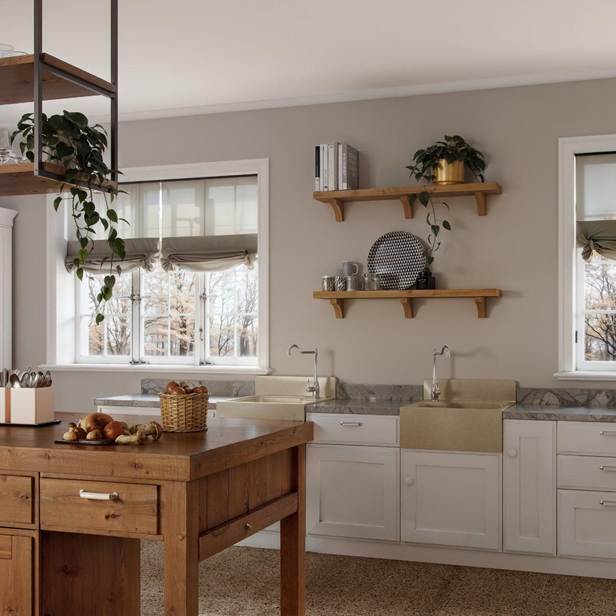
Transforming a home goes beyond paint colors and furniture placement, and one of the most underestimated tools in this process is the right choice of shelves for wall. Selecting the perfect wall shelves can change both the look and function of a space, turning empty walls into statement features while offering practical storage solutions. From floating shelves that highlight a minimalist vibe to deep units that hold an entire library of books, the variety of materials, sizes, and placements available today allows for creativity without limits. Wood offers warmth and timeless appeal, glass brings sleek modern elegance, and L-shaped or corner shelves make use of overlooked spaces. Thoughtful placement above furniture, in niches, or along accent walls ensures that shelves become more than functional, they elevate the room’s design, support everyday life, and create a personal style that resonates throughout the home.
Materials Matter: Choosing the Right Look and Feel
One of the first decisions in selecting wall shelves is the material. Wood remains a popular choice, providing warmth, texture, and an organic quality that complements most interiors. Depending on the finish, wood can feel rustic, contemporary, or industrial, and can be paired with metal brackets or left floating for different stylistic effects. Glass, by contrast, adds an airy, modern quality that allows light to pass through and items on display to feel almost suspended in space. For those looking to experiment, acrylic or mixed materials can create a bold, unexpected visual statement that combines transparency, color, and texture. The material selection is not just about aesthetics, it also influences durability, weight capacity, and overall maintenance, so considering both form and function from the outset is crucial.


In addition to wood and glass, metal brackets and supports can also play a key role in the overall aesthetic. Sleek metal adds a contemporary edge, while ornate or industrial hardware can enhance vintage or eclectic themes. For homes with heavy use or families with children, metal supports provide stability and long-term durability without sacrificing style. Understanding how material choice interacts with lighting, wall color, and surrounding décor ensures that shelves integrate seamlessly into the space rather than feeling like an afterthought.
Shapes and Sizes: Matching Form to Function
While material sets the tone, size and shape determine how well the shelves serve the room’s purpose. Floating shelves are perfect for a minimalist, clean look and work well in living rooms, bathrooms, or kitchens where surface clutter is minimal. Deeper shelves accommodate books, collectibles, or kitchenware, offering substantial storage while maintaining elegance. L-shaped and corner shelves make use of underutilized areas, turning awkward corners into functional display zones without crowding the room. Modular systems or stacked units provide flexibility, allowing shelves to grow or be rearranged as needs change over time. Choosing the right dimensions ensures that the shelves both fit the space proportionally and meet the practical demands of the household.
Function often dictates form more than aesthetics alone. For example, in a home office, shelves may need to support books, binders, or storage bins, requiring sturdier construction and depth. In a living room, decorative items may take center stage, allowing for shallower shelves that focus on display rather than storage. In kitchens and bathrooms, a combination of durability, easy cleaning, and moisture resistance becomes vital. Understanding the intended use of each shelf location prevents frustration later, ensuring both beauty and usability are achieved simultaneously.
Shelves as Room Anchors: Creating Focal Points
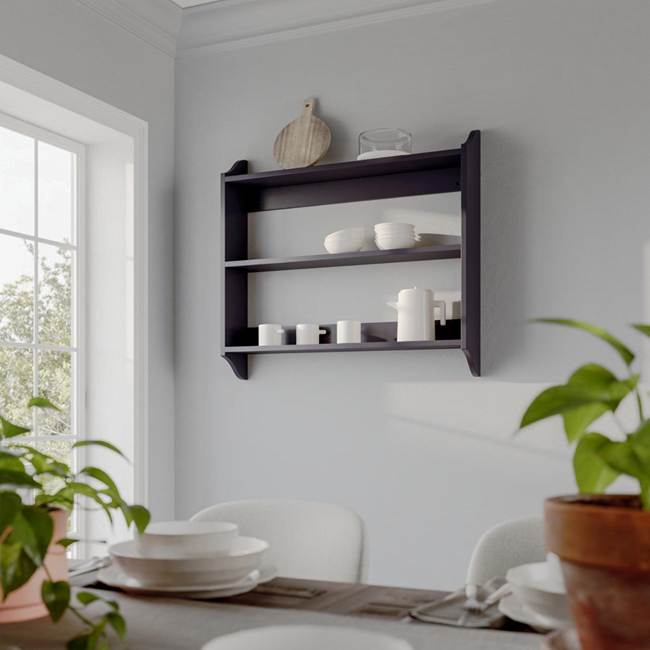
Well-chosen and thoughtfully placed shelves can act as anchors for a room, helping to organize the layout and guide attention. A grouping of floating shelves above a sofa creates a visual center that draws attention upward and adds dimension to the wall. In dining rooms, a wall-mounted shelf can display art, tableware, or seasonal décor, framing the space and elevating the overall design. Even small areas, like entryways or hallways, can benefit from shelves that combine storage with style, offering a place for keys, mail, and decorative touches. In every case, shelves provide a way to unify disparate elements and create a sense of harmony, blending function with aesthetic cohesion.
This anchoring effect is amplified when paired with complementary design elements. Lighting above or below shelves highlights textures and colors, while wall paint or wallpaper can act as a backdrop to emphasize or contrast with the shelves’ materials. Rugs, furniture, and accessories all interact with shelves to establish rhythm and balance within the room, reinforcing the idea that shelves are more than simple storage, they are integral components of a well-designed space.
Customization: Tailoring Shelves to Your Lifestyle
Customization allows shelves to reflect not just personal style but also practical lifestyle needs. Adjustable shelving systems accommodate growth and change, while modular or floating configurations allow for creative expression in alignment and spacing. For homes with children, reinforced shelves and easily accessible layouts prioritize safety and convenience. For avid collectors, deeper or more durable options can accommodate heavier items, while decorative touches on brackets or shelf edges enhance aesthetic impact. Customization ensures that shelves function efficiently and integrate seamlessly with the overall design, providing solutions that are both practical and visually appealing.
Beyond structural customization, visual customization adds personality. Choosing finishes, paint colors, or stains that coordinate with the room, or integrating mixed materials like wood and metal, allows shelves to reflect the homeowner’s style. Even the choice of accessories, from minimalist ceramics to eclectic collectibles, helps reinforce a space’s personality while maintaining balance and function.
Common Mistakes to Avoid
While shelves are versatile, certain missteps can undermine their impact. Installing shelves too high or low can disrupt visual flow, while overcrowding or uneven placement can create clutter rather than focal interest. Ignoring weight limits or the type of wall surface may compromise safety and durability. Another common oversight is failing to align shelves with the room’s intended use, resulting in decorative pieces that are beautiful but impractical. Taking the time to plan placement, size, and style ensures that shelves contribute meaningfully to both aesthetics and function.
It is also important to consider the proportion relative to other furniture and architectural elements. Oversized shelves on a small wall can overwhelm the space, while too-small shelves in a large room may feel lost. Understanding the scale and flow of the room helps in creating a balanced arrangement that looks intentional and cohesive rather than haphazard.
Conclusion: Shelves as Functional Art
Wall shelves are far more than storage solutions, they are versatile tools for transforming spaces, blending utility with beauty, and expressing personal style. When chosen carefully, considering material, shape, size, placement, and styling, shelves turn blank walls into functional art that supports everyday life while creating visual impact. From minimalist floating units to deep, book-laden shelves, and from warm wood finishes to sleek glass, each decision contributes to the room’s overall character. Thoughtful installation, creative styling, and ongoing maintenance allow shelves to remain both practical and inspirational, enhancing functionality, maximizing space, and making a bold design statement in every room.