
















![5 Best CFD Brokers for Beginners [UK, 2026]](https://todaynews.co.uk/wp-content/uploads/2026/03/Invest-360x180.jpg)


































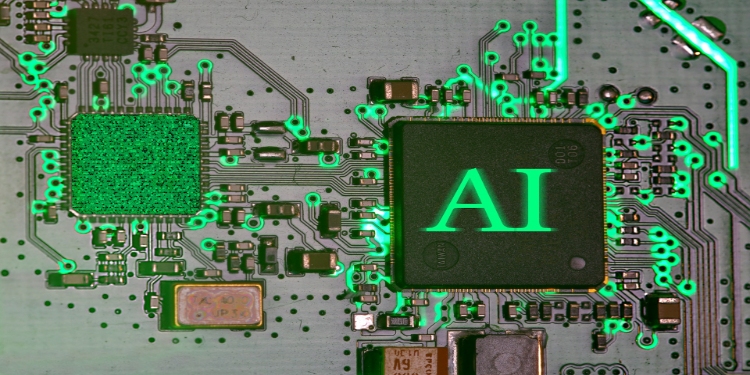
Artificial intelligence has quickly become part of everyday life, whether people realise it or not. From search engines and streaming platforms to workplace tools and customer service systems, AI is now deeply woven into modern technology. People encounter AI in many digital environments, from personalised recommendations to automated interfaces that help users navigate websites or services, whether they are shopping online, managing finances, or choosing entertainment options such as when they play slot games at Lottomart.
Despite this growing presence, many misunderstandings still surround what AI actually is and how it functions. These myths often come from science fiction, dramatic headlines, or a lack of clear explanation. When people believe inaccurate information about AI, it can lead to unnecessary fear, unrealistic expectations, or missed opportunities. Understanding the truth behind common AI myths allows people to engage with technology more confidently and responsibly.


The Idea That AI Is Smarter Than Humans
One of the most persistent myths about AI is the belief that it is smarter than humans in every possible way. While AI can process data faster than any person and handle specific tasks with impressive accuracy, it does not possess human intelligence. AI does not think, imagine, or reason in the way humans do. It relies entirely on patterns, algorithms, and data created and guided by people. Human intelligence is flexible, creative, and emotional, allowing individuals to adapt to unfamiliar situations and make decisions based on experience and intuition.
This misunderstanding often comes from exaggerated portrayals of AI as an all knowing force. In reality, AI performs well in narrow areas but struggles outside its training. Recognising this difference helps people understand that AI is a tool designed to assist human intelligence, not replace it or surpass it entirely.
The Fear That AI Will Replace All Jobs
Another widely believed myth is that AI will eventually replace all jobs, leaving people without work or purpose. While it is true that AI can automate certain tasks, this does not mean that every job will disappear. In most cases, AI changes how work is done rather than removing the need for human involvement. Many roles evolve when repetitive or time consuming tasks are automated, allowing people to focus on problem solving, creativity, communication, and strategic thinking.
Throughout history, technological advancements have transformed industries and created new opportunities. AI follows this same pattern by supporting productivity and efficiency rather than eliminating human contribution. Understanding this helps reduce fear and encourages people to develop skills that work alongside AI instead of competing against it.
The Myth That AI Works Completely On Its Own
There is also a common belief that AI systems operate independently without human control. In reality, AI depends heavily on people at every stage of its development and use. Humans design the systems, choose the data, monitor performance, and make decisions about how AI is applied. AI does not set goals for itself, make ethical judgments, or understand consequences beyond its programming.
This myth can cause confusion about responsibility when AI systems fail or produce harmful outcomes. Recognising the role of human oversight is essential for ethical and accountable AI use. When people understand that AI is guided by human choices, they can better appreciate the importance of transparency and careful design.
The Assumption That AI Is Always Correct
Many people assume that AI systems are always accurate because they rely on data and advanced technology. However, AI is not immune to mistakes. Its accuracy depends entirely on the quality of the data it is trained on. If the data contains bias, errors, or missing information, the AI system may produce flawed results. This makes human review and judgment essential when using AI tools.
Believing that AI is always correct can lead to overreliance and poor decision making. When users understand that AI outputs should be questioned and evaluated, they are more likely to use technology wisely. AI works best as a support system rather than a final authority.
The Idea That AI Is Only For Large Companies
Many people believe AI is only accessible to large corporations with extensive budgets and technical teams. In reality, AI tools are becoming more widely available and easier to use. Individuals, small businesses, and creators now use AI for writing, organisation, design, and productivity. These tools are increasingly designed for everyday users rather than specialists.
This myth can prevent people from exploring AI and benefiting from it. Understanding that AI is becoming more accessible encourages learning and experimentation. As AI continues to evolve, it is likely to become even more integrated into daily routines.
Why Clearing AI Myths Matters
Misunderstandings about AI can create fear, resistance, or misuse of technology. When people rely on myths instead of facts, they may avoid useful tools or place too much trust in systems they do not fully understand. Education and open discussion are essential for building confidence and encouraging responsible use.
By clearing common myths, people are better prepared to use AI thoughtfully and ethically. Knowledge empowers users to ask better questions, make informed decisions, and adapt to technological change with confidence.
Conclusion
AI is neither a magical solution nor a threat to humanity. It is a powerful tool shaped by human design and intention. Common myths about AI often exaggerate its abilities or misunderstand its purpose, leading to confusion and fear. By understanding what AI truly is and how it works, people can approach it with clarity and confidence. As AI continues to grow in influence, separating fact from fiction will remain essential for making the most of technology while keeping human creativity, judgment, and responsibility at the centre of progress.

David Prior
David Prior is the editor of Today News, responsible for the overall editorial strategy. He is an NCTJ-qualified journalist with over 20 years’ experience, and is also editor of the award-winning hyperlocal news title Altrincham Today. His LinkedIn profile is here.












![5 Best CFD Brokers for Beginners [UK, 2026]](https://todaynews.co.uk/wp-content/uploads/2026/03/Invest-120x86.jpg)