


















![5 Best CFD Brokers for Beginners [UK, 2026]](https://todaynews.co.uk/wp-content/uploads/2026/03/Invest-360x180.jpg)

































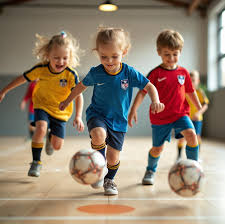
Football shirts are a huge global thing now, going way beyond just sports on a field. The number of kits sold keeps going up every year, with the replica kit industry being worth billions of pounds annually. But this rise in numbers isn’t solely because of a larger audience for the sport.
The craving for f.b. kits is also a mirror to the cultural changes, the trends in fashion, and the global spread of the game itself. Looking into the reasons for the surge in the sales of football shirts helps unravel the story of how football kits have become fashionable and trendy in addition to being just the players garments.


Social Media Has Changed Everything
Instagram and TikTok have essentially rebranded football shirts as lifestyle products. Players don’t only get the football kits out on the match day, they also pose for well, planned photoshoots that bring millions of likes on the social media they rack up.
When either Kylian Mbapp or Erling Haaland shares a picture of themselves in next season’s kit, they’re not simply advertising their club, they’re actually giving a nod to the goings, on in the world of style.
This kind of exposure is creating demand almost as soon as it happens. Fans notice their idols sporting the latest designs and within hours want to have that same shirt and not after weeks. The classic dormant phase between seasons to release the product is gone; instant gratification is the new norm, pre, orders breaking records even before a single game has been played.
User, generated content weighs in on this and makes the effect even more potent. Fans sharing pictures of their kits, collections, vintage piece discoveries, or giving ideas for styling create a self, sustaining cycle of craving and obtaining. Football shirt culture is no longer a passive one but rather a participatory one, with both collectors and casual fans fueling each other’s excitement by means of social platforms.
Global Football Accessibility Fuels Shirt Sales
In addition to streaming services, international broadcasting has made it possible for everyone to watch the best football matches. A teenage in Jakarta can watch the Premier League just like the person in London, thus creating millions of potential customers in the markets, which hardly existed twenty years ago.
These global audiences have made the football teams become world, famous brands. The success of the Manchester City team has attracted a large number of fans from Asia. Barcelona and Real Madrid have unlimited fans in Latin America. Even the small clubs can get niche international fans who can find them through highlight reels and FIFA video games.
Women’s football has brought about the emergence of new markets. No longer are women’s team shirts afterthoughts or ill-fitting versions of men’s shirts. They are well designed, highly marketed, and increasingly bought by all age groups. This growth has been like doubling the number of potential customers for many clubs.
Fashion and Streetwear Convergence
Football shirts have now become a part of high fashion to an extent that was almost unthinkable ten years ago. Top, notch brands team up with football clubs, designers use old football kits as a source of inspiration for their collections, and fashion influencers style football shirts alongside expensive pieces. Sportswear used for playing sports only has now made its way to runways and style magazines.
The athleisure movement has made it perfectly acceptable to wear sports clothing even when you are not doing sports. More and more people wear football shirts when going to the pub, university, or even in their casual work environments. Such usage of the product beyond the original purpose offers more purchase opportunities you may decide to get one shirt for matches and another for regular wear.
Retro and vintage kits are becoming fashionable. The loud patterns, bright colors, and oversized fits of football shirts from the 1990s go well with today’s fashion styles. The kids who buy the shirts from the era before they were born are not necessarily football fans they are fashion consumers who are attracted by unique designs.
Manufacturers Keep Innovating
Through the introduction of technology, contemporary football shirts have been transformed into such appealing sportswear that one would hardly believe they are just shirts for a game. Thanks to moisture, wicking fabrics, better fits, and lighter fabrics, these shirts actually offer great performance while working out. Football players who want to play the game as well, desire to get their hands on the same kit technology their football stars use.
By offering limited collections and special releases, companies create artificial scarcity which in turn stimulates demand. The existence of third kits, goalkeeper shirts, pre, and anniversary editions gives the clubs the opportunity to release five or six different shirts in a season instead of only two. Each new launch results in a fresh wave of products being bought by dedicated collectors.
Customization options have expanded dramatically. Beyond just adding a player’s name, fans can choose fonts, patches, and special printing that make their shirt unique. Retailers like SoccerLord have adapted to offer extensive personalization options that transform generic replicas into individual statements.
Economic Factors Create Collecting Mentalities
High prices in the vintage market have turned shirts into pieces of investment. When people observe rare shirts fetching prices of hundreds or thousands of pounds, they begin to consider current releases as potential assets for the future. This investment mentality promotes purchasing several shirts and preserving them in mint condition.
Subscription and payment plans have facilitated the purchase of costly shirts. Breaking down a 70 shirt into three monthly payments eliminates the psychological hurdle of a single large purchase. Clubs and retailers have taken a page from other industries’ books in that making it easy for consumers to buy increases sales.
The second-hand market for brand-new shirts with tags has seen significant growth. Being aware that you can resell a shirt at a price close to its retail value if you maintain it immaculately makes the buying of more shirts feel less financially irresponsible. This culture of resale promotes hoarding rather than the prudent choice.
Emotional Connection Drives Purchases
Football supplies an identity and a sense of community in a world that is more and more socially fragmented. When you wear the shirt of your team, you are telling the world that you belong to a community that is global. It is a way of starting a conversation, a tribal marker, and a source of pride, all of which are rolled into one garment.
Winning leads to selling more shirts in an obvious fashion, but so does losing heart. Fans purchase shirts to celebrate the saving from relegation, winning the cup, or the final season of a favourite player. Such emotional buying is often more important for fans than rationally, planned buying.
Nostalgia is still a very strong factor. Parents buying the shirt that their children really wanted but could not afford are not acting in a rational way. Manufacturers and sellers know this and intentionally launch classic designs once more to make use of these memories and sentiments.
Cultural Acceptance Has Broadened
Soccer kit wearing has lost a lot of the social stigma it used to have. In the past, getting dressed in shirts was viewed as a sign of immaturity or being extremely tribal, especially if it was done outside of the match day. But now, people wearing the shirts is acceptable in much more situations.
Such normalization has allowed the establishment of the market among those demographics that wouldn’t even consider buying them before.
Endorsements of celebrities beyond the sport itself have also played a significant role. Musicians, actors, and influencers wearing football kits outside of football contexts signify that these garments are a part of mainstream fashion rather than niche fan culture.
Due to the pandemic, dress codes became more casual at a faster pace. More people are working from home, and comfort is something that is prioritizing, hence, millions of people who before would only wear football shirts during weekends are now wearing them as daily wear.
The Market Keeps Expanding
Demand for football shirts keeps on increasing without giving any indication of stopping anytime soon. In fact, all the factors that contribute to this growth keep multiplying each other. For example, social media creates fashion trends which encourage people to collect, this in turn leads to secondary markets which serve as a proof of the purchase decision.
The industry players have adjusted and even pushed this demand further by manufacturing better products, implementing smart marketing and setting up global distribution networks. It is still unknown if basketball shirt sales can keep up the pace of growth, but for now, they have undoubtedly become one of the most commercially successful sportswear categories in the history.
















![5 Best CFD Brokers for Beginners [UK, 2026]](https://todaynews.co.uk/wp-content/uploads/2026/03/Invest-120x86.jpg)