
![Best ReactJS Companies in Poland for Scale-Ups [2026 Review]](https://todaynews.co.uk/wp-content/uploads/2026/04/Man-Data-Coding-360x180.jpg)





















![5 Best CFD Brokers for Beginners [UK, 2026]](https://todaynews.co.uk/wp-content/uploads/2026/03/Invest-360x180.jpg)


























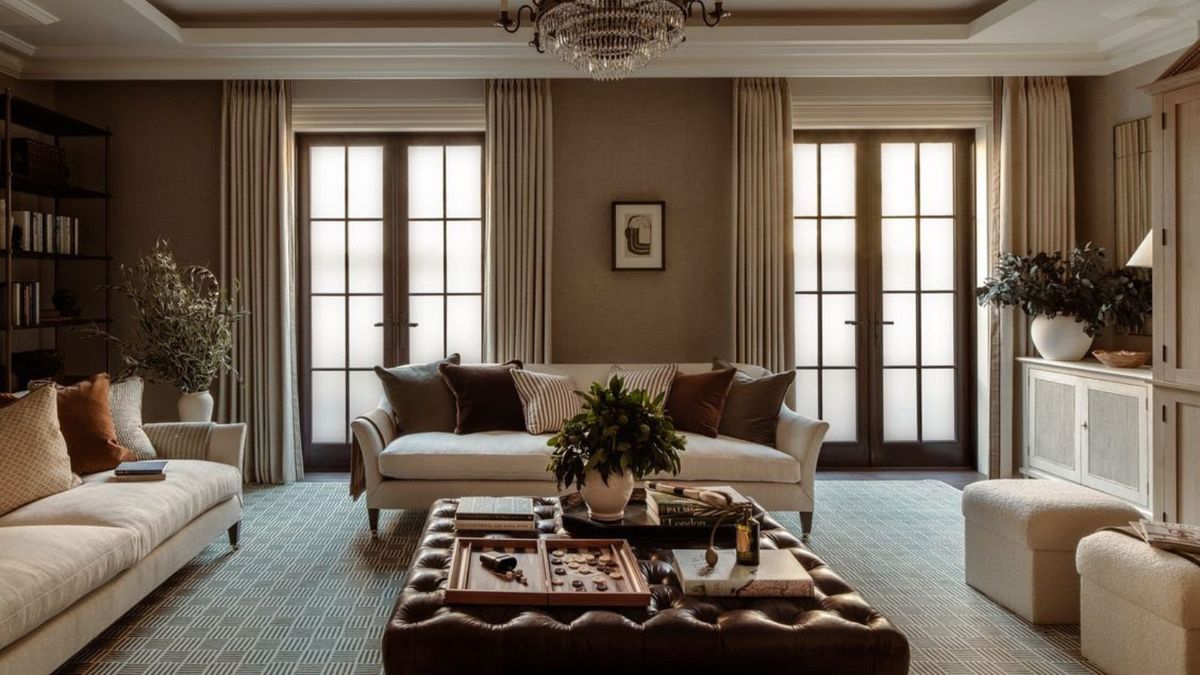
Interior home improvements are often guided by two competing priorities: how a space looks and how well it works in everyday life. While aesthetics tend to drive early design decisions, long-term satisfaction usually depends on functionality. The most successful interiors strike a balance between the two—creating spaces that are visually appealing while remaining practical, durable, and easy to maintain.
Achieving this balance requires thoughtful choices at every stage of the design process, especially when it comes to finishing details.


Why Function and Aesthetics Should Work Together
Design elements that look good but fail to perform can quickly become sources of frustration. Similarly, purely functional solutions that ignore visual impact can leave a space feeling flat or unfinished. Interior improvements are most effective when form and function support one another.
Features that protect surfaces, manage wear, and simplify maintenance can also enhance a room’s overall appearance when integrated intentionally.
Designing With Everyday Use in Mind
Homes are lived in, not just styled. Foot traffic, furniture movement, cleaning routines, and changing needs all place demands on interior spaces. Design choices that acknowledge these realities tend to perform better over time.
For example, wall treatments that provide structure and coverage can help reduce visible wear while adding visual interest. In some interiors, a panelling kit is used to introduce definition to walls, offering both decorative appeal and practical surface protection without overwhelming the room.
Creating Visual Interest Without Sacrificing Practicality
Aesthetic upgrades don’t need to be purely decorative to be effective. Subtle architectural details can elevate a space while serving a clear purpose. Wall features, trims, and surface treatments can help conceal imperfections, protect high-use areas, and create a sense of depth.
When these elements are well-proportioned and aligned with the overall design, they contribute to a cohesive look that feels intentional rather than excessive.
Supporting Long-Term Durability
Durability is a key component of functional design. Interior improvements that withstand regular use reduce the need for frequent repairs or cosmetic updates. This is especially important in busy areas such as hallways, living rooms, and family spaces.
Choosing solutions that combine resilience with clean design lines helps interiors age more gracefully, maintaining their appeal long after installation.
Maintaining Consistency Across Spaces
Balancing function and aesthetics also involves consistency. Repeating similar finishes, profiles, or design logic across rooms helps create visual flow and reduces the risk of spaces feeling disconnected. When practical elements are applied consistently throughout a home, they become part of the design language rather than standing out as purely functional additions.
Final Thoughts
Balancing function and aesthetics in home interior improvements means making design choices that serve both appearance and everyday use. Thoughtful details, durable materials, and well-integrated features help create spaces that look refined while supporting long-term practicality.
By focusing on solutions that perform as well as they look, homeowners can achieve interiors that remain comfortable, attractive, and functional for years to come.