






















![5 Best CFD Brokers for Beginners [UK, 2026]](https://todaynews.co.uk/wp-content/uploads/2026/03/Invest-360x180.jpg)




























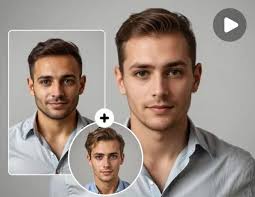
A.I. has quickly transformed how people produce, edit and share digital work. The doors of creativity have been swung even further ajar with the release of AI tools for image generation and smart editing options that were previously reserved solely for those skilled in complex professional software. One of the more interesting, popular special effects people love to talk about is video face swap, where you can place a person’s head on another person in a video while keeping the movements and expressions as realistic as possible.
What was only available through costly tools, professional editors, and hours of personal labor can now happen without having to leave your browser. And this shift isn’t just changing entertainment—it’s shaping marketing, education and social media and digital art. As AI progresses, more realistic, easier to use and widespread the technology of video face swapping has become.


This article delves into what is video face swap technology, its working, the reasons for it garnering such popularity, real-life usages, ethical considerations and how platforms like PixNova AI are paving the path of new age computer vision powered visual content production.
What Is Video Face Swap?
Video face swap sounds like what you are looking for: a technique that changes one person’s face in a video to another person’s while maintaining realistic natural motion, expression and context. In contrast to still image face swapping, video face swapping requires the computation of hundreds or possibly thousands of frames in order to obtain smooth transition and realistic results.
The AI monitors facial landmarks like the eyes, mouth, pose of the head and emotional representations during the whole video. By matching these particulars, the software creates a smooth outcome that seems like their face was always a part of that video. This kind of realism is what separates video face swap from previous visual effects methods.
Behind the Scenes: How Video Face Swap Works
Video face swapping is fundamentally based on deep learning and computer vision techniques. It tends to follow a few main steps:
To begin with, the AI identifies and words the facial structure found in the source video. This extends to recognizing your distinctive features, such the eyes, nose, mouth and jaw-line and indeed the shape of your face. At the identical time, an uploaded face image or video is analyzed in order to determine its proportions and features.
Then the system strips any background from the new face and positions it over the old video frame by frame. Advanced AI models corresponding expressions, lipsync and head movement to synchronize. Lighting and skin coloring are modified via blending methods so that the swapped face blends in as if it was originally part of the scene.
At last, the AI reconstructs those altered frames into an entire video. This whole workflow is now automated through current tools to enable regular users without technical knowledge to simply generate a face swap video via web interface.
Why People Are Doing The Video Face Swap
There are many reasons why video face swapping has suddenly taken off. One of the main causes is the explosion of video content on social media. Short-form videos, reels and clips reward novelty, humor and creativity — all qualities that video face swap really excels at.
Accessibility is another major reason. Many tools using AI are now cloud-based and run your browser, saving you download time or pesky installations. This simplicity of usage broadened its scope to more than just professionals, other casual users now like experiment with creative content.
Boosts to AI accuracy have also been a big factor. The first face swap videos were often marred by jerky motions or visual glitches. The latest AI models, on the other hand, have smoother transitions and more lifelike expressions, with the quality of the final result good enough to be believable (but not necessarily indistinguishable) from a real human image. Video face swapping, then, has gone from being a novelty to an accepted artistic implement.
Applications of Video Face Swap in the Real World
While entertainment still appears to be the most common use case, video face swap has broadened into several applications areas.
Entertainment and Content Creation
Comedians have even used Bilton’s face swapping tech to generate new content such as parody videos, comedy sketches and storytelling experiments. Such videos also tend to get more engagement because they seem new, funny, visually striking.
Marketing and Advertising
Advertisers apply face swap technology to localize video adverts to different regions or target audiences, rather than having to reshoot everything. Through the use of a face or character transplant, brands can personalize campaigns and minimize time and production costs.
Education and Training
Teachers and educators have used video face-swap technology to make educational videos, simulate historical figures for history projects, and liven up lessons. Replacing faceless characters with familiar or recognizable ones can add an extra element of interactivity and efficacy to the lessons.
Film and Pre-Production
Face swap apps are often used by filmmakers in the pre-production stage to test casting options, try creative ideas and see how scenes would play out. This streamlines the process of making creative decisions.
PixNova AI – A Platform For Creativity In The Age Of AI
The new generation online image creating/editing platform offers various features for users. These cover the likes of AI face swapping, image creation, one-click costume swaps, and AI virtual character interactions.
Bringing browser-based simplicity to working with deep learning for images is PixNova AI, saving users time and enabling them to concentrate on creativity instead of tech. Here, users may want to try playing with video face swap, AI processing the photos, or talking with virtual anchors. It brings an easy-to-use but advanced platform suitable for beginners or experienced creators.
Video Face Swap vs Photo Face Swap
While photo face swapping is widely known, video face swapping can provide a more immersive experience that connects with people emotionally. Videos can capture the motion, expression and personality that static pictures cannot.
When it comes to marketing and social media, video content sticks around longer than an image. Which is why the video face swap is an incredibly engaging and impactful tool for creators looking to bring their stories to life. With AI getting better and better, the difference between professional video editing and an online face swap gets smaller.
Ethical Considerations and Responsible Use
With great power comes responsibility. It’s imperative to have consent when pulling the face of someone else, especially if it will be shared widely.
Facial exchange technology should never be used to mislead others, pose as a different person or spread false content. Labelling AI-generated or AI-augmented content gives consumers confidence that it is being used ethically and responsibly. In the right creative, ethical hands, video face swap can continue being a positive force in digital media instead of doing harm.
Variables Which Influence AI Accuracy And The Output Quality
The quality of face swap video heavily depends on the input data. Better results will be available if the images are high quality, well-lit and not obstructed in any way. The AI tracks movements more accurately when it can see clearly visible and emotive faces through videos.
AI models built on varied datasets also perform better across different skin tones, lighting, and facial structures. As training data improves, face swap results are becoming more inclusive and realistic.
The Future of Video Face Swap Industry
The future of video face swapping depends heavily on continued progress in AI. One highly anticipated feature is real-time face swapping during live streams or video calls. This could revolutionize online communication, gaming, and virtual events.
Better resolution support, longer video processing times, and advanced customization options are also expected. Users may gain more control over blending strength, expression intensity, and stylistic effects. With video continuing to dominate digital platforms, tools that reduce production friction will become increasingly valuable.
Why Platforms Like PixNova AI Are Important
Solutions like PixNova AI are vital in the democratization of AI. They bring advanced creative tools to more people via browser-based platforms, eliminating the need for high-end hardware or complex installations.
These tools allow users of all skill levels to experiment with AI-generated creations. Accessible AI-powered tools will increasingly influence how digital media is produced and consumed as demand for content grows.
Final Thoughts
Face swapping videos represent an extraordinary combination of AI and creativity. They empower storytelling, entertainment, education, and experimentation in ways previously unavailable to everyday users. As AI becomes more advanced and accessible, face swap videos will only grow more realistic and creatively versatile.
Easy and flexible platforms like PixNova AI allow creatives to explore AI-powered content creation freely, without technical barriers. Video face swapping is poised to continue leading the way in digital storytelling, transforming how stories are told and experienced online.