


















![5 Best CFD Brokers for Beginners [UK, 2026]](https://todaynews.co.uk/wp-content/uploads/2026/03/Invest-360x180.jpg)



























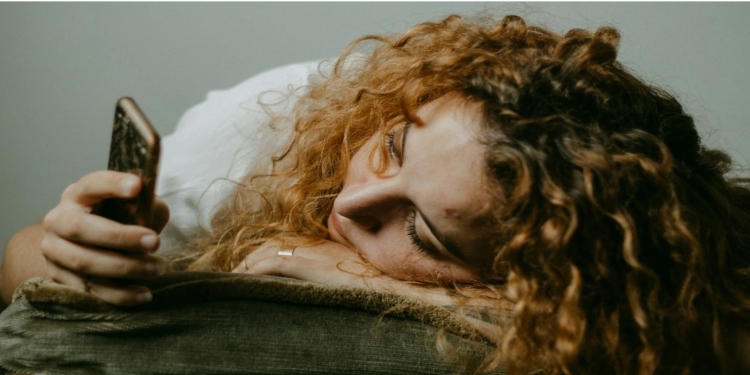
This month Australia banned people under the age of 16 from having social media accounts on the most popular platforms. The government expects a long list of platforms to comply, and the majority of them have already rolled out new restrictions. This puts social media in the same category as things like drinking or mega millions lottery draw tickets, which are banned for sale to under 18s in Australia. So what do you need to know about the ban that is a world first move, and where do things go from here?
This article will take a comprehensive look at what platforms are involved in the ban, what the new rules are and aren’t exactly and what other countries’ governments are thinking about the issue. As well as what tech companies are doing right now to adhere to the ban, or not, and how Australia’s teens have reacted so far.


What is the Ban and What are the New Rules?
The social media platforms named by the Australian government will no longer allow residents of the country under the age of 16 to sign up, and those with existing accounts will have them closed:
- TikTok
- Snapchat
- X (Twitter)
- YouTube
- Twitch
- Kick
- Threads
The government has been clear it won’t be going after or arresting teens who circumnavigate the ban or are missed by new screening procedures. The government’s efforts will be targeted at social media companies and ensuring they enforce the ban.
This is a dynamic list, the Australian government stressed, and if teens migrate in numbers to a platform not covered by the total ban currently, then other sites could be added to the list.
Social media companies that fail to adequately show how they have undertaken compliance with the ban could be fined millions of Australian Dollars. Australian Prime Minister Anthony Alabese wrote an opinion piece this week in which he affirmed his comparison to the age limitations on drinking alcohol or smoking cigarettes.
Age Verification and ID Standards are Not Yet Unanimous as Tech Giants React
Social media companies have been wary of revealing exactly how they plan on detecting underage accounts, because they say that could be exploited by tech savvy teens looking to get around the ban.
Most platforms said they would use a combination of ID checks, account monitoring and the account information already provided to identify under 16s with profiles.
Most major social media platforms including Meta’s Facebook and Instagram have offered teens the option of putting their accounts on a locked pause mode until they turn 16. An estimated several million teens and children are set to be affected by the ban.
Teens who decide to close their account will be able to download photos, videos and other posts they created, before account deactivation.
All the companies on the named list have confirmed to the media they will be following the advice, except Elon Musk-owned X which has yet to publicly comment and the forum Reddit, which is challenging the ban in court.
Will Other Countries Follow a Similar Route?
The confirmation of Australia’s move prompted many other governments around the world to propose similar moves, or return to old proposals on the same lines.
In Europe, Norway and Denmark have both said they will be banning under 15s from having social media accounts in the near term future. In France, president Emanuel Macron has outline a similar proposal – and a parliamentary commission reccomended a platform-side digital time lock on teenage social media use in the evenings and night time.
In the UK, Prime Minister Kier Starmer has refused to rule out a ban. The Government failed to pass a bill on the issue in 2024, but conceded more research was worthwhile and is currently assessing the issue.
Globally, Malaysia and Brazil are among countries bringing in laws on a similar front, with Brazil specifically targeting Meta’s Instagram. The UN has warned that social media needs more regulation in many case, but UNICEF has said that globally the picture is a little different to in rich Western nations. It said social media can be a lifeline for poor, isolated and marginalized children in less developed nations.
In the US, federal action on this front is unlikely. So most moves have been at state level. Religious conservative dominated Utah recently passed a law requiring under 18s to have parental consent to use social media at all. Georgia, Tennessee and Louisiana all recently moved to require parental consent for under 16s, and Virginia passed a law limiting under 18s to just one hour a day.
There is opposition to the Australian ban from both teenagers and parents, as well as some academics and analysts. Many people suggest tech savvy gen z teens could just move to less popular and policed social media sites that ignore enforcement and have even fewer content restrictions. Some teens have already reported bypassing the ban by fooling AI detection software when asked to take a selfie to verify their ages.
Overall though, two thirds of Australians polled recently as supporting the move. It’s too early too tell what the long term consequences will be, but the world will be watching closely to find out.

David Prior
David Prior is the editor of Today News, responsible for the overall editorial strategy. He is an NCTJ-qualified journalist with over 20 years’ experience, and is also editor of the award-winning hyperlocal news title Altrincham Today. His LinkedIn profile is here.