
















![5 Best CFD Brokers for Beginners [UK, 2026]](https://todaynews.co.uk/wp-content/uploads/2026/03/Invest-360x180.jpg)


































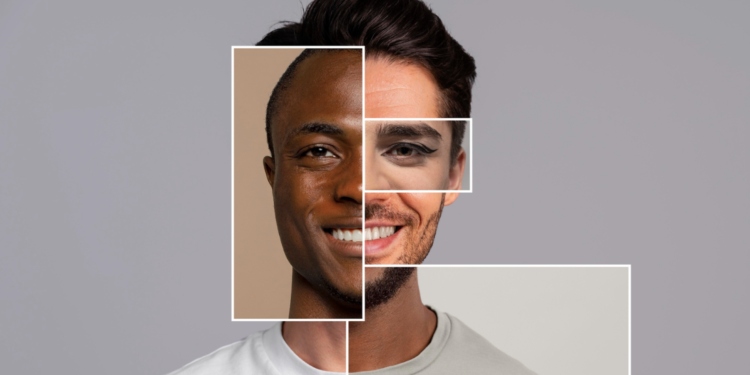
It starts slowly. A feeling that something’s off. You’re still waking up to the same alarm, walking the same streets, wearing clothes that once felt exciting but now seem borrowed from someone else’s past life. Maybe it’s after a breakup, or after moving to a new city, or just waking up on your birthday with an unsettling thought: Is this still me?
And so we do what humans do best – we pivot. We cut our hair. We quit our job. We sign up for language courses or buy expensive notebooks with clean, promising pages. Reinvention becomes our rescue plan. We chase a shinier version of ourselves, a different storyline. But if you’ve ever tried to fully start over, you’ll know this: most reinventions look better in your head than they feel in real life.


Part of the allure lies in how reinvention mimics flight. The promise of escape. You imagine taking off, leaving behind your old routines, your doubts, even your name. And in the digital age, where identity can shift with a username or profile picture, the fantasy feels accessible. That’s why tools and symbols that suggest motion – a minimalist suitcase, a brand-new app, a game like aviator that plays with the thrill of ascent – tend to resonate so strongly. They tap into our desire not just to change, but to lift off. The problem? Reinvention often gives us altitude but not direction. And what goes up with no plan usually comes down hard.
The reinvention cycle: Why we keep trying
Reinvention is rarely about becoming someone new. More often, it’s about trying to escape a version of ourselves we’ve outgrown – or can no longer tolerate. But here’s the catch: we carry ourselves into every new beginning. New haircut, same thoughts. New city, same self-doubt. And after the adrenaline fades, we’re left face to face with the old patterns in a new setting.
So why do we keep trying? Because it does work – at first. Reinvention can spark energy, fuel curiosity, shake us out of inertia. It feels brave. But if it’s not paired with deeper work – reflection, honesty, time – then it’s just a costume. And costumes eventually come off.
Table: Popular reinvention triggers and what they often mask
| Trigger | Common Reinvention Move | What It Feels Like | What It Often Covers Up |
| Breakup | New wardrobe, solo travel | Freedom, revenge glow-up | Loss of identity, fear of being unlovable |
| Turning 30 / 40 / 50 | Career shift, physical makeover | Renewal, taking control | Panic over time, internalized expectations |
| Post-pandemic burnout | Moving cities, deleting social media | Clean slate, digital minimalism | Overstimulation, loss of meaning |
| Creative rut | Changing industries or passions | Fresh start, new purpose | Fear of failure, imposter syndrome |
| Personal loss or grief | Starting “the new me” project | Survival, rebirth | Pain deflection, lack of closure |
The Instagram illusion
Scroll through any social feed and you’ll find endless stories of transformation. Before-and-after photos.”I resigned from my position and relocated to Bali” threads. Clean white kitchens, glowing skin, soft rebrands. What you don’t see is the in-between: the days of doubt, the awkward starts, the moments when the new life feels suspiciously like the old one, just with better lighting.
Social media rewards narrative arcs, not processes. So reinvention often gets flattened into aesthetics. And we – the viewers – absorb this myth: that identity is a product you can buy, apply, or download. The truth is messier.
What actually works (and what doesn’t)
Real change doesn’t usually come with a bang. It comes in quiet hours, unshared decisions, months of boring consistency. Reinvention that sticks tends to grow underneath the surface, not on top of it.
What helps:
- Building habits instead of chasing vibes
- Letting go of “versions” and working with what’s real
- Reflecting on why you’re unhappy, not just where
- Talking to people who’ve seen you across seasons
What usually backfires:
- Radical, sudden moves with no emotional prep
- Treating reinvention as a personality switch
- Expecting external changes to fix internal discomfort
- Copying someone else’s “glow-up” without context
We’re not meant to be static – but we’re not meant to float, either
It’s healthy to outgrow things. To change directions. To evolve. But the expectation that we must constantly reinvent – every job, every breakup, every new year – is exhausting. And unrealistic. You don’t need to become a different person to feel alive. You don’t have to start over every time things get muddy. Sometimes, you don’t need a new identity; you need to dig deeper.
Instead of asking “Who should I become next?” it might be better to ask “What part of me needs more light?” Therein is where the genuine effort and the true wonder commence.

David Prior
David Prior is the editor of Today News, responsible for the overall editorial strategy. He is an NCTJ-qualified journalist with over 20 years’ experience, and is also editor of the award-winning hyperlocal news title Altrincham Today. His LinkedIn profile is here.















![5 Best CFD Brokers for Beginners [UK, 2026]](https://todaynews.co.uk/wp-content/uploads/2026/03/Invest-120x86.jpg)