


















![5 Best CFD Brokers for Beginners [UK, 2026]](https://todaynews.co.uk/wp-content/uploads/2026/03/Invest-360x180.jpg)

































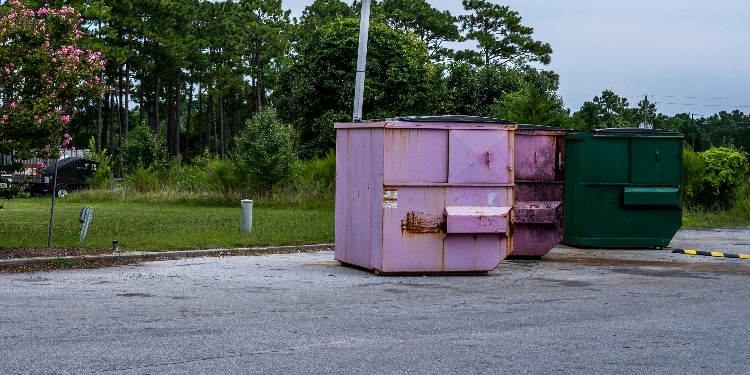
Dumpster placement is often treated as a simple logistical decision made at the start of a construction project. In reality, where and how a container is placed can have lasting consequences for compliance, site efficiency, cost control, and physical risk. Poor placement decisions routinely lead to fines, property damage, restricted access, and avoidable delays that compound as a project progresses. For contractors, thoughtful placement planning is not an administrative detail. It is a practical risk management exercise with direct operational impact.
Understanding placement constraints before the first container arrives helps contractors maintain control over workflow and avoid disruptions that become expensive and difficult to correct once work is underway.


Placement Rules Vary by Location and Must Be Verified Early
Local ordinances govern where dumpsters can be placed, how long they may remain on-site, and whether permits are required. These rules are enforced at the municipal level and can vary significantly even between neighboring jurisdictions. Contractors who assume placement standards are universal often discover violations only after a citation, warning, or removal notice is issued.
Street placement typically requires permits and may be subject to time limits, signage requirements, or restrictions related to traffic flow and pedestrian access. In some areas, dumpsters cannot be placed within a certain distance of intersections, fire hydrants, driveways, or crosswalks. Residential zones may impose additional limitations related to noise, visibility, or duration.
Enforcement is frequently complaint-driven. A blocked sidewalk or narrowed roadway can prompt inspection without warning. Verifying placement rules during pre-job planning reduces the likelihood of forced relocation, which can halt debris-generating work and disrupt schedules immediately.
Site Access and Equipment Movement Must Be Preserved
A poorly placed dumpster can create immediate operational bottlenecks. Containers positioned too close to work zones may obstruct equipment movement, limit staging areas, or interfere with delivery routes. These impacts often become more pronounced as construction progresses and site activity intensifies.
Contractors should consider turning radii for delivery trucks, clearance for forklifts and lifts, crane swing paths, and material staging needs when selecting placement locations. Placement decisions that appear workable during early phases may become problematic once framing, mechanical work, or exterior finishes begin.
Relocating a container mid-project introduces downtime and coordination challenges. Crews may need to pause work, delivery schedules may shift, and additional service charges may apply. Strategic placement anticipates these shifts rather than reacting to access problems after they emerge.
Protecting Surfaces and Preventing Property Damage
Dumpster placement carries physical risk, particularly on finished or semi-finished surfaces such as asphalt, concrete, decorative paving, or curbs. Containers placed without protective measures can crack pavement, leave gouges, or cause subsurface damage that may not be immediately visible.
Responsibility for surface damage often falls on the contractor, not the waste provider. Repairs to driveways, sidewalks, or curbing can exceed the cost of the dumpster rental itself, turning a minor oversight into a significant expense.
Using protective boards, selecting stable ground, and avoiding placement near edges, slopes, or unsupported surfaces are practical steps that reduce damage risk. These measures also demonstrate due diligence if disputes arise with property owners, municipalities, or clients.
Weight Distribution and Ground Conditions Matter
Ground conditions play a critical role in safe and effective dumpster placement. Soft soil, recently backfilled areas, or poorly compacted surfaces can shift under the weight of a loaded container, creating safety hazards and access issues.
Seasonal factors such as rain, snowmelt, or freeze-thaw cycles further complicate placement decisions. A container placed on firm ground during dry conditions may become unstable after heavy rainfall. Uneven settling can make dumpsters difficult or unsafe to service, delaying hauls and forcing corrective action.
Contractors should evaluate load-bearing capacity, drainage patterns, and soil conditions when selecting placement areas. Accounting for ground conditions upfront reduces the likelihood of service interruptions tied to access or safety concerns.
Operational Flow and Trade Coordination
Dumpster placement directly affects how trades interact with the site. Containers placed too far from work zones increase labor time spent moving debris, while those placed too close can interfere with active tasks or inspections.
Early demolition phases may justify closer proximity to work areas to maintain productivity. As projects move into framing, mechanical, or finish stages, placement may need to shift to minimize disruption and protect completed work. Failing to adjust placement as the project evolves often results in inefficiencies or conflicts between trades.
Planning placement with trade coordination in mind supports smoother daily operations. It also reduces the temptation for crews to create informal debris piles when dumpsters are inconveniently located.
Compliance Beyond Placement Location
Placement compliance extends beyond physical location. Local rules may regulate how dumpsters are marked, covered, or secured. Overflowing containers, uncovered debris, or missing signage can trigger citations even if placement itself is permitted.
Contractors are typically responsible for maintaining compliance throughout the rental period. This includes monitoring fill levels, scheduling timely hauls, and ensuring containers remain in approved configurations.
Failing to manage these details can result in fines, forced service interruptions, or strained relationships with inspectors and property owners. Ongoing compliance monitoring is just as important as initial placement approval.
Scheduling and Timing Considerations
Dumpster placement is closely tied to scheduling decisions. Delivery and pickup windows may be restricted by local noise ordinances, traffic patterns, or permit conditions. Missed service windows can delay debris removal for days rather than hours, particularly in dense urban areas.
Contractors benefit from aligning dumpster service schedules with peak debris generation periods. This minimizes the time containers remain on-site and reduces exposure to complaints, enforcement action, or operational congestion.
Short-term projects, in particular, require precise timing. Placement decisions that delay service by even a day can have outsized impacts on compressed schedules.
Coordinating Placement with Waste Providers
Effective placement planning benefits from coordination with experienced waste providers familiar with local requirements. Providers can advise on optimal placement, identify permit needs, and flag potential access issues before containers are delivered.
Industry discussions increasingly point to centralized coordination through platforms such as Waste Removal USA as a way for contractors to standardize placement practices across multiple sites while still accounting for local constraints. Centralized oversight helps reduce variability, improve compliance consistency, and simplify coordination for contractors managing multiple projects.
The key is integrating placement planning into overall site logistics rather than treating it as a standalone task addressed at the last minute.
Common Placement Mistakes to Avoid
Recurring placement errors include blocking access routes, ignoring permit requirements, placing containers on unprotected or unstable surfaces, and failing to adjust placement as projects progress. These mistakes often stem from time pressure or assumptions based on past projects rather than site-specific evaluation.
Another common issue is unclear responsibility. When no one is accountable for placement decisions, problems tend to persist until they trigger enforcement action or operational failure.
Establishing clear ownership, review processes, and documentation helps prevent these avoidable disruptions and keeps placement decisions aligned with project needs.
Placement Planning as a Risk Management Tool
Dumpster placement planning should be viewed as part of a broader risk management strategy. Poor placement introduces regulatory risk, safety risk, financial risk, and schedule risk. Thoughtful placement reduces exposure across all of these areas.
Contractors who consistently plan placement with compliance, access, and operational flow in mind experience fewer interruptions and less reactive problem-solving. Over time, this discipline contributes to more predictable project execution and stronger client relationships.
Dumpster placement planning is a foundational element of construction site management that directly affects compliance, safety, and operational efficiency. Poor placement decisions create fines, damage, and bottlenecks that are costly to correct after the fact.
For contractors, approaching placement as a strategic planning exercise rather than an afterthought reduces risk and supports smoother project execution. Thoughtful placement decisions, informed by local rules and site conditions, help keep construction sites moving without unnecessary interruptions.
















![5 Best CFD Brokers for Beginners [UK, 2026]](https://todaynews.co.uk/wp-content/uploads/2026/03/Invest-120x86.jpg)