![Best ReactJS Companies in Poland for Scale-Ups [2026 Review]](https://todaynews.co.uk/wp-content/uploads/2026/04/Man-Data-Coding-360x180.jpg)



















![5 Best CFD Brokers for Beginners [UK, 2026]](https://todaynews.co.uk/wp-content/uploads/2026/03/Invest-360x180.jpg)


























Before you are a shop owner, you must have encountered this question: it shows a sinking feeling when you buy a blazer online, and it looks perfect from the front—until you put it on and realize the back bunches up weird.
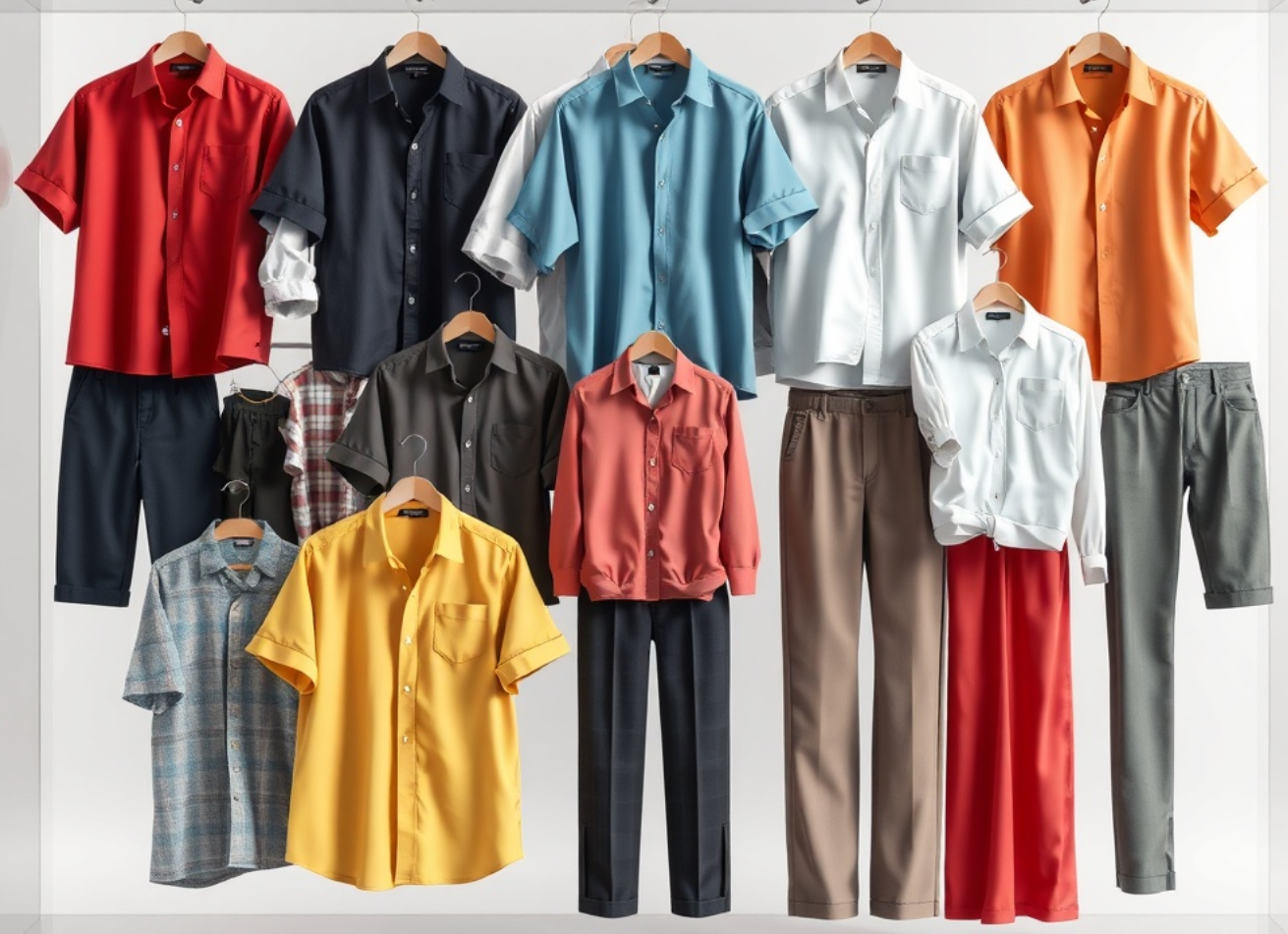
Most online clothing photos show you one to two angles. Maybe three if you’re lucky. But clothes aren’t flat. Bodies aren’t flat. And that gap between what you see and what you get? Therefore, your shoppers returned it.


Then, how to address it? Maybe you have the answer–3D. Some AI tools have made it. Pic Copilot’s virtual try-on is such one; it doesn’t just swap outfits on a model. It generates 360° virtual try-on views that shoppers can actually rotate and inspect—like walking around a mannequin in a real store. Now, have a quick look at this article, getting to know the 3D benefits and how virtual try-on creates a 3D picture.
Why You Should Give Up 2D Displays?
Traditional 2D product photos come with limits. A single front-facing image can’t show key details like how the seams sit, how the back fits, or how the fabric drapes from the side. Because shoppers only see one angle, they often build expectations in their minds—and those expectations don’t always match the real product. That gap between what they think they’re buying and what arrives in the mail leads to confusion, disappointment, and higher return rates. Many returns happen not because the item is bad, but because 2D images didn’t give shoppers enough information to make a confident choice.
Why does 3D Display Better?
3D display provides shoppers with a much better buying experience. Instead of only seeing the front of a product, they can turn it, look at the back, and check every side. This makes the item feel more real, almost like they are holding it in a store. The interactive view helps shoppers understand how the clothes fit, how the fabric sits, and what the details look like up close. Once people can see more details, they trust more. They feel sure about what they are buying, and they are less afraid of getting something that looks different in real life. For online stores, trust means more happy shoppers and fewer returns.
The Rise of Virtual Try-On
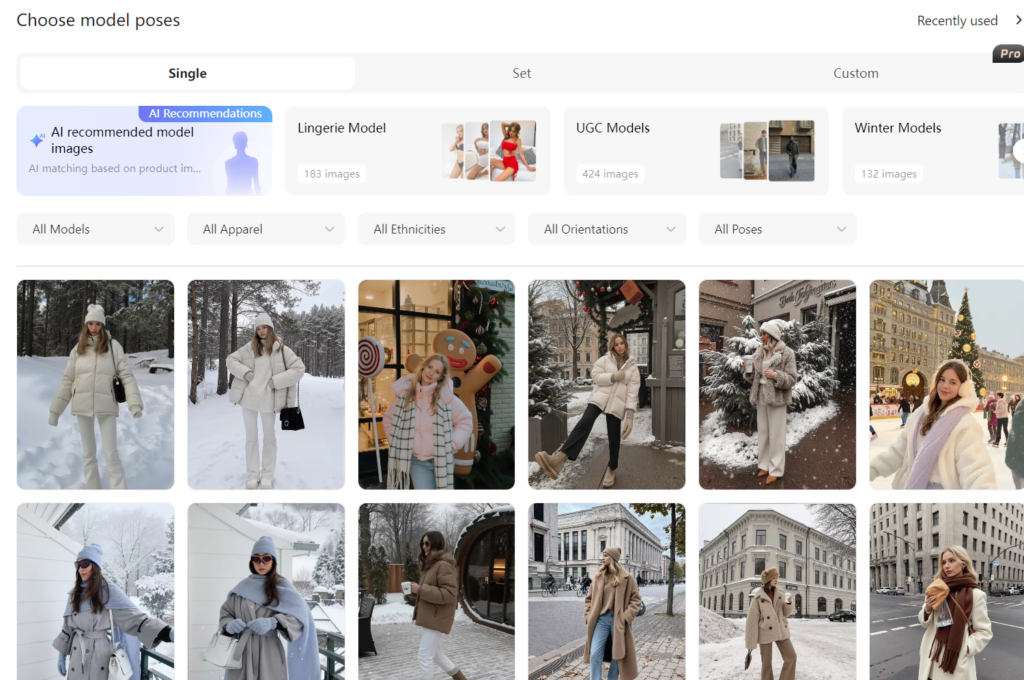
Virtual try-on tech is changing how people shop online. Pic Copilot is an easy tool that enables shoppers to see clothes on an AI model. You just upload your product photo, pick a model, and the tool shows the item on that model in seconds. No need for a studio, real models, or big photo shoots. It works with shirts, pants, dresses, coats—pretty much anything. For many online stores, it’s a simple way to show products in a more real and helpful way.
Shoppers can spin the model around and see the front, back, and sides. It feels more like looking at a mannequin in a real store. Pic Copilot also lets you choose different poses for the model, so shoppers can see how the clothes look when standing, turning, or moving a little. This makes the fit feel even more real and helps people feel sure about what they are buying, instead of guessing from one flat photo.
The Future of Online Shopping
The future of online shopping is all about clearer, more real, and more interactive views. As 3D tools keep improving, clothes will look more natural, models will feel more real, and pages will load faster. Shoppers will be able to see outfits, switch colors, and even watch how fabric moves. And it’s not just clothing—3D is now used for shoes, bags, furniture, glasses, and more, giving people a better sense of size and fit. For online stores, this means fewer returns, more trust, and a shopping experience that feels closer to being in a real store. Shops that use 3D early will stand out and win more buyers.
The Bottom Line
Buyers don’t trust what they can’t see from a 2D picture. That’s why they zoom in on fabric texture and comb through reviews for clues like “runs small” or “strange armholes.” A 3D try-on closes that gap by showing the front, back, sides, and every detail before they commit.
When shoppers can see the full picture, you’re not just selling clothes—you’re selling confidence. And confident buyers don’t return items. If you’re on a budget, you can try Pic Copilot and see how many clicks turn into purchases.














![Best ReactJS Companies in Poland for Scale-Ups [2026 Review]](https://todaynews.co.uk/wp-content/uploads/2026/04/Man-Data-Coding-120x86.jpg)