





















![5 Best CFD Brokers for Beginners [UK, 2026]](https://todaynews.co.uk/wp-content/uploads/2026/03/Invest-360x180.jpg)





























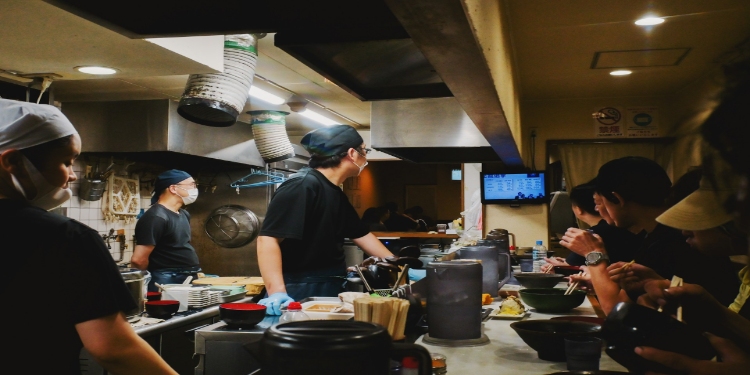
Across the UK, food businesses are facing increasing pressure to operate more responsibly. Rising energy costs, tighter environmental regulations and changing public expectations are pushing restaurants, takeaways and catering services to reconsider how they manage everyday operations. Waste has become a key focus.
Why waste management has become a business issue
Waste is no longer just an environmental concern. It directly affects costs, compliance and reputation. Improper handling of by-products can lead to fines, inefficiencies and operational disruptions. At the same time, customers are paying closer attention to how businesses operate behind the scenes. Transparency and responsible practices increasingly influence where people choose to spend their money, especially in the food sector.


The role of structure in daily operations
Busy kitchens rely on clear systems to function smoothly. When processes are poorly organised, waste tends to increase. Staff lose time, storage areas become cluttered and hygiene standards are harder to maintain. Establishing clear routines for handling by-products helps teams stay focused on service quality rather than constant problem-solving. It also reduces the risk of mistakes that could affect health and safety.
Turning unavoidable by-products into managed resources
Some types of waste are unavoidable in food preparation, but how they are handled makes a significant difference. This is where services such as used cooking oil collection come into play. Instead of being treated as a nuisance, these materials can be removed efficiently and managed in a controlled way. When collection is scheduled and reliable, it supports cleaner kitchens and reduces the burden on staff.
Environmental responsibility and long-term thinking
Sustainability is no longer limited to large corporations. Smaller food businesses are increasingly aware that responsible waste management contributes to wider environmental goals. By ensuring that by-products are handled correctly, businesses can reduce pollution risks and support recycling or repurposing processes. These actions may seem small individually, but collectively they play a role in reducing environmental impact across the sector.
A shift in how professionalism is defined
Modern professionalism in hospitality goes beyond customer service and menu quality. It includes how a business manages its resources, treats its staff and complies with environmental expectations. Efficient waste systems reflect a broader commitment to responsible operations. They also signal to partners, inspectors and customers that the business takes its role seriously within the community.
Building resilience through smarter practices
As the food industry continues to evolve, businesses that adopt structured and responsible practices are better prepared for future challenges. Clear waste management processes, supported by companies such as Quatra, help reduce stress, improve organisation and support compliance. In a competitive and highly regulated environment, these behind-the-scenes decisions increasingly shape long-term success.

David Prior
David Prior is the editor of Today News, responsible for the overall editorial strategy. He is an NCTJ-qualified journalist with over 20 years’ experience, and is also editor of the award-winning hyperlocal news title Altrincham Today. His LinkedIn profile is here.