






















![5 Best CFD Brokers for Beginners [UK, 2026]](https://todaynews.co.uk/wp-content/uploads/2026/03/Invest-360x180.jpg)




























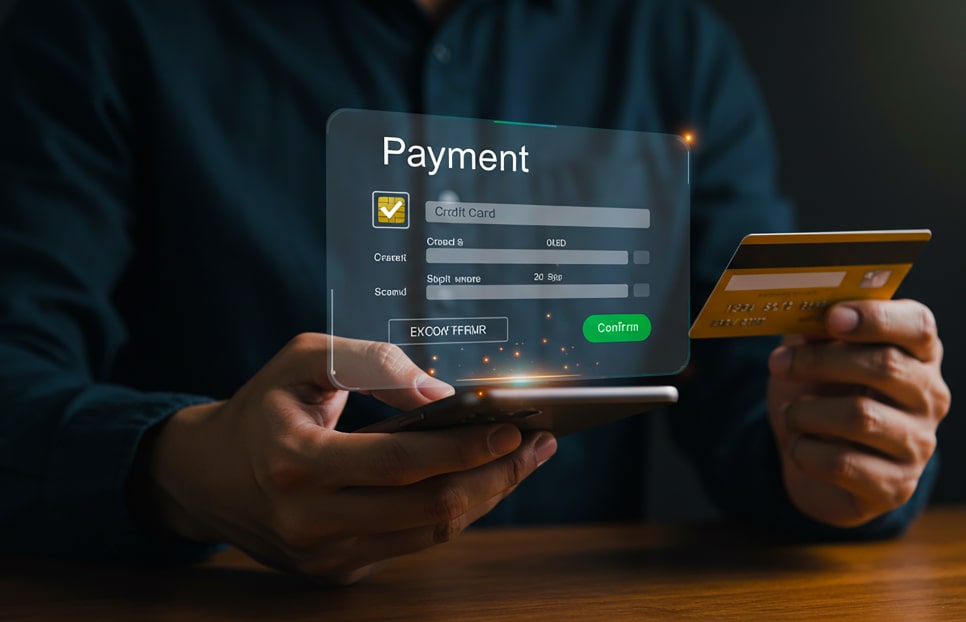
In light of increased instances of cyber attacks and data breaches, trust frameworks become a crucial business strategy. Payments move across a complex, orchestrated ecosystem, which is difficult to track or constantly verify. They pass through multiple processors, service providers, banks, and merchants. Every single party in the transaction route is implicitly trusted to verify identities and safeguard sensitive customer data. The practice of payment authentication ensures that each stakeholder partaking in a payment flow is authorised to do so.
Made essential by phishing scams and credential theft, trust frameworks have evolved in the form of multi-layered security models. These models combine identity verification, transaction security, and real-time risk tracking to monitor for discrepancies.


Most Crucial Trust Frameworks for Digital Payment Authentication
The core framework essentials that maintain operational integrity and safeguard customer data in digital payment authentication interactions are as follows:
1. Identity Authentication Frameworks
As the primary trust layer, these frameworks ensure that the individual initiating a transaction truly is who they claim to be. It calls into question the accuracy of a customer or user’s identity. Verification of the user’s identity is the first step in investigating the legitimacy of the payment process. It helps track deviations throughout the chain. They involve:
- Sourcing identity proof of the user
- Verification through facial recognition and biometrics
- Authentication of credentials
- Secure login processes
The identity of a user is verified through a number of documents or authentication methods. KYC or eKYC, ID submissions, and multi-factor authentication, like the commonly known two-factor authentication via One-Time Passwords, are some of the popular methods.
2. Payment Security Frameworks
In order to prevent fraud or interception of user data, payment security frameworks employ tokenisation and encrypted messaging. Authentication of cardholders is common before user data moves through multiple channels. Compliance of intermediaries ensures that sensitive data is protected and reliably transferred across networks and borders.
These processes involve:
- End-to-end encryption
- The use of EMV
- Tokenisation
- 3-D secure protocols
3. Device Security
Designed to ensure that digital payments originate from a legitimate, verified source, device security protocols are crucial. They authenticate whether the hardware being used is safe and untampered with. Additionally, they protect the biometric data of the user, private passkeys, and run environment checks to detect any signs of attack.
Wi-Fis, wearables, and smartphones have grown increasingly susceptible to breaches. Incidentally, they are also the most common direct or indirect payment channels used for digital transactions. Device integrity combats cloning or malware attacks that hackers use to authorise fraudulent transactions. Some of these frameworks are:
- Binding of hardware
- Fingerprinting the device
- Use of cryptographic certificates for device attestation
- OS integrity checks to check for corruption in files
4. Risk-Based Intelligence Frameworks
Certain frameworks have been designed to spot irregularities, even when the device and identity checks seem appropriate. They run analyses in real-time to analyse the behaviour of the user, single out anomalies, track orders, and transaction histories. This dynamic evaluation of data helps identify high-risk activity. It involves:
- Assessments of transaction context
- User behaviour analyses
- Feeds of contextual threat intelligence
- Detection of anomalies in real time
- Risk profiling and velocity checks
- Friction scoring
- Continuous session monitoring for unusual activity
This set of frameworks establishes data-driven trust for subsequent transactions and ensures effective payment authentication.
5. Regulatory and Compliance Guidelines
In order to strengthen the integrity of payments and protect customers, regulatory frameworks have been set up. Mostly implemented in the form of incident reporting and alignment with privacy regulations, they strengthen customer authentication. They involve:
- Compliance with the data protection acts of governments
- Guidelines by the PCI Security Standards Council
- Reporting and audit to reflect regulatory compliance
- Oversights to demonstrate compliance by vendors, third parties, and merchants
How Framework Compliance for Digital Payment Authentication Benefits Businesses
Digital payment authentication directly ties in with the long-term interests of an enterprise. Secure payments that comply with regulatory frameworks ensure data safekeeping and a seamless customer experience. They boost your business’s image and reputation as a legitimate and trusted organisation. Here are a few more benefits businesses gain from framework compliance
1. Data Analytics and Insights
Through data analytics and insights leveraged by trust frameworks, businesses are able to collect real-time data on several parameters. Tracking patterns of suspicious activity or efficiency in operations helps businesses optimise payment processes and plan for increased security in the long term.
2. Reduction in Fraudulence
Application and adaptation of authentication methods allows for early identification of high-risk behaviour. As a result, stronger verification protocols can be put into place. This reduces the vulnerability of your customers when making digital payments. Fraudulent behaviour can be flagged in the early stages to reduce financial loss.
3. Improved Customer Satisfaction
When customers face safe, protected payment experiences, they feel confident to trust your organisation or business. Compliance with regulatory frameworks reduces risk during transactions. They also reduce friction in the user experience by enabling smooth exchanges for authenticated users, increasing customer satisfaction with your services.
4. Organisational Trust and Efficiency
An organisation that is successful in maintaining sensitive customer data and combating cyber attacks gains credibility with customers. Secure payment intermediaries streamline operations and ensure your business team can focus on things other than fraud remedies. It encourages repeat usage and uplifts your brand as an authentic, reliable one.
Conclusion
An absence of trust frameworks exposes users to unethical cyber practices. It makes their data vulnerable to exploitation and theft. When businesses take such frameworks lightly, it has a significant impact on their legitimacy as a trustworthy organisation.
The Reserve Bank of India has introduced fresh guidelines that make multi-factor authentication a mandatory requirement. These are to be implemented by April 2026. By making security checks more stringent, it has enhanced safeguards for digital payments. Well-monitored transactions and the absence of deviations in digital payments relieve users as well as businesses. A commitment to authenticity reflects a commitment to a customer-first approach.