




















































Standing in front of the confectionary aisle, we are often overwhelmed by shiny packaging and promises of flavour that all seem the same. Yet, a single mindful bite is enough to realise that there is a vast sensory gulf between a mass-produced chocolate bar and an artisanal product.
Chocolate is not merely a quick sugary snack: it is a complex good, the result of a supply chain that demands meticulous care, from the plantation all the way to the final wrapping. Learning to recognise quality means beginning to taste with intention. A striking example of how dedication to raw ingredients makes all the difference can be found by looking at truly exceptional products. For those seeking a premium standard, Venchi’s luxury chocolate bars represent a perfect model of transparency and flavour, embodying the philosophy of a company that, since 1878, has carried forward the Piedmontese tradition with innovation and deep respect for the origins of cocoa.


But what are the technical details that separate an average product from an extraordinary one? Let’s explore them together.
The concept of “Terroir”: when cocoa tells a story
To understand the value of what we are tasting, we must first look as its geography. Industrial chocolate tends toward standardisation: cocoa beans are blended indiscriminately to produce a uniform flavour, identical year after year. High-quality chocolate, on the other hand, follows the same logic as fine wine: it elevates the terroir.
Single-origin bars are made with cocoa from a single region or even a single plantation. This is crucial because the soil, climate and sun exposure give the beans unique aromatic profiles. A Peruvian cocoa often reveals delicate hints of honey and wildflowers, while one from Ecuador might surprise you with earthy nuances and hints of tobacco. Recognising quality means seeking labels that specify the origin, turning each tasting into a geographical journey worth discussing and sharing.
The invisible science: fermentation and roasting
If origin is the soul of chocolate, its processing is its character. Many people are unaware that the flavour of chocolate does not come to life in the factory, but during the fermentation of the beans in the countries where they are grown. In the case of mass-produced products, this crucial phase can be managed differently to optimise time and costs. As a result, the natural flavour profile may require the addition of sugars and flavorings to achieve the sweet, rounded taste appreciated by the general public.
Excellence, on the other side, lies in respecting the proper timing. Correct fermentation develops the aromatic precursors that will later be enhanced by a gentle roasting. A quality chocolate should never have a burnt taste – a clear sign of excessive roasting – but it should instead retain a clean and well-defined bouquet. Always read the ingredient list, which should be short: cocoa mass, cocoa butter, sugar and natural vanilla (from the pod).
The taste of the senses: tempering, snap and smoothness
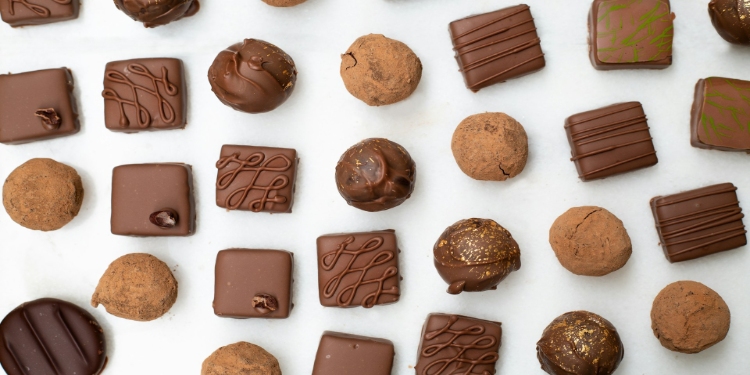
The final verdict, however, belongs to your senses. The chocolatier’s craft expresses itself in the tempering – the process of crystallising the cocoa butter. A well-tempered bar appears glossy, smooth and free from whitish streaks. Try breaking off a square close to your ear: the sound should be a sharp, clean snap. If the chocolate bends or crumbles silently, the crystalline structure is not perfect.But the true and ultimate test takes place on the palate: high-end chocolate, rich in real cocoa butter, beings to melt immediately at body temperature, coating the mouth with a velvety texture that is never grainy and leaving a long, pleasant aromatic finish. It is in this very moment that you realise you have found true gastronomic luxury.

David Prior
David Prior is the editor of Today News, responsible for the overall editorial strategy. He is an NCTJ-qualified journalist with over 20 years’ experience, and is also editor of the award-winning hyperlocal news title Altrincham Today. His LinkedIn profile is here.