





















![5 Best CFD Brokers for Beginners [UK, 2026]](https://todaynews.co.uk/wp-content/uploads/2026/03/Invest-360x180.jpg)































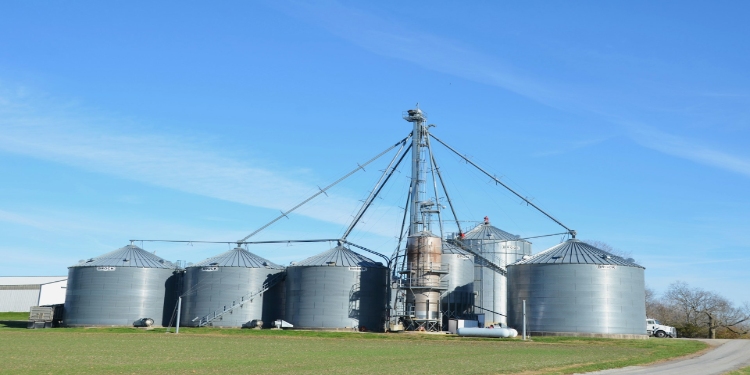
Efficient and safe agricultural storage is critical for maintaining the quality and value of harvested crops. In today’s rapidly changing environment, farmers and stakeholders face increasingly complex hurdles when it comes to grain storage and other agricultural products. Climate variability, technological advancements, and evolving regulations have all redefined what it takes to run a successful storage operation. Addressing these challenges is crucial to support both sustainability and food security on a global scale.
Climate impact and preservation
One of the most pressing issues facing agricultural storage today is the growing impact of climate change. Unpredictable weather patterns, higher humidity, and fluctuating temperatures are making it more difficult to maintain proper storage conditions for crops such as grains, fruits, and vegetables. These changes increase the risk of spoilage, pest infestation, and overall loss in product quality, even in modern facilities.


In response, storage managers are updating their facilities with improved insulation, ventilation systems, and climate control technologies. For example, temperature and humidity monitoring sensors allow for real-time adjustments, minimizing losses and maintaining the nutritional value of stored crops. Using sealed and aerated storage systems further helps to mitigate the effects of mold and pests, extending the shelf life of agricultural products while reducing waste.
Technological advances and digital transformation
In recent years, digital transformation has brought about significant advancements in agricultural storage management. Sophisticated monitoring systems can now track essential conditions inside storage structures, such as moisture content and CO2 levels. These data-driven solutions enable early detection of issues, preventing large-scale spoilage and helping producers optimize inventory flow and capital investment.
Another example is the use of automation and robotics, which allow for more precise control in processes like aeration, drying, and movement of stored crops. Automated systems also streamline labor-intensive tasks, helping address workforce shortages and improving operational efficiency. While adoption of these tools requires upfront investment, the long-term benefits to product security and reduced manual labor are substantial.
Regulatory compliance and safety standards
Storage facilities are also challenged by tightening regulatory requirements surrounding food safety, traceability, and environmental impact. Rules now often mandate thorough record-keeping, testing for contaminants, and rigorous pest control measures. These policies are designed to not only protect consumers but also ensure that products retain their market value across borders.
To meet these evolving standards, operators are investing in staff training and third-party audits. Implementation of management systems that document each phase of crop storage, from intake through dispatch, is increasingly standard practice. Technological integration assists by automating documentation, thus reducing the administrative burden and ensuring consistency in compliance with national and international protocols.
Sustainable practices and future trends
Agricultural storage systems are gradually shifting towards more sustainable models. There is an increasing focus on reducing energy consumption, implementing renewable energy sources, and cutting greenhouse gas emissions. For example, solar panels are being installed on storage facilities to power lighting, ventilation, and climate control equipment. Insulating materials made from recycled products are also gaining traction, contributing to resource efficiency and reduced environmental impact.
Furthermore, stakeholder collaboration is becoming more common in addressing large-scale storage challenges. Cooperative storage hubs, where resources and knowledge are pooled, provide access to advanced technology and infrastructure that might otherwise be unavailable to individual producers. These collective efforts support food system resilience and contribute to fairer market conditions for smaller-scale farmers.

David Prior
David Prior is the editor of Today News, responsible for the overall editorial strategy. He is an NCTJ-qualified journalist with over 20 years’ experience, and is also editor of the award-winning hyperlocal news title Altrincham Today. His LinkedIn profile is here.