




















































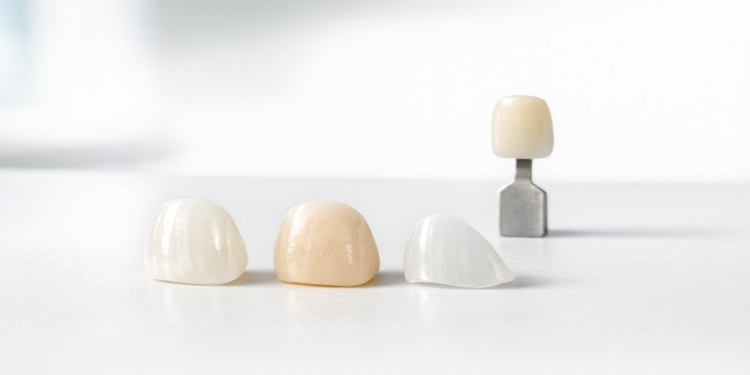
Dental veneers offer a reliable way to address a range of cosmetic concerns, from chips and gaps to severe discolouration. Choosing between different types of dental veneers can influence aesthetics, maintenance needs, and long-term satisfaction. Knowing which option suits your needs will help you achieve an improved and suitable result for your smile.
Today, veneers remain a frequent choice in cosmetic dentistry. The choice of material and technique can affect your teeth’s appearance, comfort, and future dental health. Veneers can cover issues like stains, uneven edges, or minor misalignments and are crafted to match the natural look of existing teeth. When considering treatment options, veneers London refers to clinics and information resources relevant to the area and subject.


Addressing common concerns and realistic limitations
Dental veneers are thin, custom-made shells that bond to the front surface of teeth. They are used to address cosmetic concerns such as chips, cracks, mild misalignment, gaps, and deep discolouration that does not respond to whitening methods.
However, it is important to understand their limitations. Veneers cannot correct large structural issues, replace missing teeth, or resolve complex orthodontic problems. They are generally used when teeth and gums are healthy and can be maintained.
Patients should also be aware that placing veneers involves changes to the tooth surface. As a result, the process is not always fully reversible. Good oral hygiene habits and regular dental check-ups remain essential after the veneers are fitted.
Comparing porcelain, composite, and minimal-prep options
Porcelain veneers are valued for their natural translucency, lifelike appearance, and typical resistance to stains. These veneers are crafted in a dental laboratory and usually require two visits for preparation and final fitting. Many people select porcelain because of its strength and aesthetic benefits.
With proper care, porcelain veneers often last between ten and fifteen years. They do require some reduction of the enamel and tend to maintain their colour and structure over time. Careful oral hygiene and follow-up contribute to their typical lifespan.
Composite veneers use a different approach. These are made from tooth-coloured resin applied directly to the teeth, sculpted by hand, and hardened with a special light. The material is less hard than porcelain, so composite veneers are usually less expensive and can be completed in one visit.
Composite veneers generally last five to seven years and may be more prone to staining from coffee, tea, or tobacco. Repairs and adjustments to composite veneers can often be made during routine appointments.
No-prep and minimal-prep veneer options are available for suitable cases and use ultra-thin shells that often require little to no enamel removal. These choices preserve more of the original tooth structure and are often suitable for minor aesthetic changes.
While minimal-prep veneers reduce some risks associated with traditional treatments, they are not suitable for all cases. Suitability depends on tooth alignment, bite, and the desired cosmetic result. A dentist Leighton Buzzard may offer professional guidance on consultation and appropriateness for these veneer options.
Clinical and lifestyle influences on veneer selection
Your individual dental characteristics can influence the suitability of a particular veneer type. Factors such as how your teeth meet, the presence of teeth grinding (bruxism), and the health of your gums play important roles in determining the most suitable material and approach.
If you have weakened enamel, tight bites, or gum problems, certain veneer options may provide improved longevity and resilience. Teeth that experience significant wear or biting stress may be better suited to materials that are more durable under pressure.
Lifestyle choices also affect long-term results. Habits such as nail biting, chewing ice, or using teeth as tools can increase the risk of chipping or damaging veneers. Limiting foods and drinks that cause staining will help composite veneers maintain their appearance, while porcelain veneers are generally less likely to discolour.
Individuals with consistent dental hygiene and professional care typically enjoy more durable results from their veneers. Open discussion about habits and expectations helps your dentist recommend the treatment most likely to meet your needs.
Best practices for ongoing maintenance and patient questions
Maintaining your dental veneers starts with good oral hygiene, including careful brushing twice a day and daily flossing. Non-abrasive toothpaste is recommended to avoid damaging the edges or finish of the veneers, and regular check-ups will help catch any issues early.
Dietary choices, such as limiting strong pigments found in coffee, tea, or red wine, can help prevent staining, especially for composite materials. Wearing a protective mouthguard during sports or teeth grinding can also extend the life of your restoration.
Patients often ask about how long veneers will last, whether the process can be reversed, if sensitivity will develop, and how repairs are managed. Dental professionals generally note that porcelain and composite veneers can last for several years, but the actual longevity depends on oral care and lifestyle habits.
Shade and shape choices are typically made using digital planning or model previews to ensure results match your expectations. Understanding these aspects allows you to make informed decisions about your dental aesthetics.

David Prior
David Prior is the editor of Today News, responsible for the overall editorial strategy. He is an NCTJ-qualified journalist with over 20 years’ experience, and is also editor of the award-winning hyperlocal news title Altrincham Today. His LinkedIn profile is here.