





![7 Best POS Software in the UK [2026 Edition]](https://todaynews.co.uk/wp-content/uploads/2026/02/7-Best-POS-Software-in-the-UK-2026-Edition-360x180.png)










































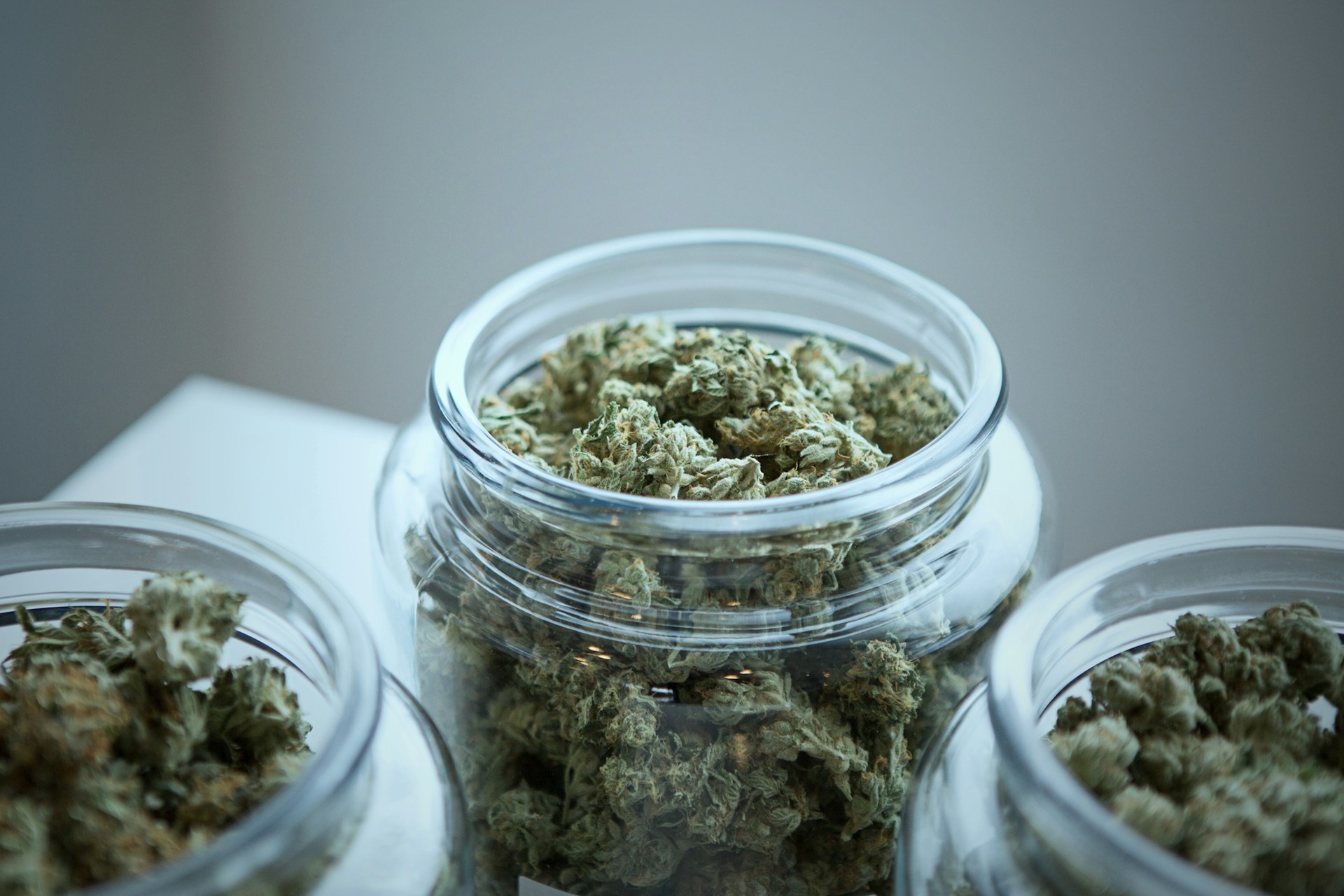
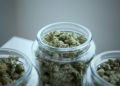
Cannabis occupies a unique and often contradictory position in the United Kingdom. While it is illegal for recreational use, it remains the most widely consumed illicit drug in the country. Cannabis comes in many forms, including dried flower, hash, oils, tinctures, edibles, capsules, and CBD wellness products. Modern consumption methods such as dry herb vaporizers for smoking flowers and dab pens for concentrates have become increasingly popular, offering a discreet and efficient alternative to traditional smoking. At the same time, CBD oils, gummies, topicals, and infused beverages are widely marketed as wellness products.
In 2026, the cannabis landscape in the UK is shaped by a mix of long-standing prohibition, cautious medical reform, and evolving public attitudes. Smoking remains the most common method of consumption, but technological advancements and product innovation are changing how people interact with cannabis. Private medical clinics are slowly expanding access to prescribed cannabis, while over-the-counter CBD products have entered mainstream wellness culture. The result is a confusing and often misunderstood system that requires careful navigation, as mentioned in this research.


Understanding the current reality requires looking at the law, the data, and how people actually interact with cannabis in everyday life. This 2026 update breaks down recreational legality, medical access, enforcement trends, product categories, and safer consumption methods so you can clearly understand where the United Kingdom stands today.
Legal Status of Cannabis in the UK
Cannabis is classified as a Class B drug in the UK. This means that recreational use, possession, cultivation, and distribution are illegal. Penalties can be severe: possession can lead to up to 5 years in prison, an unlimited fine, or both. Supplying or producing cannabis can carry a sentence of up to 14 years.
Medical Cannabis Access
Medical cannabis was legalized in 2018, but access remains extremely limited through the NHS. Only a small number of patients with specific conditions such as severe epilepsy, chemotherapy-induced nausea, or multiple sclerosis pain are eligible. Most patients rely on private clinics, which can be expensive. Products prescribed legally include oils, capsules, and some dried flowers, but access to high-quality cannabis concentrates or innovative delivery methods like dab pens is mostly restricted to private care.
CBD Products
CBD (cannabidiol) is widely available and legal, provided it contains less than 0.3% THC. CBD products come in many forms, including oils, capsules, edibles, beverages, and skincare products. They are not intoxicating and are marketed as wellness supplements, making them the most accessible form of cannabis-derived products for the general public.
Consumption Trends and Technology
Despite legal restrictions, cannabis use remains common. Young adults are increasingly turning to modern consumption technology, including dry herb vaporizers and dab pens. Vaporizers allow users to heat flowers to release cannabinoids without combustion, reducing smoke inhalation. Dab pens are used for concentrates, offering high potency in a discreet, portable device.
Traditional smoking remains popular, but vaping and concentrate technologies are helping users control dosage and experience a cleaner alternative. The growth of these technologies has also influenced the wellness and lifestyle branding around cannabis, making it more mainstream and socially accepted in some circles.
Enforcement Trends
Law enforcement around cannabis in the UK varies regionally, but possession remains illegal nationwide. There has been no widespread legal relaxation, though police sometimes issue warnings or fines for small-scale possession instead of arrests. Selling, producing, or trafficking cannabis continues to carry strict criminal penalties.
For medical cannabis users, police generally exercise caution, especially when products are legally prescribed, but carrying documentation is crucial.
Meanwhile, CBD products sold in stores are legal and not subject to law enforcement scrutiny, as long as THC content stays within legal limits. For a broader perspective on how cannabis regulation is evolving globally and lessons the UK could consider, see our full analysis here.
Safer Consumption and Responsible Use
Cannabis is not risk-free. Educating users about cannabis dosage, product type, and method of consumption is essential. Latest cannabis devices allow for more controlled intake than traditional smoking, reducing harm to the lungs. Edibles and oils provide alternatives for those who prefer not to inhale cannabis, though potency can be stronger and effects slower to appear.
Users should always:
- Check THC content
- Avoid mixing with alcohol or other drugs
- Store products securely and responsibly
- Follow local laws and regulations
Conclusion
The cannabis landscape in the United Kingdom in 2026 is complex. Recreational use remains illegal, medical access is limited, and enforcement is inconsistent. However, innovation in consumption technology, the popularity of dry herb vaporizers and dab pens, and the rise of CBD wellness products have created new ways for people to engage with cannabis.
Understanding the law, available products, and safe consumption practices is essential for anyone navigating this evolving landscape. While change may be on the horizon, the current system remains a delicate balance between legality, accessibility, and public health.