![Best ReactJS Companies in Poland for Scale-Ups [2026 Review]](https://todaynews.co.uk/wp-content/uploads/2026/04/Man-Data-Coding-360x180.jpg)





















![5 Best CFD Brokers for Beginners [UK, 2026]](https://todaynews.co.uk/wp-content/uploads/2026/03/Invest-360x180.jpg)


























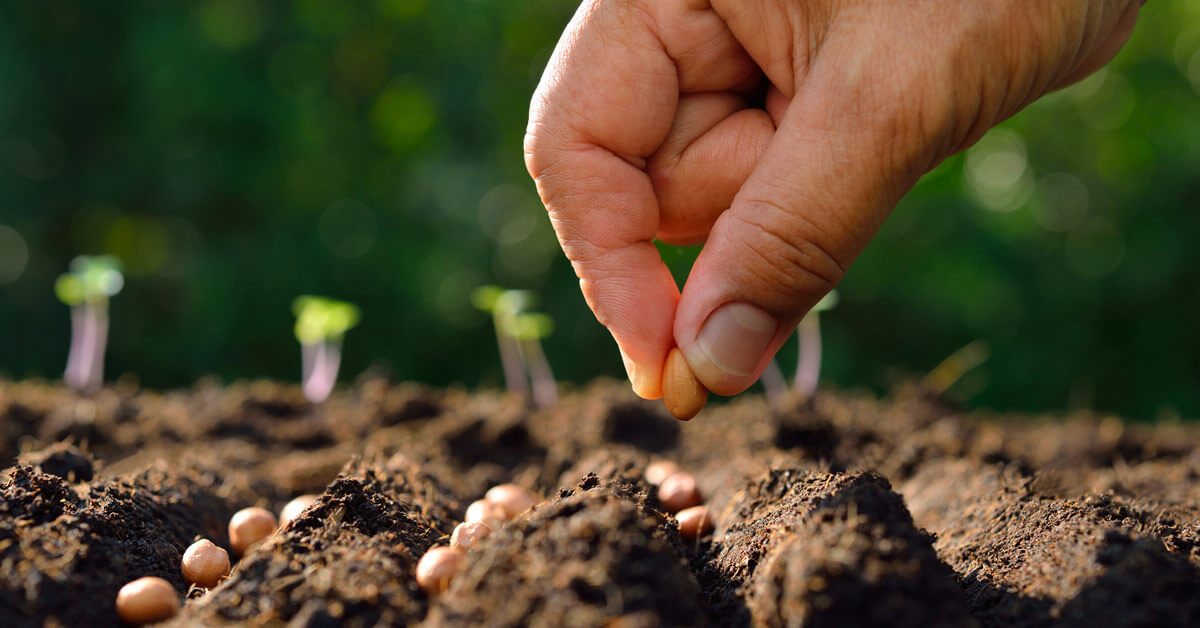
There’s something truly exciting about the arrival of spring planting. After months of cold, grey weather, the longer days and rising temperatures give gardeners the perfect opportunity to head outside and begin sowing. Growing vegetables from seed is one of the most rewarding activities in the garden, not just because of the final harvest, but for the entire process. While it may seem intimidating at first, once you begin, it becomes second nature.
Why Plant from Seed?
The honest answer is: because it’s better in almost every way. You get access to far more varieties than you’d ever find at a garden centre, and it costs a fraction of the price of buying ready-grown plants. There’s also something to be said for knowing exactly how your plants have been raised from day one. And when you finally sit down to eat something you’ve grown yourself, from a tiny seed, it tastes all the better for it.


Getting Ready for Spring Planting
Before any seeds go in the ground, it’s worth spending a bit of time getting your plot into good shape. Clear out last season’s debris, pull up any weeds, and have a proper look at what you’re working with. A quick soil pH test is a good idea too, most vegetables are happiest somewhere between 6 and 7, so if yours is way off, it’s worth adjusting before you start.
The single best thing you can do for your soil is add compost or well-rotted manure. It improves drainage, feeds the soil, and makes it a far more welcoming place for roots to grow. If your soil is particularly compacted or poor, dig in some organic matter to loosen things up. Raised beds are worth considering too, they give you much more control over growing conditions and are brilliant if the ground beneath is a bit hopeless.
Choosing the Right Seeds
Not all vegetables are created equal when it comes to timing and conditions. Cooler-weather crops like peas, lettuce, and carrots can go straight into the ground early in spring without much fuss. Tomatoes, peppers, and cucumbers, on the other hand, need warmth, start them indoors and don’t think about putting them outside until the frosts are well and truly behind you.
Some good options for anyone just getting started:
Tomatoes: Hugely popular for good reason. Start them from seed and they’ll reward you generously through the summer months.
Cucumbers: They love warm soil, so hold off until conditions are right, but once they get going, they grow quickly.
Lettuce and Spinach: Dead easy for spring. Sow them directly outside and they’ll be ready to eat before you know it.
Peas: Perfectly suited to those still-cool early spring days, and they go straight in the ground with no fuss at all.
If you’re unsure what works well in your part of the country, a local garden centre is a far better resource than any generic guide.
Starting Seeds Indoors
Some vegetables need a proper head start indoors, particularly anything with a longer growing season. Tomatoes, peppers, and most herbs should be sown roughly six to eight weeks before the last expected frost. You don’t need much, a few seed trays, some decent seed compost, and a warm spot with reasonable light. If your windowsills don’t get enough sun, a basic grow light will do the job perfectly well.
Keep the compost moist but not sodden, follow the depth and spacing guidance on the seed packets, and cover the trays with a clear lid or some cling film to hold in warmth and moisture. Different seeds have quite different requirements, tomatoes go in at around one to two centimetres deep, whilst larger seeds like beans need a bit more room.
Once your seedlings are looking sturdy, they need hardening off before they go outside. This just means putting them out for a few hours each day and gradually increasing the time over a week or so. It sounds fiddly, but it really does make a difference, plants that skip this step often struggle with the shock of being planted out.
Direct Sowing Seeds Outdoors
Not everything needs the indoor treatment. Plenty of vegetables do perfectly well when sown straight into the ground, and it’s a much simpler process. Peas, carrots, and salad leaves can all go out as soon as the soil has warmed up enough and is workable.
Space them as the packet suggests, cover lightly with soil, and keep an eye on them as they come up. One thing people often forget: thin your seedlings out. It feels wasteful, but overcrowded plants compete for light and nutrients, and the ones that remain will grow much better for the extra space.
Caring for Your Seedlings
Once everything’s in the ground, consistent care makes all the difference. Water regularly, keeping the soil moist but not waterlogged, early morning is the best time, so the foliage has a chance to dry out before nightfall. Root rot is a real risk if you’re too heavy-handed with the watering can.
Feed your plants with an organic fertiliser or homemade compost, but don’t go overboard. Too much nitrogen encourages lush, leafy growth at the expense of the fruit and veg you’re actually after. Get into the habit of checking your plants regularly for signs of pests or disease. Catching problems early makes them far easier to deal with, a few aphids can be sorted with a spray of soapy water; left unchecked, they become a much bigger headache.
Harvesting Your Crops
The best bit. Most vegetables will be ready to harvest sometime in late spring or summer, though it varies quite a bit depending on what you’ve grown. Pick things when they’re properly ripe, the flavour will be far better than anything you’d find in a supermarket, and you’ll wonder why you ever bought them in the first place.
Final Thoughts
Growing vegetables from seed doesn’t require a huge amount of space, money, or expertise. What it does require is a bit of patience and the willingness to learn as you go. Plan sensibly, choose varieties that suit your conditions, and look after your plants, the rest more or less takes care of itself. There are few better feelings than eating something you grew yourself, and once you’ve done it once, you’ll be hooked.














![Best ReactJS Companies in Poland for Scale-Ups [2026 Review]](https://todaynews.co.uk/wp-content/uploads/2026/04/Man-Data-Coding-120x86.jpg)