




















![5 Best CFD Brokers for Beginners [UK, 2026]](https://todaynews.co.uk/wp-content/uploads/2026/03/Invest-360x180.jpg)











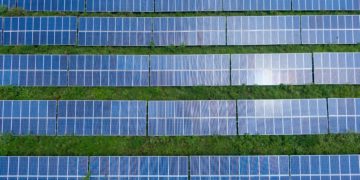
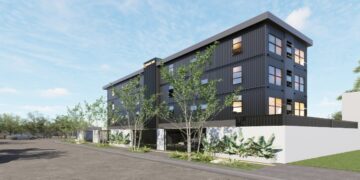












There’s a persistent assumption that modular buildings won’t last as long as traditional construction. Perhaps it stems from memories of temporary site cabins or the misconception that modular means short-term. The reality couldn’t be farther from the truth, especially when you’re working with panelised construction methods designed for durability and permanence.
Modern panelised modular buildings, when properly designed and manufactured, can deliver the same lifespan as traditional builds. For businesses considering expansion or relocation, understanding the guarantees and construction methods behind these structures is vital.


These systems are assembled on traditional foundations, combining factory precision with long-term structural permanence.
Here’s what you need to know…
What Actually Determines a Building’s Lifespan?
A building’s longevity depends on the materials used, construction quality, and ongoing maintenance.
Panelised modular systems use SIP (Structural Insulated Panel) construction, combining engineered timber with high-performance insulation to create a robust, thermally efficient envelope. These aren’t temporary alternatives but the same high-grade components used across permanent construction projects.
Off-site manufacturing adds quality control that traditional builds can’t match. Factory conditions eliminate moisture damage, weather delays, and on-site inconsistencies. Each panel is precision-engineered before reaching your site.
Understanding Structural Guarantees
A 10-year structural guarantee is now standard with quality modular building providers. This covers the building’s structural integrity, giving you confidence that the framework, panels, and load-bearing elements will perform as designed.
Beyond structural warranties, manufacturers’ guarantees on fixtures and fittings provide additional protection. These cover everything from windows and doors to mechanical systems, ensuring that if something fails due to a manufacturing defect, you’re covered.
This is especially important to start-ups and modern businesses who can’t afford any unwelcome surprises in their quarterly budgets. That’s why many of them in the UK now opt to operate out of modular office buildings that come with strong guarantees and even stronger materials. They represent a commitment to quality that backs up the build process from start to finish.
What’s often overlooked is that guarantees also reflect confidence in the construction method itself. Providers wouldn’t offer decade-long warranties if they weren’t certain their buildings could withstand the test of time.
Comparing Modular and Traditional Build Quality Speed doesn’t compromise quality when you understand how panelised construction works.
Traditional builds face UK weather throughout construction. Rain saturates timber frames, delays push projects into winter, and workmanship varies with conditions. Modular panels are manufactured indoors and assembled only when conditions allow.
The result is consistent fabric performance, minimal thermal bridging, and reliable airtightness. These features directly impact longevity and running costs, and they can’t be easily retrofitted.
Maintenance and Long-Term Performance
Like any building, modular structures need regular maintenance to reach their full lifespan. Inspections, prompt repairs, and proper drainage protection will safeguard your investment.
The panelised build method makes maintenance straightforward. Clear panel joints and accessible service routes let maintenance teams work efficiently. Even if you need to upgrade systems or reconfigure spaces, the panelised building method allows for flexibility that traditional masonry can’t match without major structural work.
What to Look for in a Modular Provider
Not all modular buildings are built to the same standard. When evaluating providers, focus on their construction method, guarantees, and proven track record.
Key Questions to Ask
- What structural guarantee do they offer?
- Do they use panelised or volumetric construction?
- Can they provide references from businesses with buildings over 10 years old?
- What’s their approach to thermal performance?
Closing Remarks
The truth about modular building lifespans is reassuringly simple: when designed and built properly, they’ll last just as long as traditional construction. With robust guarantees, controlled manufacturing, and materials chosen for permanence, modern modular buildings represent a sound long-term investment.
For businesses weighing up their options, the question shouldn’t be; how long will it last? but rather; which construction method gives me the best combination of speed, quality, and long-term performance? When you understand what goes into a properly engineered modular building, the answer becomes clear: panelised modular construction is here to stay.

David Prior
David Prior is the editor of Today News, responsible for the overall editorial strategy. He is an NCTJ-qualified journalist with over 20 years’ experience, and is also editor of the award-winning hyperlocal news title Altrincham Today. His LinkedIn profile is here.