![Best ReactJS Companies in Poland for Scale-Ups [2026 Review]](https://todaynews.co.uk/wp-content/uploads/2026/04/Man-Data-Coding-360x180.jpg)





















![5 Best CFD Brokers for Beginners [UK, 2026]](https://todaynews.co.uk/wp-content/uploads/2026/03/Invest-360x180.jpg)





























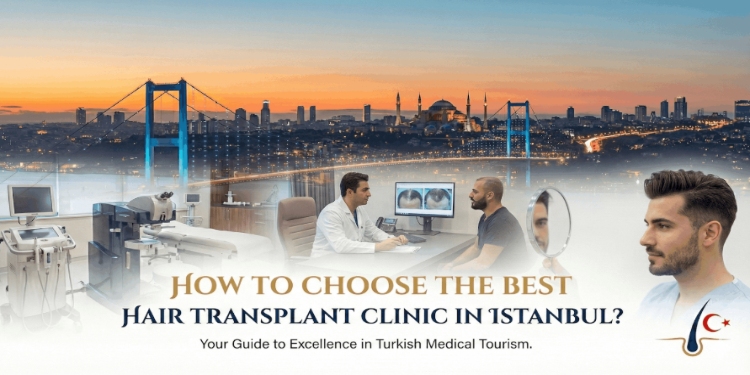
Choosing a hair transplant clinic can be a life-changing decision. As someone who has spent years observing the evolution of medical tourism, I’ve seen Istanbul transform from a budding medical destination into the undisputed world capital of hair restoration. By 2026, the city isn’t just about “affordable” surgery; it’s about a sophisticated blend of art, high-tech AI integration, and world-class surgical mastery.
However, with over 1,000 facilities in the city, finding the best hair transplant clinic in Istanbul requires more than a quick Google search. It requires a deep dive into surgeon credentials, clinical ethics, and the latest technological shifts that have defined the industry this year. This guide is designed to help you navigate the landscape and ensure your journey toward a fuller head of hair is both safe and successful.


Why Istanbul is the Global Hub for Hair Restoration in 2026?
The surge of patients traveling for a hair transplant in Turkey isn’t accidental. It’s the result of decades of specialized experience. In 2026, Istanbul clinics perform more procedures annually than almost any other city globally, creating a cycle of constant refinement.
Turkish surgeons have a unique “procedural volume” advantage. While a surgeon in Europe might perform two transplants a week, a top-tier plastic surgeon in Istanbul might oversee multiple cases daily, honing their “aesthetic eye” and technical precision to a degree that is difficult to replicate elsewhere. Furthermore, the Turkish government’s strict “Health Tourism” regulations ensure that any accredited hair transplant clinic must meet rigorous hospital-grade standards to maintain its license.
The Shift Toward Boutique Excellence
The biggest trend we’ve seen this year is the move away from “hair mills” (high-volume, low-quality clinics) toward boutique practices. The best hair transplant clinic options today are those that limit their daily intake to just 2 or 3 patients. This ensures that the lead surgeon, often a board-certified plastic surgeon hair transplant specialist, is personally involved in the most critical stages: the hairline design and the channel opening.
How to Evaluate a Hair Transplant Clinic in Istanbul
When you begin your research, you will likely be overwhelmed by “all-inclusive packages.” While these are convenient, they shouldn’t be your primary metric. Here is how to truly evaluate a clinic’s quality:
1. Verification of the Lead Surgeon
In 2026, transparency is everything. A reputable hair transplant clinic in Istanbul will prominently feature its lead doctor’s name and credentials. Ensure the doctor is a member of international bodies like the ISHRS (International Society of Hair Restoration Surgery). Avoid clinics that use generic terms like “our medical team” without naming the responsible physician.
2. Surgical Technique: FUE vs. DHI
Understanding the terminology is vital. Most modern clinics offer two primary methods:
- FUE (Follicular Unit Extraction): The gold standard for harvesting. In 2026, the use of Sapphire FUE has become the baseline. By using blades made of precious sapphire rather than steel, surgeons can create smaller, more precise incisions, leading to faster healing and higher density.
- DHI (Direct Hair Implantation): This uses a specialized “Choi Implanter Pen.” DHI allows the hair transplantation to happen without first opening channels, which can sometimes lead to better graft survival and is often the preferred choice for those looking to increase density without shaving their entire head.
3. AI-Driven Hair Mapping and Planning
The most advanced clinics now utilize AI software to analyze donor area capacity and simulate the final result. This level of planning prevents “over-harvesting,” a common risk where too much hair is taken from the back of the head, leaving it looking thin.
The Critical Role of the Plastic Surgeon
One of the most common misconceptions is that hair transplantation is a simple technician-led task. In reality, it is a surgical procedure that requires an intimate understanding of facial proportions and scalp anatomy.
Choosing a clinic led by a plastic surgeon ensures that the hairline isn’t just “filled in,” but artistically designed to age naturally with your face. A generic, straight hairline might look okay at age 30, but it can look unnatural at 60. A skilled surgeon understands how to mimic the natural, irregular patterns of hair growth to create an undetectable result.
Analyzing Hair Transplant Reviews in Turkey
In the digital age, reviews are your best friend if you know how to read them. When looking at hair transplant reviews in Turkey, look for:
- Long-term follow-ups: A review posted 2 days after surgery only tells you about the hotel and the transport. Look for “12-month updates” to see the actual growth and final result.
- Consistency across platforms: Check Trustpilot, Google Maps, and dedicated forums like HairRestorationNetwork.
- Video Testimonials: Authenticity is harder to fake in high-quality video interviews where the patient shows their scalp under different lighting.
Pro Tip: Be wary of clinics that have 5.0 stars with thousands of reviews and zero negative feedback. Every medical practice has occasional challenges; how they handle them (their aftercare support) is the true mark of a quality clinic.
Understanding Pricing and “All-Inclusive” Packages
The hair transplant cost in Istanbul remains significantly lower than in the US, UK, or Australia. In 2026, a high-end, all-inclusive package typically ranges between $2.200 and $4.000.
What’s usually included?
- The Procedure: Typically, “unlimited grafts” (within safe limits of your donor area).
- Accommodation: 3–4 nights in a 4-star or 5-star hotel.
- Transfers: Private VIP transport between the airport, hotel, and clinic.
- Post-Op Medications: Shampoos, lotions, and antibiotics.
- PRP or Exosome Therapy: Many top clinics now include a session of Platelet-Rich Plasma or Exosomes to “boost” the healing process and graft survival.
While it’s tempting to go for the cheapest option (some clinics still offer sub-$1,500 deals), remember that this is surgery. Shortcuts in sterilization or using inexperienced technicians can lead to poor growth or, worse, permanent scarring.
Patient Safety and International Standards
Safety should never be compromised for the sake of price. A legitimate hair transplant clinic in 2026 must adhere to strict hygiene protocols.
- JCI Accreditation: The Joint Commission International is the “gold standard” for hospital safety. Many of Istanbul’s top clinics are located within JCI-accredited hospitals.
- Infection Control: Ensure the clinic uses disposable, single-use tools (especially the punches used for extraction).
- Emergency Readiness: Since local anesthesia is used, the facility must have the equipment and trained staff to handle any rare allergic reactions or medical emergencies.
The Road to Recovery: Post-Operative Care
Your journey doesn’t end when you leave the surgical chair. The first 10 days are critical for graft survival. The best hair transplant clinic options will provide:
- Detailed Washing Instructions: Usually, the first wash is done at the clinic by a professional.
- 24/7 Support: A dedicated coordinator you can WhatsApp if you have concerns about swelling or scabbing.
- 12-Month Monitoring: Regular check-ins (usually via photo/video) to track your progress and ensure the hair is growing as expected.
Recovery Timeline at a Glance
| Timeframe | What to Expect |
| Days 1–3 | Minor swelling and redness; sleep with head elevated. |
| Days 7–10 | Scabs begin to fall off; the donor area heals. |
| Weeks 2–8 | “Shock loss” phase: the transplanted hairs fall out (this is normal!). |
| Months 3–4 | New permanent hair starts to sprout. |
| Months 12–15 | Final, full results are visible. |
Conclusion: Making Your Final Choice
Selecting the hair transplant clinic in Istanbul is a balance of research and intuition. Look for a clinic that prioritizes your safety, offers transparent communication, and is led by an experienced plastic surgeon.
Istanbul remains the premier destination for hair transplantation due to its unparalleled level of specialization. Whether you choose a high-tech facility utilizing Sapphire FUE or a boutique clinic specializing in DHI, the key is to prioritize long-term quality over short-term savings.
When you look in the mirror a year from now, you won’t remember the cost of the flight or the hotel; you’ll only see the confidence that comes with a restored, natural-looking hairline. Take your time, ask the hard questions, and choose a partner in your restoration journey who values your results as much as you do.

David Prior
David Prior is the editor of Today News, responsible for the overall editorial strategy. He is an NCTJ-qualified journalist with over 20 years’ experience, and is also editor of the award-winning hyperlocal news title Altrincham Today. His LinkedIn profile is here.