![Best ReactJS Companies in Poland for Scale-Ups [2026 Review]](https://todaynews.co.uk/wp-content/uploads/2026/04/Man-Data-Coding-360x180.jpg)





















![5 Best CFD Brokers for Beginners [UK, 2026]](https://todaynews.co.uk/wp-content/uploads/2026/03/Invest-360x180.jpg)





























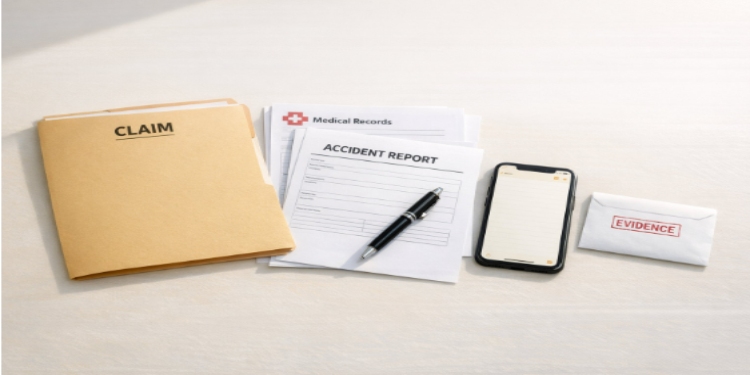
The personal injury claim process can seem complex, but understanding each stage can help set realistic expectations. Knowing how claims are assessed and what evidence is required is essential for anyone considering this route after an accident or injury. Timely steps and organised records make a significant difference in achieving a fair outcome.
When you experience an injury that may be someone else’s fault, the process of making a personal injury claim provides a structured way to seek compensation for losses that result. Injury lawyers direct offers insight into how claims aim to establish responsibility, connect an incident to your injuries, and quantify associated losses. This process matters because it ensures that claimants have a fair chance at recognition and recompense, particularly when the event has impacted health or finances. Knowing what to expect before you begin can help you prepare and avoid common misunderstandings.


Initial steps and practical priorities following injury
Your first priority after an injury should always be seeking appropriate medical attention. Immediate care ensures your needs are addressed and that clear medical records are created, supporting your account from the start.
Reporting the incident to relevant parties, such as employers or site managers, should happen as soon as possible. Early notification helps confirm the circumstances in which the incident occurred and may be a requirement of the personal injury claim process for legal clarity.
Keeping accurate records is essential to future stages in the personal injury claim process. You should write down what happened as soon as you can, gather any relevant documents, and keep a log of symptoms or treatment needed.
Photographs of injuries, details of witnesses, and copies of expenses also play a role. These early actions provide evidence that supports your case as it develops, helping to avoid delays and disputes later on.
The role of legal review and responsibility assessment
The first legal consultation typically involves discussing the circumstances of the injury in detail. Solicitors or legal advisers ask for information about how the incident happened, your injuries, and any immediate effects, giving an early idea of the personal injury claim process steps ahead.
Funding for personal injury claim process cases is often considered at this stage. Common arrangements include “no win, no fee” agreements, where fees are only paid if you succeed, as well as legal expenses insurance or trade union support depending on your situation.
Establishing who is responsible is a key part of progressing. Legal experts review witness accounts, review documentation, and consider applicable laws or regulations to determine who is likely to be held at fault.
In some cases, both parties may share responsibility. This can result in reduced compensation if your actions contributed to the incident.
Gathering and presenting essential evidence for your claim
Once the basic outline is in place, you begin actively collecting evidence. The personal injury claim process often centres on securing medical reports, photographs of the scene, witness statements, and logs of expenses such as travel or treatment costs.
Timeliness is crucial because details fade and documents can get lost. Legal guidance underscores the importance of keeping everything dated and organised to avoid unnecessary problems and support your position effectively.
An independent medical assessment is routinely arranged. This involves a qualified expert evaluating your injuries and providing an opinion about severity, permanence, and how symptoms are likely to develop over time.
The prognosis in this report significantly shapes both the valuation of your claim and the likely timeline for any resolution. Serious or long-lasting injuries may require ongoing reviews before a final settlement is possible.
Valuation, settlement negotiations, and reaching final resolution
Damages in the personal injury claim process fall into two main groups: general damages, which compensate for pain or loss of amenity, and special damages, which cover quantifiable costs such as earnings and care expenses.
Items like medical treatment, additional travel, paid care, and lost income are regularly included in the assessment. Proper documentation for every item claimed is essential to ensure nothing is missed or undervalued.
Most claims conclude through negotiations rather than a final court hearing. A sequence of offers and counteroffers takes place, and sometimes interim payments are made if the resolution will take longer, giving some financial relief while you recover.
Although court proceedings are possible if an agreement cannot be reached, the majority of personal injury claim process cases settle independently or through mediation, avoiding the need for a trial and reducing stress for those involved.

David Prior
David Prior is the editor of Today News, responsible for the overall editorial strategy. He is an NCTJ-qualified journalist with over 20 years’ experience, and is also editor of the award-winning hyperlocal news title Altrincham Today. His LinkedIn profile is here.