![Best ReactJS Companies in Poland for Scale-Ups [2026 Review]](https://todaynews.co.uk/wp-content/uploads/2026/04/Man-Data-Coding-360x180.jpg)





















![5 Best CFD Brokers for Beginners [UK, 2026]](https://todaynews.co.uk/wp-content/uploads/2026/03/Invest-360x180.jpg)

















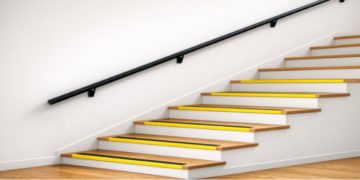











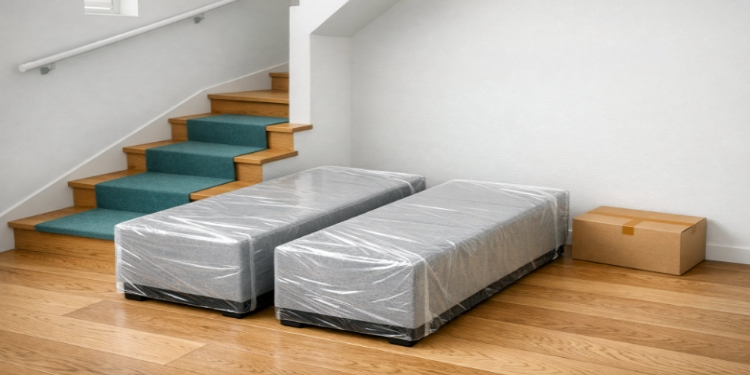
Navigating narrow or tricky staircases presents a distinct challenge when moving and installing a bed. For homes with restricted access, choosing the right type of bed and base can make the difference between a straightforward delivery and frustrating obstacles. Understanding which beds work best for awkward staircases ensures both convenience and comfort without sacrificing style or support.
Bringing a new bed into a home with cramped or winding stairs requires special considerations. Traditional bed frames and large, solid structures may not fit through tight spaces, leading to the need for creative solutions. In these scenarios, options like a split divan bed base or flat-packed bed frames can be invaluable. Selecting beds designed with accessibility in mind helps homeowners avoid damage to property, undue physical effort, and unnecessary delays when setting up their bedroom. When access is difficult, choosing adaptable bed bases becomes just as important as the mattress or the aesthetic of the bedroom itself.


The unique challenges of difficult access
Awkward staircases can present a wide range of restrictions, from sharp turns and low ceilings to narrow doorways. When considering which bed to purchase, it is crucial to account for every stage of the delivery route. Measuring the tightest points and imagining the path a bed will take ensures there are no surprises on moving day. Many traditional bases, such as rigid divans or box bases, can be too large or inflexible to navigate bends or to fit through confined hallways.
Factors like banisters, handrails, and even wall finishes influence what can pass safely without costly mishaps. Attempting to force oversize or one-piece bases through a tight space risks visible damage to walls, stairs, and the bed itself. Being aware of these obstacles in advance and prioritising flexible, modular bed designs can result in a smoother experience and helps guarantee that your chosen furniture will actually reach your bedroom.
Split and modular options for tight spaces
For homes with awkward access, split or sectional bed bases offer practical advantages. Designs such as a split divan bed base are purpose-built to break down into smaller, manageable pieces. These can be manoeuvred separately up flights of stairs or around corners and then securely reconnected in the bedroom. Many split designs allow for no compromise on stability or comfort, providing the full support of a standard divan once assembled.
Flat-pack and modular bed frames are another popular solution, often supplied in compact boxes that easily fit through doorways and stairwells. Assembling these frames on site prevents the stress and physical strain of carrying heavy, solid items through the house. Such options also make future moves or room changes much easier, ultimately extending the lifespan and versatility of the bed base for years to come.
Alternative bed base designs for flexibility
Beyond split or modular models, certain other bed bases can also facilitate movement through tight spots. Slatted frames with detachable side rails, for example, can often be disassembled into small sections. Some ottoman bases are designed for partial disassembly, enabling the frame to break down into manageable parts while still offering underbed storage.
Adjustable bed bases, which can be collapsed or parted during delivery, may be considered for those who also want increased functionality. It is important to check with retailers whether a particular model can be taken apart or delivered in sections. Confirming these details ahead of purchase will help avoid disappointment on delivery day, and will make the experience of bringing a bed into a home with difficult staircases much less stressful.
Key considerations when choosing a bed for awkward staircases
Selecting a bed for a home with tricky access involves several key factors. Dimensions of both the stairs and the bed components should be compared closely, allowing for turning circles and awkward angles. The weight and shape of each element matter, as heavier and bulkier pieces can be more difficult to manoeuvre and may require additional help for delivery and assembly.
It is equally important to consider future needs, not just the initial move. Beds that can be broken down easily are valuable for redecorating, relocating, or simply rearranging the room. Mattress flexibility also counts, as some types (like pocket-sprung) are less pliable than foam or rolled mattresses. Selecting a bed with versatile, compact components guarantees that tight staircases will not limit your choices in comfort, support, or design.
For anyone living with awkward staircases, making thoughtful decisions about beds and bases can prevent inconvenience and preserve peace of mind. By prioritising flexible designs, accurately measuring access points, and weighing the pros and cons of various bed constructions, homeowners can achieve both style and sleep comfort without battling with their staircase. This approach ensures that bedroom upgrades are hassle-free, making the process of moving, assembling, or replacing beds in challenging spaces far more manageable.

David Prior
David Prior is the editor of Today News, responsible for the overall editorial strategy. He is an NCTJ-qualified journalist with over 20 years’ experience, and is also editor of the award-winning hyperlocal news title Altrincham Today. His LinkedIn profile is here.