
















































Finding a place to live involves more than comparing rent prices, checking nearby transport links, or admiring a nice kitchen. Safety should always be part of your decision. Before signing a lease, you need to understand how well a property protects residents from potential emergencies, especially fires.
When you rent a home, you rely on landlords, building managers, and developers to follow safety standards. But that doesn’t mean you should assume everything is in place. Taking time to understand the basics of fire safety in apartment complexes or shared housing can help you make informed decisions and avoid unnecessary risk.


This guide walks you through what to look for, what questions to ask, and how modern safety laws and systems affect tenants.
Fire Protection Systems You Should Check Before Renting
When you tour a property, certain features can give you confidence that safety is taken seriously. These systems generally fall into two categories:
Active Fire Protection
Active systems respond automatically or with human intervention when a fire starts. These may include:
· Smoke alarms and detection systems that alert residents early
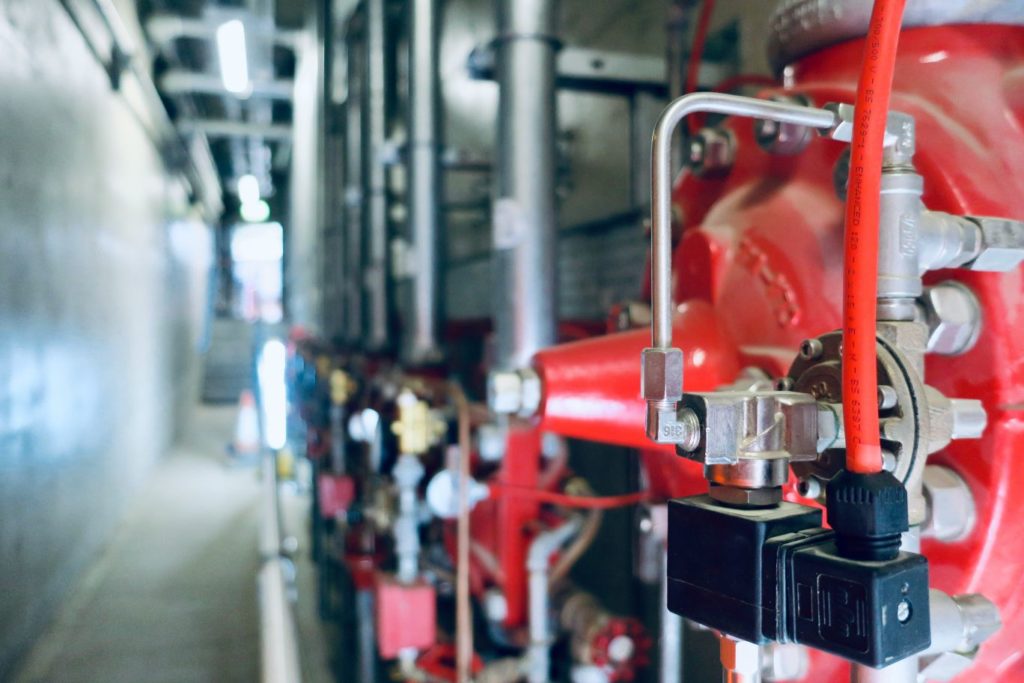
· Automatic fire suppression systems, such as sprinklers, are designed to control flames before they spread
· Emergency lighting and alarm panels that guide occupants to exits
· Dedicated systems that support facilities and access for the fire and rescue service
Active fire protection works to detect and suppress fires quickly. When functioning correctly, they can significantly reduce property damage and save lives.
Passive Fire Protection
These safety systems focus on materials and structural features that contain fire long enough for residents to evacuate. Examples include:
· Fire-resistant walls
· Compartmentalised floors
· Sealed cable penetrations
· Well-maintained fire doors
Together, active and passive systems create multiple layers of safety within a building. Many modern buildings use layered protection strategies that combine technology, building design, and operational procedures.
Maintenance and Inspection: The Often-Overlooked Factor
Even the best safety systems can fail if they are not maintained properly. In many buildings, one of the most common challenges is neglecting routine inspections.
Over time, the mechanical components of smoke ventilation systems may degrade or become obstructed, reducing their effectiveness. Routine servicing, such as AOV maintenance, ensures that Automatic Opening Vent systems can remove smoke from stairwells and corridors when needed. These inspections, along with other preventive checks, help maintain reliable fire protection across the entire property.
Alarm systems, smoke vents, and ventilation mechanisms require regular servicing to ensure they function during an emergency. Building managers often work with fire industry experts to inspect equipment, identify fire hazards, and confirm compliance with national standards.
If you’re viewing a rental property, it’s reasonable to ask when systems were last inspected and whether regular servicing is scheduled.
Why Fire Safety Awareness Matters for Tenants
The UK registered 254 fire-related deaths in 2024. The cumulative property loss value reaches billions every year. While not every incident occurs in residential buildings, many do involve apartment complexes or multi-unit homes where hundreds of people live in proximity.
In these environments, fires can spread rapidly through shared corridors, electrical systems, or ventilation spaces. Small issues such as faulty wiring, blocked exits, or damaged fire doors can turn into major threats if they’re ignored.
Historic tragedies, including the Grenfell Tower fire, highlighted the importance of strict safety standards in multi-occupancy housing. Since then, governments and safety organizations have pushed for stronger oversight, better building design, and clearer responsibilities for property owners.
Understanding Fire Safety Laws That Affect Rental Buildings
Several UK laws shape how landlords and property managers maintain fire protection systems. Together, these laws aim to reduce fire deaths, improve accountability, and ensure that both tenants and property owners understand their responsibilities.
The Fire Safety Order requires building owners and responsible persons to manage risks and ensure proper fire safety measures are in place. This includes maintaining alarms, emergency exits, and evacuation procedures.
The Fire Safety Act 2021 strengthened oversight by clarifying that building structures and external walls must be considered when evaluating fire risk. This change was particularly important for high-rise residential buildings, where external materials can influence how quickly flames spread.
More recently, the Building Safety Act 2022 introduced stricter accountability for developers and building managers. It focuses heavily on transparency, documentation, and stronger enforcement of building regulations throughout the lifecycle of a building.
Practical Questions to Ask Before Renting
Before committing to a lease, it helps to ask a few straightforward questions that reveal how seriously a property manager treats safety.
Consider asking about:
- When the last fire risk assessment was conducted
- Whether smoke alarms, sprinklers, or other automatic fire suppression systems are installed
- How often is safety equipment inspected and maintained
- Clear fire safety information and the evacuation procedures residents should follow
- Whether staff coordinate regularly with the local fire and rescue service
These questions aren’t intrusive; they’re responsible. A landlord who manages safety properly should be able to answer them confidently.
Why Tenants and Investors Should Pay Attention Before Signing
Safety considerations shouldn’t stop at tenants. Anyone involved in commercial real estate investments or property purchases should also prioritise safety standards before committing to a building.
Poorly maintained properties may expose occupants to unnecessary risks while also creating financial liabilities for owners. Fires can lead to major repair costs, legal claims, insurance complications, and reputational damage.
Many developers have stronger safety protocols, particularly in fire safety in construction. Modern projects often integrate advanced detection systems, safer building materials, and improved evacuation planning from the earliest design stages.
For tenants, this shift means safer housing options. For investors and landlords, it highlights how critical safety compliance has become in protecting both residents and property value.
Closing Thoughts
Choosing a rental property is a big decision, and safety deserves the same attention as price or location. Fires remain one of the most serious risks in shared housing, particularly in large apartment complexes.
Make smarter living decisions by understanding the systems, laws, and maintenance practices that support effective fire protection. Ask questions, observe the safety features during property viewings, and make sure the building demonstrates a clear commitment to protecting its residents. After all, a safe home isn’t just about comfort; it’s about peace of mind.