![Best ReactJS Companies in Poland for Scale-Ups [2026 Review]](https://todaynews.co.uk/wp-content/uploads/2026/04/Man-Data-Coding-360x180.jpg)






















![5 Best CFD Brokers for Beginners [UK, 2026]](https://todaynews.co.uk/wp-content/uploads/2026/03/Invest-360x180.jpg)




























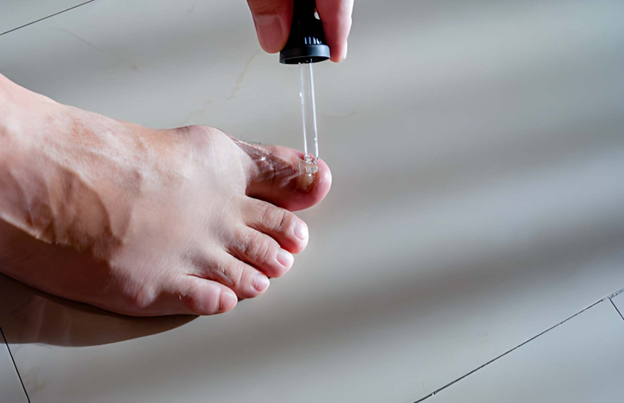
Toenail fungus, medically known as onychomycosis, affects millions worldwide, turning nails thick, yellow, brittle, and sometimes painful. Whether it started from a gym shower, tight shoes, or just damp socks, this stubborn infection thrives in warm, moist environments and can linger for years if ignored. The good news? Effective treatments exist across creams, oral pills, essential oils, and home remedies—but not all deliver the same results.
This comprehensive guide compares every major option using the latest evidence from dermatologists, the American Academy of Family Physicians (AAFP), Mayo Clinic guidelines, and clinical studies as of 2026. You’ll discover real success rates, timelines, side effects, and who each suits best toenail fungus treatment. No hype, just clear, expert-backed facts to help you choose wisely and finally reclaim healthy nails.


Toenail Fungus: Causes, Symptoms, and Why It Persists
Toenail fungus is usually caused by dermatophytes (the same fungi behind athlete’s foot), though yeasts and molds can play a role. It invades the nail bed, feeding on keratin and spreading slowly because nails grow just 1–2 mm per month. Common triggers include walking barefoot in public areas, sweaty footwear, diabetes, poor circulation, or a weakened immune system.
Early symptoms are subtle: white or yellow spots, thickening, crumbling edges, or a foul odor. Left untreated, it spreads to other nails or skin, causing embarrassment and discomfort. The infection is notoriously hard to clear because the nail plate acts as a barrier, blocking many treatments from reaching the fungus underneath. That’s why patience and the right approach matter most—random remedies rarely cut it.
Getting a Proper Diagnosis Before Treatment
Never guess it’s fungus. Psoriasis, trauma, or bacterial infections often mimic onychomycosis, and using the wrong product wastes time and money. A podiatrist or dermatologist confirms with a simple KOH microscopy test or nail clipping culture—quick, affordable, and essential for success.
Self-diagnosis leads many to delay real help, letting the infection dig deeper. Once confirmed, your doctor can tailor a plan based on severity (mild: under 50% nail affected; severe: matrix involvement). Skipping this step risks ineffective treatment and higher recurrence rates up to 25%. Professional input builds the foundation for every option below.
Topical Creams and OTC Treatments: Convenient Daily Options
Over-the-counter creams like those containing tolnaftate (Fungi-Nail), clotrimazole, or undecylenic acid offer easy access and low cost. Apply twice daily after filing the nail thin and keeping feet dry. Prescription topicals—ciclopirox lacquer, efinaconazole solution, or tavaborole—work similarly but penetrate better.
These treatments shine for mild cases, delivering complete cure rates of 5–18% after 48 weeks per AAFP data. They avoid systemic risks but require daily discipline and nail debridement for best results. Side effects are minimal (mild redness or irritation). Ideal if you want zero pills and have only a few nails affected—combine with an oral agent for stubborn cases.
Oral Antifungal Pills: The Most Effective Systemic Choice
Terbinafine (Lamisil) remains the gold-standard pill: 250 mg daily for 12 weeks produces mycological cure rates of 70–76% and complete cure around 38–55%, outperforming itraconazole or fluconazole in head-to-head studies. It travels through your bloodstream to attack fungus at the root, letting healthy nail grow out over 9–18 months.
Itraconazole (pulse dosing) and off-label fluconazole serve as alternatives but show lower long-term success and more drug interactions. Liver monitoring is standard for terbinafine, with side effects like mild nausea or headache in a small percentage. Doctors reserve pills for moderate-to-severe infections or multiple nails—far faster and more reliable than topicals alone.
Essential Oils: Natural Support with Mixed Evidence
Tea tree oil (melaleuca) leads the pack amoils. One 6-month study showed it matched 1% clotrimazole for clinical improvement, with some patients achieving partial clearance when applied twice daily. Oregano oil (thymol-rich) and eucalyptus offer similar antifungal punch. Vicks VapoRub, containing menthol and camphor, helped 28% reach full cure in a small trial after nearly a year.
These oils penetrate somewhat and cost pennies, but evidence stays limited—Mayo Clinic notes pure tea tree oil helped only modestly in small studies. Irritation or allergic reactions can occur, especially undiluted. Use them as supportive add-ons for mild cases or prevention, never as sole treatment for advanced fungus.
Popular Home Remedies: Affordable but Rarely Curative
Apple cider vinegar soaks, baking soda pastes, garlic, or Listerine foot baths appear everywhere online. Vinegar creates an acidic environment that may slow growth, while baking soda showed lab inhibition in one tiny study. Many swear by daily soaks or pastes applied for weeks.
Reality check: large-scale evidence is weak or absent. These remedies manage symptoms or prevent spread in very early stages but rarely eradicate deep infections, per Cleveland Clinic and AAFP reviews. They’re cheap, side-effect-free, and safe to try alongside proven treatments—yet relying on them alone often prolongs the problem.
Head-to-Head Comparison: Which Treatment Wins?
Here’s a clear breakdown based on 2026 clinical data:
| Treatment Type | Complete Cure Rate | Time to Results | Side Effects | Best For | Approx. Cost (3–12 mo) |
| Oral Pills (Terbinafine) | 38–55% | 9–18 months | Liver monitoring, mild GI | Moderate/severe, multiple nails | $50–150 (Rx) |
| OTC/Prescription Creams & Lacquers | 5–18% | 6–12+ months | Mild skin irritation | Mild cases only | $10–80 |
| Essential Oils (Tea Tree, etc.) | 20–30% (partial) | 6–12 months | Possible irritation | Supportive/mild | $5–15 |
| Home Remedies (Vinegar, etc.) | <10% (mostly symptom relief) | Variable | None | Prevention or very mild | <$5 |
Oral pills dominate for speed and success but require medical oversight. Topicals and oils suit needle-phobes or mild infections. Home remedies rarely win alone. Many experts recommend combination therapy (pill + topical) for stubborn cases—boosting outcomes significantly.
Prevention and Long-Term Nail Care Strategies
Prevention beats cure every time. Keep feet dry with breathable shoes and moisture-wicking socks. Wear flip-flops in public showers. Treat athlete’s foot immediately and disinfect old shoes with antifungal spray. Trim nails straight, file thickened areas weekly, and apply antifungal powder daily.
After clearing an infection, continue twice-weekly topical maintenance—studies show this slashes recurrence from 76% to 33%. Healthy habits plus prompt action keep nails strong for life.
Choosing the best toenail fungus treatment depends on your infection’s severity, lifestyle, and health profile. Oral pills like terbinafine deliver the highest success for most people, while creams and oils provide safe, accessible support for milder cases. Home remedies offer low-risk experimentation but shouldn’t replace evidence-based care.