






















![5 Best CFD Brokers for Beginners [UK, 2026]](https://todaynews.co.uk/wp-content/uploads/2026/03/Invest-360x180.jpg)





























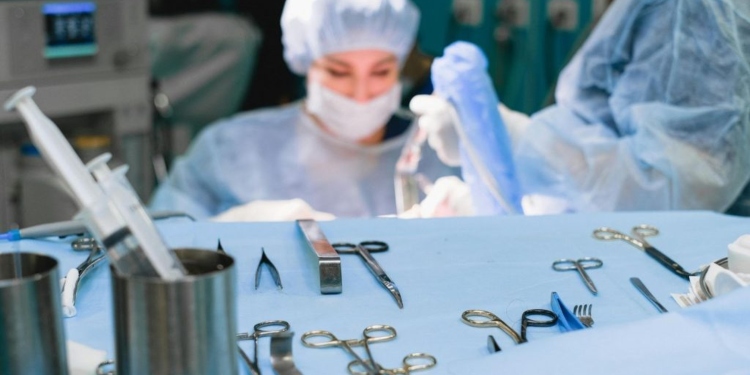
In the last few decades, cardiac surgery has improved tremendously. Advanced medical technology and new surgical methods have enabled the treatment of most heart diseases through methods that cause minimal trauma to the body. There are even clinics that specialise in these sophisticated procedures, and offer very specialised treatment to patients in need of heart operations. A heart surgery clinic tends to develop expertise in minimally invasive surgery, which is intended to enhance recovery and yield good clinical results.
Advances In Cardiac Surgery
Conventional heart surgery sometimes demanded huge surgical incisions to reach the heart. These operations remain effective, but new methods have been developed that require fewer incisions and use more precise surgical equipment.


Minimally invasive procedures enable surgeons to undertake some of the operations using smaller cuts between the ribs instead of cutting the whole chest. This has been enabled by imaging and surgical equipment as well as specialised training. The clinics specialising in these methods spend a lot of money on equipment and skills needed to carry out the procedures safely.
Specialised Training Supports Precision
Minimal invasive heart surgery requires a high level of precision. Surgeons have to operate through small holes and keep delicate instruments under control. This involves high-level training and experience.
Teams specialising in these techniques are often gathered in specialised clinics. The surgeons, anaesthetists, nurses, and technical staff are in close contact and become accustomed to the operations they perform routinely. Such specialised knowledge helps ensure uniform results and enables the medical staff to improve methods over time.
Advanced Equipment Enables Modern Procedures
Minimally invasive cardiac procedures involve specialised equipment, which facilitates accuracy and visibility. High-definition imaging systems enable surgeons to see the surgical site clearly as they operate through smaller incisions.
Surgical tools used to perform sensitive procedures are important in enabling the surgeon to work in such constrained areas. Other clinics also have robotic assistance systems that enable highly controlled movements during certain procedures. These technologies are significant in facilitating the contemporary cardiac surgery methodology.
Potential Benefits For Patients
Minimally invasive surgeries can offer several benefits compared to conventional open surgeries. Surgical trauma can be minimised by using smaller incisions, and this can lead to reduced postoperative pain in some patients.
In some instances, minimising interference with adjacent tissues can also aid quicker recovery. Patients can also have a shorter hospital stay and return to regular activities earlier than with more invasive procedures.
The appropriateness of minimally invasive surgery, however, is determined by the nature of the condition being treated and the patient’s overall health.
Careful Patient Assessment
Minimally invasive treatment does not apply to all patients and conditions. The assessment of an individual to determine the best surgical approach is usually conducted by a specialised clinic.
Such an assessment can involve imaging, diagnostic tests, and a thorough discussion with the surgical staff. The aim is to ensure that the selected procedure is optimal in terms of safety and efficacy.
Specialist clinics are used to taking patients through such decisions and clarifying the treatment options available to them.
Team-Based Cardiac Care
Heart surgery is not only the surgeon’s work. Effective treatment is based on the joint work of cardiologists, surgical teams, anaesthesia specialists, nurses, and rehabilitation specialists.
Specialised cardiac clinics frequently create structured care pathways that take patients through diagnosis, surgery and recovery. Such teams collaborate to ensure that every treatment process is well controlled.
This coordinated practice can assist in delivering consistent care and achieving positive patient outcomes in patients undergoing heart surgery.
Specialist Clinics Support Advanced Treatment
Modern cardiac care is also marked by specialised heart surgery clinics that specialise in complex surgical procedures and patient care. These clinics offer contemporary treatment services to complex heart conditions through specialised training, advanced equipment, and coordinated medical teams. Specialised clinics can provide experience in surgical procedures that can help patients who need surgical intervention to achieve successful treatment and faster recovery.

David Prior
David Prior is the editor of Today News, responsible for the overall editorial strategy. He is an NCTJ-qualified journalist with over 20 years’ experience, and is also editor of the award-winning hyperlocal news title Altrincham Today. His LinkedIn profile is here.