























![5 Best CFD Brokers for Beginners [UK, 2026]](https://todaynews.co.uk/wp-content/uploads/2026/03/Invest-360x180.jpg)




























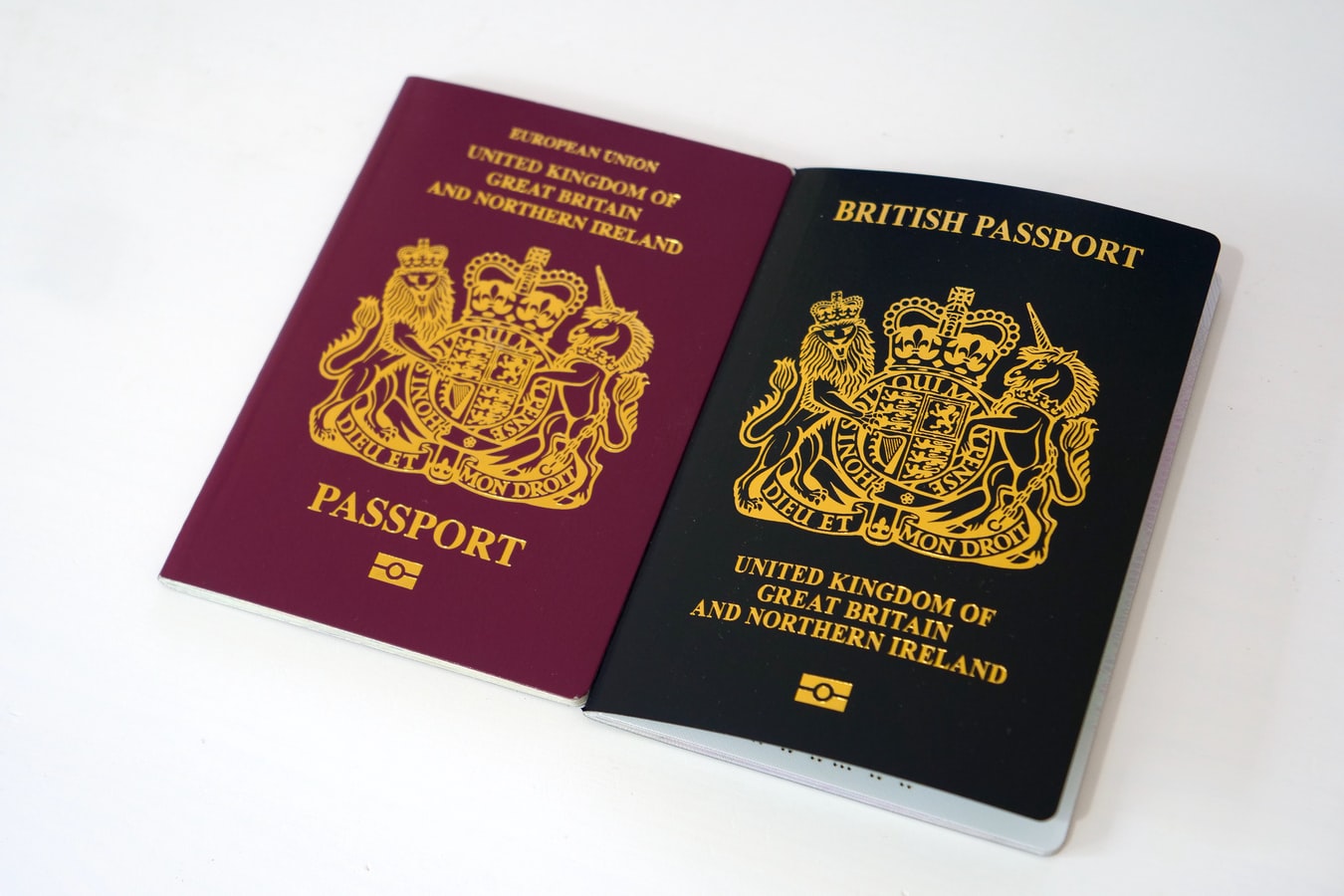
Applying for UK citizenship marks a significant step for many long-term residents. It offers the right to vote, access to a British passport, and stronger security of status. Applications are assessed against strict legal requirements, and errors can result in delays or refusals.
Many people assume the form itself is the hardest part. Often, eligibility rules and supporting evidence demand more attention. Clear planning reduces stress and improves your chances of approval. Careful review of official guidance, accurate record keeping, and honest disclosure all matter.


Preparation takes time. Rushing increases risk.
Residency and Eligibility Requirements
Meeting residence criteria forms the foundation of a successful application. Time spent in the UK, immigration status, and travel history all play a part in the decision.
Length of Residence
Most applicants qualify after five years of lawful residence before applying for naturalisation in the UK. Those married to a British citizen may apply after three years, provided other conditions are satisfied.
Absence limits often create problems. Excessive time spent outside the UK during the qualifying period may result in a refusal. Home Office guidance sets specific thresholds. Reviewing passport stamps and travel bookings helps confirm accurate dates. Keeping a written travel log avoids mistakes.
Settled Status and Lawful Stay
Applicants must hold Indefinite Leave to Remain, or EU settled status, for at least 12 months before submitting a naturalisation application, unless married to a British citizen.
Visa overstays or gaps in lawful residence may raise concerns. Reviewing your immigration timeline early allows you to address potential issues. Compliance with visa conditions and tax duties strengthens your position. Consistency across past applications also matters, as discrepancies can trigger further checks.
Language, Knowledge Requirements and Preparing Your Application
Proof of English ability and knowledge of life in the UK sits at the heart of the process. Strong preparation reduces anxiety and improves performance.
Meeting the English Language Requirement
Most people meet the language requirement through an approved B1 English test or a recognised degree taught in English. Certificates must come from approved providers. Checking the official list ensures the qualification will be accepted.
Expired test results cannot be used. Booking early provides flexibility if a retake becomes necessary.
Passing the Life in the UK Test
The Life in the UK Test assesses knowledge of history, culture, laws, and values. Official study materials outline the content clearly. Practice questions help build familiarity with the format.
Booking the test well ahead of your planned application date gives you time to prepare. Pass certificates should be stored securely, as replacements are difficult to obtain.
Preparing Documents and Seeking Guidance
Document preparation requires focus. Passports covering the qualifying period must be submitted. Missing evidence can slow assessment.
Referees must meet specific criteria and complete declarations accurately. Selecting suitable referees early avoids last-minute pressure.
Many applicants seek structured guidance when applying for British naturalisation to ensure compliance with detailed rules. Some individuals seek help with British citizenship applications when their previous immigration history or extended absences raise questions. Professional input can clarify eligibility and reduce avoidable errors, particularly where documentation feels complex.
Accurate form completion remains essential. Details must match supporting documents exactly. Careful review before submission strengthens your application.
The Good Character Requirement
Character assessment plays a decisive role in naturalisation decisions. Authorities examine behaviour, financial conduct, and legal history.
Criminal and Civil Matters
Criminal convictions can affect eligibility depending on the seriousness and timing. Reviewing rehabilitation periods under UK law helps determine when to apply.
Full disclosure is essential. Omitting information can lead to refusal on grounds of honesty, even if the offence itself would not have prevented approval.
Civil penalties and immigration breaches are also addressed. Paying outstanding fines and resolving past issues before applying demonstrates responsibility.
Financial Conduct and Transparency
Financial history may be reviewed as part of a naturalisation application. Unpaid taxes or evidence of dishonesty can raise doubts about good character.
Checking records with HMRC ensures tax affairs are accurate and up to date. Providing explanations with supporting evidence, where necessary, shows transparency and accountability.
Documents You Will Need to Provide
Strong evidence supports every statement made on the form. Organisation makes the process smoother for both the applicant and the caseworker.
Identity and Residence Evidence
Current passports and biometric residence permits are usually required. Previous passports may also be needed if they cover part of the qualifying period.
Proof of residence should demonstrate continuous presence in the UK. Payslips, P60s, tenancy agreements, council tax bills, or bank statements can confirm timelines. Arranging documents chronologically makes review easier.
Referees and Application Fees
Referee declarations must be completed correctly. One referee should hold professional standing, such as a teacher, accountant, or solicitor. Another must be a British citizen aged 25 or over who has known you personally for at least 3 years.
Application fees change periodically. Checking the latest fee before submission prevents rejection. Biometric enrolment must be completed promptly after submission.
Keeping digital copies of all documents allows for quick responses if further information is requested.
Processing Times and What Happens After Approval
Waiting for a decision can feel uncertain. Realistic expectations help manage that period.
Timeframes and Communication
Many applications are decided within three to six months, though some take longer due to background checks or further enquiries. Responding promptly to any Home Office request keeps your case progressing.
Regularly checking email and the post ensures important notices are not missed.
Citizenship Ceremony and Next Steps
Approval results in an invitation to attend a citizenship ceremony. Attendance is mandatory. During the ceremony, applicants make an oath or affirmation of allegiance and receive a certificate of citizenship.
This certificate allows you to apply for a British passport. Secure storage of the certificate is important, as replacement can involve additional steps.
The Bottom Line
Citizenship applications demand patience and accuracy. Reviewing residence history, confirming eligibility, and organising documents early creates a smoother path. Honest disclosure and thorough evidence strengthen credibility.
Citizenship offers long-term stability and participation in public life. Thoughtful preparation helps you move forward with confidence and clarity.