

















































Making the decision to undergo bariatric surgery is a profound step towards reclaiming your health and vitality. It is not merely a medical procedure; it is the beginning of a comprehensive lifestyle transformation that impacts your physical health, emotional well-being, and daily routine. For many patients travelling from countries like the UK, Germany, or Spain for medical care, having a clear and precise roadmap of what lies ahead is absolutely essential for peace of mind.
Gastric sleeve surgery, medically known as a sleeve gastrectomy, is a laparoscopic procedure that reduces the size of the stomach to limit food intake and alter hunger-causing hormones. However, the operation itself is just one moment in a much longer journey. Understanding the complete timeline allows you to mentally and physically prepare for the changes your body will experience over the coming months and years.


This comprehensive guide will walk you through the critical stages of the recovery journey. We will explore realistic weight loss expectations, the resolution of chronic health conditions, the nutritional requirements following your operation, and the long-term lifestyle changes necessary for enduring success. By understanding the full picture, you empower yourself to take total control of your health transformation.
Setting Realistic Expectations: how much weight will ı lose?
One of the most frequent questions patients ask during their initial consultations is, “how much weight will ı lose?” To answer this accurately, it is important to understand the concept of ideal weight and how medical professionals measure surgical success.
The primary objective of bariatric surgery is to reach a healthy weight that maximises your longevity and greatly improves your quality of life. Medical standards usually suggest an ideal weight based on your height and gender. However, because starting points vary dramatically, the success of a sleeve gastrectomy is generally measured by the percentage of excess weight lost, rather than a specific number on the scales.
The First Twelve Months
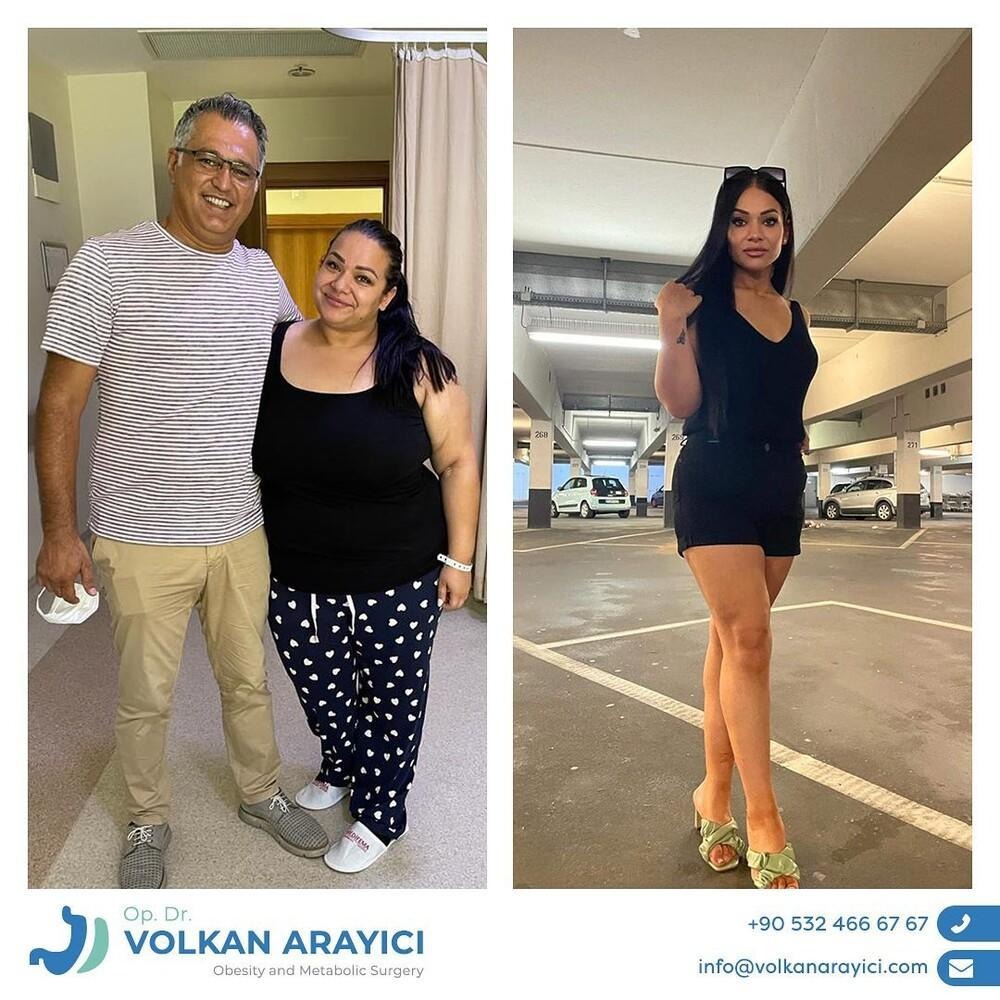
The first year following your operation is widely considered the golden period for weight loss. During this time, your body is biologically primed to lose weight rapidly due to metabolic shifts and a significant reduction in caloric intake. Statistically, patients can expect to lose approximately 80% of their excess weight within the first 12 months.
If you are carrying 50 kilograms of excess weight, you might expect to lose around 40 kilograms in that first year, provided you strictly adhere to the recommended dietary and lifestyle guidelines. This rapid reduction serves as a powerful motivator. Furthermore, the habits you form in this first year regarding nutrition, daily hydration, and physical activity will dictate your long-term success and help you maintain your new physique.
The Resolution of obesity related comorbidities
Obesity is rarely an isolated condition. It is frequently accompanied by a cluster of severe metabolic issues. These include Type 2 diabetes, severe hypertension, and obstructive sleep apnoea. For the vast majority of patients, the primary motivation for undergoing surgery is the desire to be free from chronic medications and life-threatening health risks.
The metabolic impact of the procedure extends far beyond simple calorie restriction. The surgery alters gut hormones that control blood sugar and hunger, leading to profound systemic health improvements. Clinical data consistently indicates that obesity related comorbidities improve or go into complete remission in approximately 80% of cases following surgery.
Many patients find their blood sugar levels normalise shortly after the operation, sometimes even before significant weight loss is visible. This can lead to a reduction or complete cessation of insulin and oral diabetic medications. Additionally, as weight decreases, the cardiovascular system is placed under significantly less strain, allowing blood pressure to normalise. The reduction of excess tissue around the neck also improves respiratory function, often allowing patients to stop using CPAP machines and enjoy restful, uninterrupted sleep.
Navigating gastric sleeve before and after Timelines
The journey of weight loss is rarely a perfectly straight line. It is a curve that changes over time, and understanding this trajectory prevents unnecessary anxiety during your recovery.
The Initial Trimester
In the first three months following your procedure, weight loss is typically very rapid. Your body is adapting to a much smaller stomach capacity, and you are consuming a highly structured liquid or purée diet for several weeks. It is quite common to see significant drops on the scale week after week. While this phase is exhilarating, it is important to remember that this rapid pace will eventually stabilise.
The Stabilisation Phase and Plateaus
After the initial three months, the rate of weight loss will naturally begin to slow down. This is a normal biological response as your body attempts to find a new metabolic equilibrium. While the speed decreases, weight loss generally continues steadily for up to 12 to 18 months post-surgery.
During this period, you will transition back to solid, protein-rich foods and begin to integrate more structured physical activity into your routine. You may also experience weight loss stalls, or plateaus. When you lose weight rapidly, the body sometimes hits a pause button to adjust its metabolic rate and ensure it is not starving. These stalls are temporary and completely normal. The most important action during a stall is to remain consistent with your dietary plan and hydration.
Understanding gastric sleeve before and after skin Changes
When you lose a massive amount of weight, the skin may not be able to retract completely to fit your new, smaller body shape. This leads to excess tissue. Discussing gastric sleeve before and after skin expectations is a vital part of your preoperative consultation.
skin sagging is a distinct possibility after major weight loss, but the severity varies significantly from person to person. Several key factors influence your skin’s natural elasticity:
- Body Mass Index: The higher your starting BMI and the more weight you lose, the greater the likelihood of excess skin. Skin that has been stretched for a longer period often experiences damaged collagen and elastin fibres.
- Age: Younger patients typically have more elastic skin. They often experience less sagging compared to older patients whose natural skin elasticity has naturally diminished over time.
- Genetics and Hydration: Some individuals are genetically predisposed to better skin quality. Staying exceptionally well-hydrated and consuming adequate protein can assist in maintaining skin health during rapid weight loss.
While resistance training can build underlying muscle to fill out some loose skin, it cannot magically tighten the skin itself. For patients who find excess skin physically uncomfortable or bothersome after their weight has fully stabilised, body contouring surgeries are highly effective options.
The Rise of weight loss surgery in turkey
In recent years, medical tourism has expanded exponentially. Choosing to have a gastric sleeve in Turkey offers patients access to world-class medical facilities, highly experienced surgical teams, and comprehensive care packages at a fraction of the cost found in the UK or Western Europe.
Facilities in Turkey adhere to rigorous international healthcare standards. Patients benefit from minimally invasive laparoscopic techniques, which ensure smaller incisions, reduced postoperative pain, and much faster recovery times. Furthermore, leading clinics provide extensive multilingual support, ensuring that communication is seamless and that international patients feel completely supported throughout their medical journey.
When looking into weight loss surgery in Turkey, it is crucial to research the credentials of your surgeon and the support structures provided by the clinic, including nutritional counselling and long-term follow-up care.
Finding the best gastric sleeve doctor in turkey
When considering a procedure as transformative as bariatric surgery, the expertise of your chosen surgeon is the single most critical factor in ensuring your safety and long-term success. You must seek out a medical professional with a proven track record, extensive certifications, and a compassionate approach to patient care.
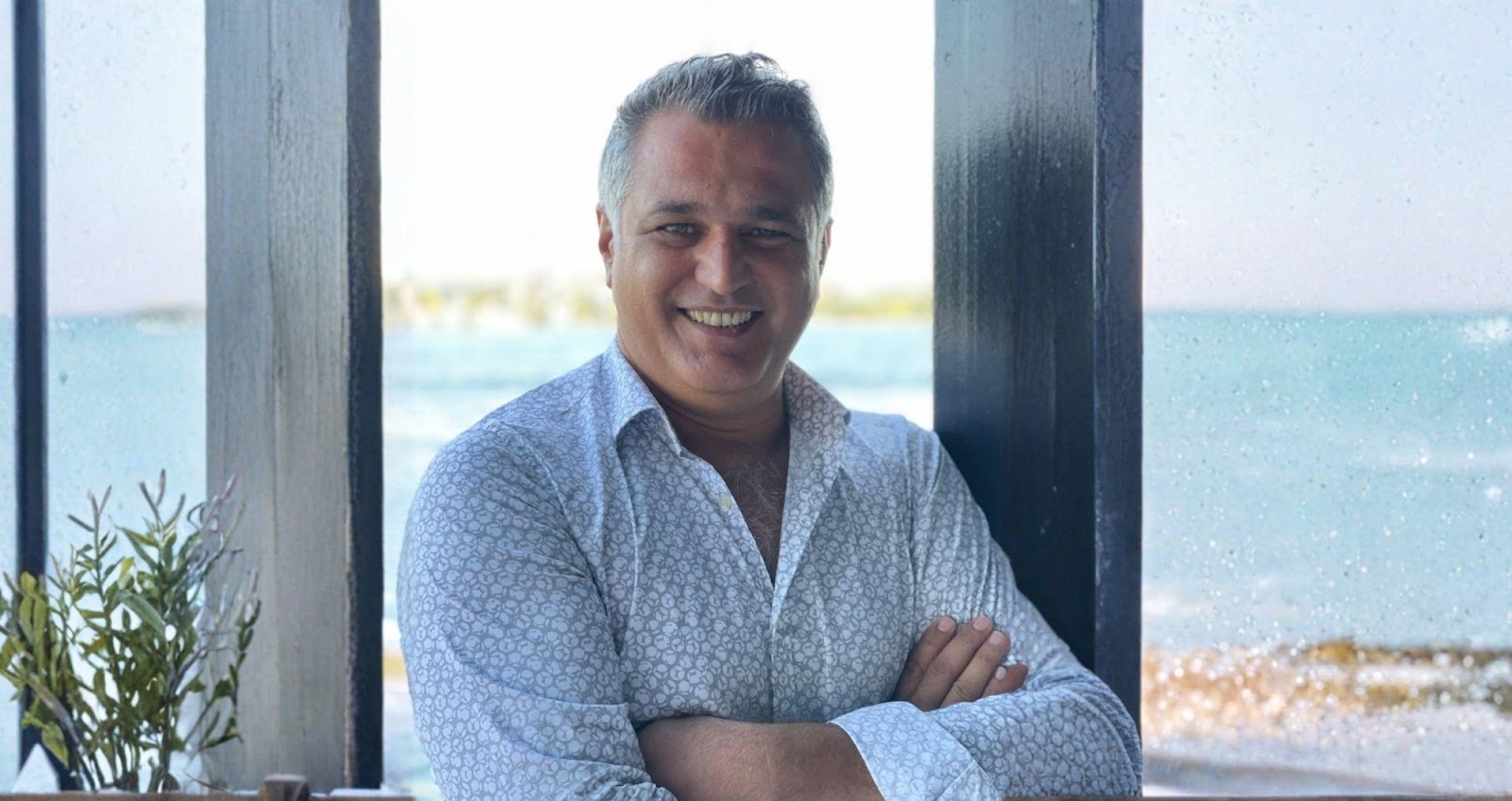
Many international patients consider dr.Volkan Arayici to be among the elite medical professionals in this field. As a highly experienced General Surgeon specialising in obesity and metabolic surgery, he operates out of the beautiful coastal city of izmir. With a distinguished medical background from Istanbul University and specialist training at Ege University, he brings over a decade of dedicated surgical experience to his practice.
Choosing the best gastric sleeve doctor in Turkey means selecting a surgeon who combines technical precision with a deeply holistic approach to patient care. Dr. Arayici understands the specific logistical and emotional needs of international patients. His clinic ensures that language barriers are eliminated, providing detailed nutritional guidance, regular blood test monitoring, and structured medication protocols to ensure your recovery is as smooth and successful as possible.
Your Next Steps Towards a Healthier Life
Bariatric surgery is a powerful tool, but it requires lifelong commitment to dietary changes, regular exercise, and medical monitoring. By understanding the complete timeline—from your initial consultation to managing potential skin changes and celebrating the remission of chronic diseases—you position yourself for an incredibly successful transformation.
If you are ready to take control of your health and explore your surgical options, the next step is to consult with a qualified, experienced bariatric specialist. With the right expert guidance, a supportive medical team, and a clear understanding of the journey ahead, a healthier, more active life is entirely within your reach.