




















![5 Best CFD Brokers for Beginners [UK, 2026]](https://todaynews.co.uk/wp-content/uploads/2026/03/Invest-360x180.jpg)











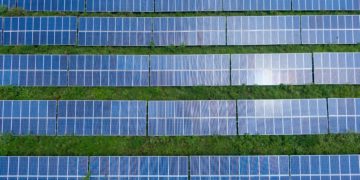

















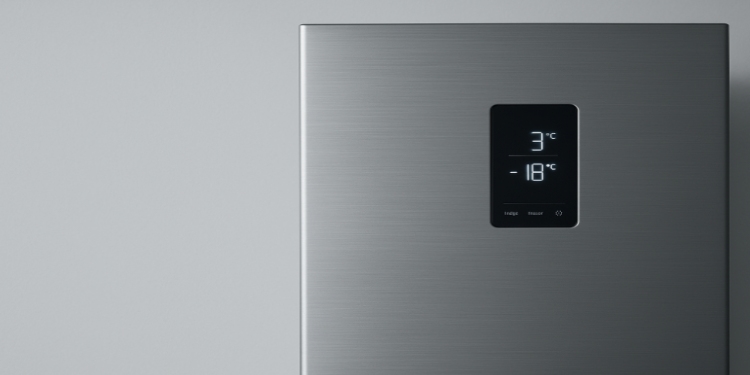
Advanced refrigeration systems play a vital role in reducing business energy costs. By integrating modern technology, businesses can significantly enhance their energy efficiency and sustainability. Learn how these innovations are transforming the landscape of commercial refrigeration.
In today’s business environment, energy efficiency is a key factor that impacts financial performance. Refrigeration systems often represent a substantial portion of a company’s energy consumption, making them a focal point for improvement. As you consider the potential of advanced refrigeration solutions, you’ll find that innovations such as smart controls and eco-friendly refrigerants are leading the way in reducing energy usage and costs. Companies like J & M Refrigeration demonstrate how modern advancements can transform traditional business practices into more sustainable operations.

Understanding refrigeration’s impact on energy costs
Refrigeration systems are essential across various industries, from food and beverage to pharmaceuticals, where maintaining precise temperatures is critical. However, these systems are known for their high energy consumption. In many businesses, they can account for a significant portion of the total electricity usage. This substantial demand not only increases utility bills but also raises operational expenses, affecting overall profitability.
The financial implications of excessive energy consumption extend beyond just higher bills. Businesses face increased pressure to meet environmental regulations and sustainability goals, which necessitates investing in more efficient technologies. By reducing energy consumption through advanced refrigeration systems, companies can alleviate some of these financial burdens while contributing to broader sustainability efforts.
Beyond the direct financial costs, inefficient refrigeration systems can also lead to product spoilage and quality issues, resulting in additional losses. When refrigeration units struggle to maintain consistent temperatures due to outdated technology or poor maintenance, businesses risk compromising their inventory. This is particularly critical in sectors where temperature-sensitive products must meet strict regulatory standards. By understanding the full scope of refrigeration’s impact on operational costs, business owners can make more informed decisions about upgrading their systems and implementing preventive maintenance strategies that protect both their bottom line and product integrity.
Exploring technological advancements in refrigeration
Recent years have seen significant advancements in refrigeration technology, offering promising solutions for energy efficiency. Innovations such as variable speed compressors and smart controls allow businesses to optimise their refrigeration systems based on real-time data and usage patterns. These features not only enhance performance but also minimise unnecessary energy usage by adjusting cooling levels as needed.
Another notable development is the introduction of eco-friendly refrigerants that reduce environmental impact. Traditional refrigerants have been linked to ozone depletion and global warming, prompting a shift towards greener alternatives. These new refrigerants offer similar cooling capabilities while significantly lowering harmful emissions, aligning with global environmental standards.
The benefits of adopting energy-efficient systems
Investing in advanced refrigeration systems provides numerous benefits beyond just cost savings. Energy-efficient solutions can lead to substantial reductions in utility bills, freeing up resources for other critical business areas. These systems also offer improved reliability, reducing downtime and maintenance costs associated with older technologies.
Moreover, by adopting eco-friendly refrigerants and efficient designs, businesses can reduce their carbon footprint and contribute positively to environmental conservation efforts. This shift not only supports corporate social responsibility goals but also enhances brand reputation among increasingly environmentally conscious consumers.
Implementing effective energy-efficient solutions in your business
For businesses considering a transition to more efficient refrigeration systems, understanding specific needs and operational requirements is crucial. Evaluating current energy usage patterns can guide decisions on which technologies will provide the most significant benefits. Consulting with experts in the field can ensure that selected systems align with both budgetary constraints and sustainability targets.
When implementing these solutions, consider long-term savings over initial costs. Although advanced systems may require a higher upfront investment, the reduction in energy expenses and maintenance costs often justifies this expenditure over time. Embracing these changes not only positions your business as a leader in sustainability but also enhances operational efficiency and competitiveness in a demanding market.

David Prior
David Prior is the editor of Today News, responsible for the overall editorial strategy. He is an NCTJ-qualified journalist with over 20 years’ experience, and is also editor of the award-winning hyperlocal news title Altrincham Today. His LinkedIn profile is here.