



















![5 Best CFD Brokers for Beginners [UK, 2026]](https://todaynews.co.uk/wp-content/uploads/2026/03/Invest-360x180.jpg)























The modern workspace is shifting towards flexibility and adaptability. Innovative design solutions are essential in accommodating diverse work styles. Movable walls are leading this evolution by offering dynamic environments.
In today’s office landscape, flexibility in workspace design has become increasingly important. Businesses are striving to create environments that support both collaboration and individual focus, making adaptable solutions more popular. Avant Movable Walls play a significant role in this transformation by providing the versatility needed in modern offices. Understanding these trends is crucial for businesses looking to stay competitive and foster productive workspaces.
The demand for adaptable workspaces is growing
As you navigate the contemporary workplace, you’ll notice a significant shift toward flexibility. This change is driven by the need to accommodate various working styles and preferences. Technological advancements have made it possible to design spaces that can be reconfigured quickly, which is why adaptable environments are now more sought after than ever before. In many offices, open-plan designs are being complemented by private zones, allowing employees to switch between collaborative and individual tasks seamlessly.
Changing work cultures also contribute to this trend. The rise of remote work and hybrid models has prompted organisations to rethink how they use office space. Instead of fixed layouts, companies are embracing designs that can evolve with their needs. Flexible spaces support a range of activities, from meetings to focused work sessions, enhancing overall productivity and satisfaction. This adaptability not only optimises space usage but also reflects a company’s commitment to employee well-being.
Movable walls are changing office environments
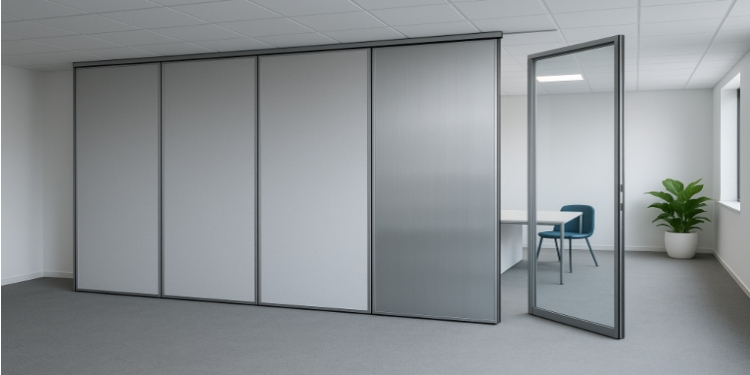
Movable walls have emerged as a game-changer in creating dynamic office spaces. These walls allow you to transform a room’s layout with ease, promoting versatility and efficiency. One of the key benefits is space optimisation; by adjusting the configuration as needed, you can maximise available space without permanent alterations. This flexibility supports both large gatherings and smaller breakout sessions, catering to diverse organisational needs.
Additionally, movable walls offer enhanced privacy when required, without sacrificing openness when collaboration is the goal. This feature is particularly beneficial in open-plan offices where noise levels and distractions can be a concern. By using movable partitions, you can create quiet zones for focused work while maintaining an open atmosphere conducive to teamwork. These solutions provide a balance between privacy and accessibility, crucial for modern workplaces.
Examples of successful flexible design implementations
Industries across the board are experiencing the advantages of flexible workspace designs. In tech companies, for instance, innovative layouts foster creativity and rapid problem-solving by providing environments that adapt quickly to project requirements. Financial institutions also benefit by facilitating both private consultations and collaborative discussions through adaptable spaces.
The impact on productivity and employee satisfaction is noteworthy. By integrating flexible design solutions like movable walls, organisations report improved morale and engagement among staff. Employees appreciate the ability to tailor their environment according to their tasks, leading to increased efficiency and job satisfaction. This approach not only enhances workplace culture but also attracts top talent seeking dynamic work settings.
Future developments in workspace design trends
Looking ahead, several trends are set to influence the evolution of workspace design. Sustainability is becoming a core consideration, with eco-friendly materials and energy-efficient solutions gaining prominence. Companies are exploring how these aspects can be integrated into flexible designs to reduce their environmental footprint while maintaining functional and attractive spaces.
Technology continues to play a pivotal role in shaping future offices. Smart systems that allow for real-time space adjustments and resource management are becoming more common. As these technologies advance, you can expect workspaces to become even more responsive to the needs of their users. By prioritising flexibility and sustainability, businesses will create environments that support innovation and growth.

David Prior
David Prior is the editor of Today News, responsible for the overall editorial strategy. He is an NCTJ-qualified journalist with over 20 years’ experience, and is also editor of the award-winning hyperlocal news title Altrincham Today. His LinkedIn profile is here.