![Best ReactJS Companies in Poland for Scale-Ups [2026 Review]](https://todaynews.co.uk/wp-content/uploads/2026/04/Man-Data-Coding-360x180.jpg)




















![5 Best CFD Brokers for Beginners [UK, 2026]](https://todaynews.co.uk/wp-content/uploads/2026/03/Invest-360x180.jpg)














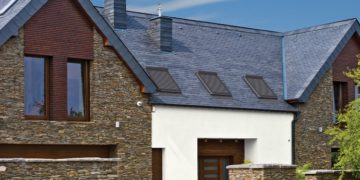










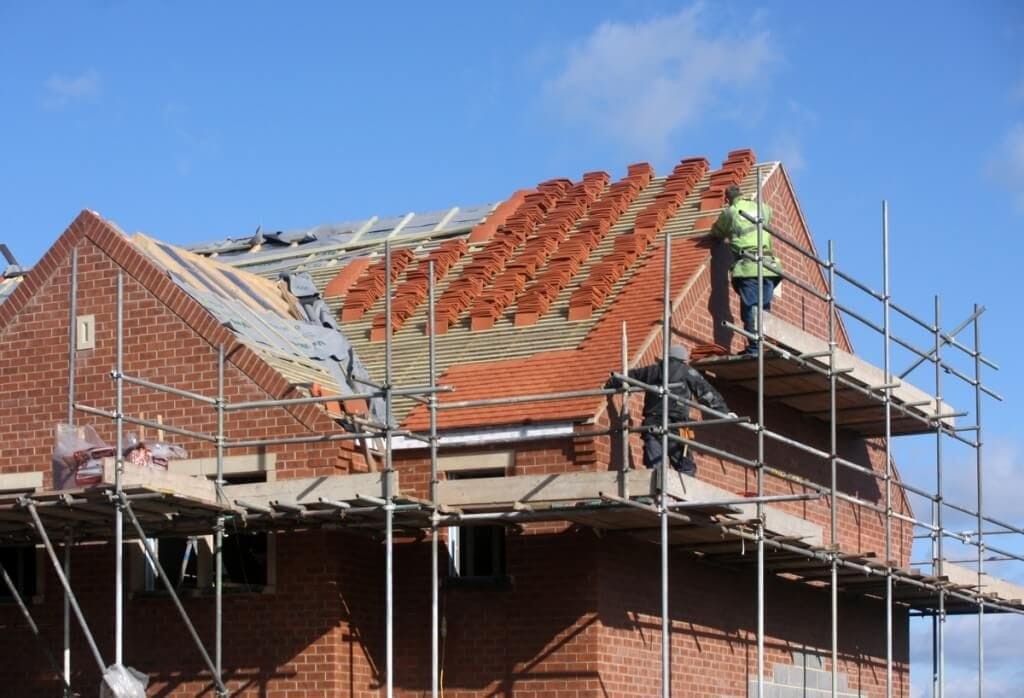
Roof systems are designed to provide long-term protection, but no material lasts forever. Over time, exposure to weather, temperature changes, and normal wear gradually reduces performance. Homeowners often face a difficult decision when issues become more frequent: continue repairing isolated problems or consider a full replacement. Understanding when replacement becomes the more practical option helps protect the home and avoid ongoing disruption.
Many homeowners delay replacement because repairs appear to solve immediate concerns. While this approach can work in early stages of deterioration, it becomes less effective as systems age. Repeated fixes may address symptoms without resolving underlying decline. At a certain point, replacement offers greater stability, predictability, and long-term value than continued patchwork.

Homeowners who evaluate their options with guidance from Kutsch Roofing often find that Roofing replacement becomes the most practical solution when aging systems can no longer provide consistent protection or reliability.
Understanding how roofs age over time
Roof systems age gradually, not suddenly. Materials lose flexibility, fasteners loosen, and protective layers wear down.
This slow decline often goes unnoticed until visible issues appear. Recognizing age related patterns helps homeowners assess whether repairs are still effective.
Aging changes performance expectations.
Recognizing signs that repairs are losing effectiveness
Frequent leaks, recurring damage in the same areas, and growing repair costs often indicate deeper system issues.
When repairs no longer restore reliable performance, they become temporary solutions. These patterns signal that replacement may be the better option.
Repetition suggests structural decline.
Evaluating cumulative repair costs
Individual repairs may seem affordable, but costs add up over time. Multiple service visits and material fixes increase total spending.
Comparing cumulative repair expenses to replacement value provides clarity. Long-term cost efficiency often favors replacement.
Total cost matters more than short-term savings.
Understanding material lifespan limitations
Every roofing material has a defined lifespan. Once that threshold is reached, performance declines regardless of maintenance.
Replacing materials at the end of their lifespan restores full protective capacity. Pushing beyond limits increases risk.
Lifespan guides decision making.
Addressing widespread wear versus isolated damage
Isolated damage can often be repaired effectively. Widespread wear across multiple areas suggests systemic decline.
When deterioration affects large sections, replacement becomes more practical than repeated localized fixes.
Scope influences solution choice.
Managing recurring water intrusion risks
Persistent moisture intrusion threatens structural components, insulation, and interior finishes.
Replacement eliminates weak points that allow water entry. Restoring a complete barrier reduces long-term damage risk.
Water control protects structure.
Supporting consistent structural protection
Roof systems distribute loads and protect framing. Aging materials compromise this balance.
Replacement restores uniform strength and stability. Consistent protection supports overall structural integrity.
Balance improves durability.
Preparing for severe weather exposure
Older roofs are more vulnerable to storms. Wind, hail, and heavy rain expose existing weaknesses.
Replacing the system improves resilience. Prepared roofs handle severe weather with less risk of failure.
Preparation improves resilience.
Reducing maintenance uncertainty
Aging systems create uncertainty around future performance. Homeowners may worry about unexpected failures.
Replacement restores predictability. Knowing the system is new reduces ongoing concern.
Predictability improves peace of mind.
Improving energy efficiency potential
Older roof systems may contribute to heat loss or gain. Repairs rarely address efficiency limitations fully.
Replacement allows integration of updated materials and techniques. Improved efficiency supports comfort and cost control.
Efficiency supports long-term performance.
Protecting interior systems and finishes
Roof failures often affect ceilings, walls, and electrical systems. Damage spreads quickly once water enters.
Replacement reduces exposure risk. Protecting the roof protects interior investments.
Exterior protection safeguards interiors.
Supporting long-term home ownership goals
Homeowners planning to remain long term benefit from durable solutions. Constant repairs disrupt stability.
Roof replacement in Stromsburg helps align with long-term planning. One comprehensive project replaces years of recurring disruption.
Long-term thinking improves outcomes.
Understanding the role of Roofing replacement in stability
Roofing replacement restores full system integrity rather than addressing individual flaws.
Understanding this role helps homeowners choose lasting solutions over temporary relief.
System renewal restores reliability.
The importance of professional evaluation
Determining when replacement is necessary requires experience. Surface issues may hide deeper deterioration.
Midway through evaluation, Kutsch Roofing provides professional insight to determine when Roofing replacement is more practical than continued repairs.
Expert guidance prevents costly delays.
Supporting inspection and resale readiness
Aging roofs raise concerns during inspections. Buyers may anticipate future costs.
Replacement improves inspection outcomes. Updated systems strengthen buyer confidence and property value.
Condition influences perception.
Reducing emergency repair situations
Emergency repairs often occur when aging systems fail unexpectedly.
Replacement lowers emergency risk by addressing vulnerabilities proactively. Planned work replaces reactive responses.
Prevention reduces disruption.
Improving daily comfort and confidence
Concerns about roof condition create ongoing stress. Homeowners may worry during every storm.
Replacement restores confidence. Secure systems support comfortable, worry free living.
Confidence improves quality of life.
Aligning exterior systems for coordinated performance
Roof performance affects siding, gutters, and foundations. Replacement allows coordinated system alignment.
Integrated performance reduces water and structural risks.
Systems work best together.
Limiting long-term structural exposure
Prolonged exposure to moisture weakens framing and support systems.
Replacement restores protection before damage spreads. Limiting exposure preserves structural strength.
Early action protects integrity.
Supporting safer living environments
Structural deterioration can lead to mold growth and weakened materials.
Replacing the roof improves safety by restoring protective barriers.
Safety depends on stability.
Enhancing long-term maintenance planning
New systems simplify maintenance schedules. Predictable care replaces constant monitoring.
Replacement provides a clear starting point for long-term planning.
Clarity improves management.
Reducing cumulative stress and disruption
Repeated repairs disrupt routines and create uncertainty.
Replacement resolves ongoing issues in a single project. Reduced disruption supports stability.
Stability improves satisfaction.
Long-term financial advantages of replacement
While replacement requires upfront investment, it often reduces long-term spending.
Fewer repairs and lower damage risk improve financial outcomes over time.
Investment delivers value.
Building resilience for future decades
A new roof prepares the home for years of exposure and change.
Resilient systems outperform aging structures under stress.
Resilience supports longevity.
Making the transition from repair to replacement
Recognizing the right moment to replace avoids wasted effort and expense.
Informed decisions support smoother transitions and better outcomes.
Timing matters.
Choosing lasting protection through full system renewal
At a certain point, repairs no longer provide reliable protection.
With guidance from Kutsch Roofing, homeowners can rely on Roofing replacement when full renewal becomes the most practical long-term solution. Thoughtful replacement restores protection, reduces risk, and supports confident home ownership for many years to come.