

















![5 Best CFD Brokers for Beginners [UK, 2026]](https://todaynews.co.uk/wp-content/uploads/2026/03/Invest-360x180.jpg)






























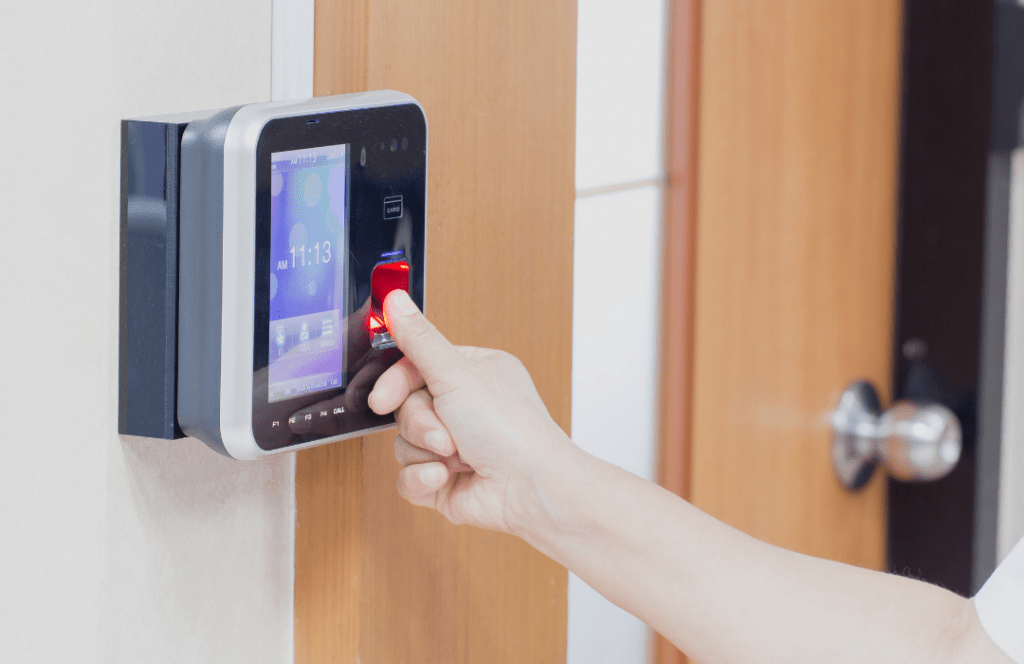
Hybrid working was meant to make life easier. More flexibility, happier teams, better productivity. But if you’re responsible for security in a UK organisation, you’ve probably discovered the other side of the story. Nowadays, employees log in from home, contractors pop in and out and systems are spread across cloud platforms and on-site servers. It’s a lot to keep track of and when security tools don’t talk to each other, cracks may start to show. Fortunately, a unified Biometric system is quickly becoming a practical answer to such problems. Here’s why organisations should turn to it.
One Identity Across Physical and Digital Spaces
In a hybrid environment, people don’t stay in one place. One day they’re in the office, the next they’re remote, the next they’re accessing systems from a different location entirely. Yet many organisations still manage identity as if work happens in neat, predictable boxes.


A unified biometric approach changes that. Instead of separating physical access from digital access, it creates one consistent identity. The person who enters the building in the morning is the same verified individual logging into systems, applications, or cloud platforms later that day.
This is particularly important when it comes to Access control. Traditionally, doors, networks, and software platforms are protected by separate tools, creating blind spots. A unified biometric system brings everything under one umbrella, giving you a clearer picture of who has access, where, and why. This promotes visibility.
There’s also a usability benefit that shouldn’t be overlooked. People don’t enjoy juggling keycards, passwords, PINs, and authentication apps. Biometrics reduce friction. You verify once, and the system recognises you everywhere you’re authorised to be. Less frustration for employees, fewer support tickets for IT, and far fewer opportunities for mistakes.
Stronger Authentication for a Dispersed Workforce
To be honest, passwords were already struggling before hybrid work became widespread. Remote access has only exposed their weaknesses further. Phishing attacks, reused credentials, weak combinations have all become more threats when staff are working outside controlled environments.
Biometric authentication tackles this problem at its root. Instead of relying on something you remember, security relies on who you are. A fingerprint or facial scan can’t be casually shared, forgotten, or intercepted in the same way a password can. Also, with unified biometrics, the same authentication standard applies whether someone is logging in from their kitchen table or accessing sensitive systems on-site.
Clearer Compliance and Better Accountability
Compliance requirements in the UK aren’t getting any lighter. Whether it’s GDPR or industry-specific regulations, organisations are expected to know exactly who accessed sensitive data and when. Hybrid environments make that harder to prove, especially when credentials are shared or poorly managed.
Unified biometric systems provide clarity. Access events are tied directly to real individuals, not generic accounts or shared logins. If there’s an audit, you can demonstrate exactly who interacted with which systems. Such level of accountability can be hard to achieve with traditional authentication methods. When something goes wrong, and eventually, something always does, you want facts, not assumptions. Biometrics give you that certainty. They turn access records into reliable evidence.
There’s also a trust element here. With these systems in place, employees will feel reassured knowing access is handled fairly and securely. Clients and partners will also gain confidence that sensitive information is properly protected. Over time, this trust can strengthen your organisation’s credibility.
Final Thoughts
Hybrid working has reshaped how organisations operate, and security has had to evolve alongside it. Trying to protect modern environments with fragmented tools and outdated methods only creates more risk and more stress.
Unified biometric systems offer a realistic way forward. They align identity across physical and digital spaces, strengthen authentication, support compliance, and scale as your organisation grows. When security becomes seamless, everything feels more under control. Invest in biometric systems today and obtain the clarity your organization needs.